
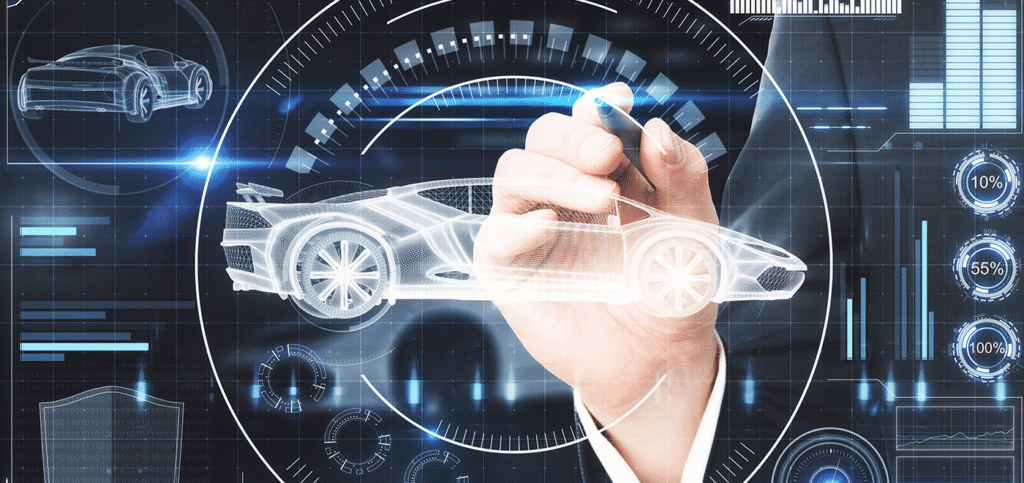
The automotive industry in 2025 is undergoing one of the biggest transformations in its history. Rapid technological advancements, changing consumer preferences, strict environmental regulations, and the rise of electric and autonomous vehicles are reshaping how cars are designed, manufactured, and used. Whether you are a car enthusiast, buyer, or industry professional, this guide covers everything you need to know about the automotive world in 2025.
Overview of the Automotive Industry in 2025
In 2025, the automotive industry is no longer just about manufacturing vehicles. It has evolved into a technology-driven ecosystem that integrates artificial intelligence (AI), software, sustainability, and digital services. Automakers are focusing on cleaner mobility, smarter vehicles, and enhanced user experiences.
Key drivers shaping the industry include:
- Growing demand for electric vehicles (EVs)
- Advancements in AI and automation
- Strong focus on sustainability and emission reduction
- Connected and software-defined vehicles
- Shifts in ownership models and mobility services
Electric Vehicles (EVs) Leading the Market
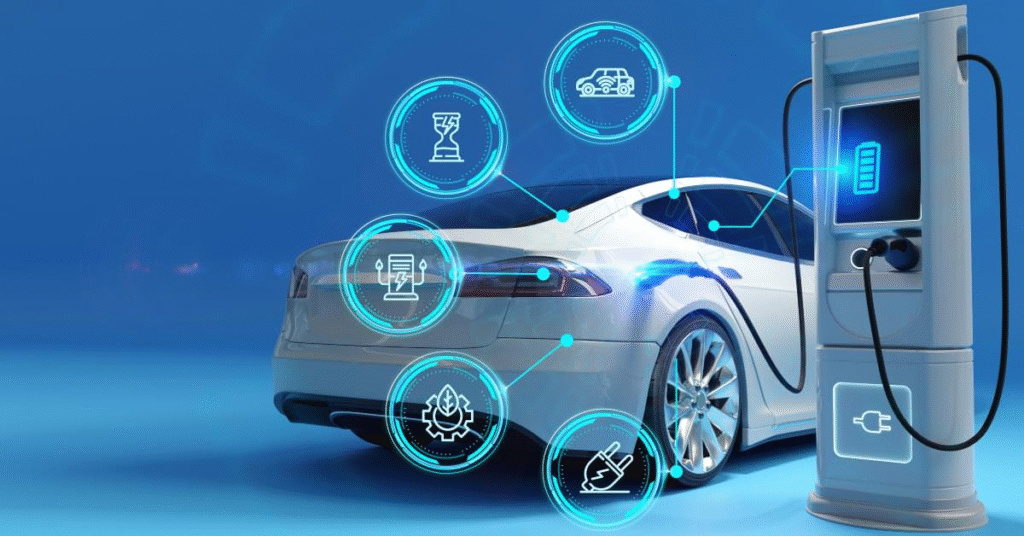
Electric vehicles are at the center of the automotive revolution in 2025. Governments worldwide are encouraging EV adoption through subsidies, tax benefits, and charging infrastructure development.
Why EVs Are Dominating in 2025
- Lower running and maintenance costs
- Zero tailpipe emissions
- Improved battery range and faster charging
- Growing availability of charging stations
- Competitive pricing compared to petrol and diesel cars
Manufacturers are also investing heavily in solid-state batteries, which promise longer range, quicker charging, and improved safety.
Hybrid Vehicles Still Play a Key Role
While fully electric cars are growing rapidly, hybrid vehicles remain popular in 2025, especially in regions where charging infrastructure is still developing. Hybrids offer a balance between fuel efficiency and convenience, making them an attractive option for many buyers.
Autonomous and Self-Driving Technology
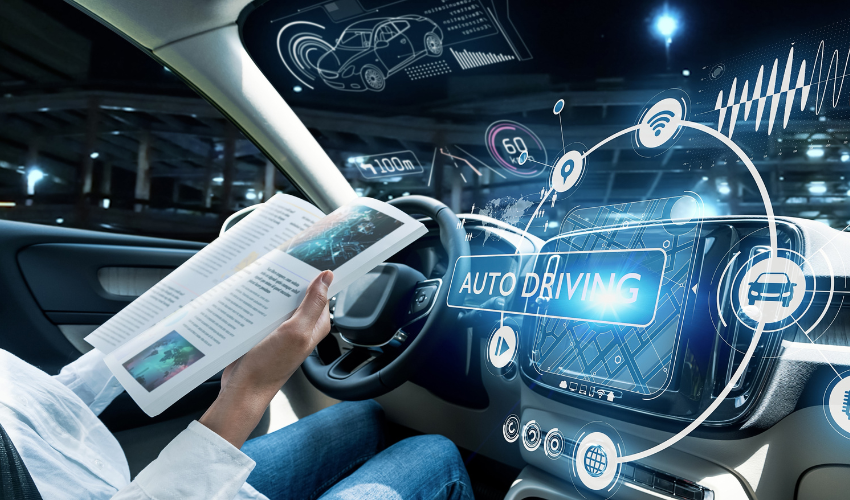
Self-driving technology has made significant progress in 2025. Although fully autonomous vehicles are not yet mainstream, advanced driver-assistance systems (ADAS) are now common across many vehicle segments.
Popular ADAS Features in 2025
- Adaptive cruise control
- Lane-keeping assist
- Automatic emergency braking
- Blind-spot monitoring
- Traffic jam assist
These features improve safety and reduce driver fatigue, bringing the industry closer to full automation.
Connected Cars and Smart Technology
Vehicles in 2025 are smarter than ever. Connected cars use internet connectivity to offer real-time updates, navigation, entertainment, and remote diagnostics.
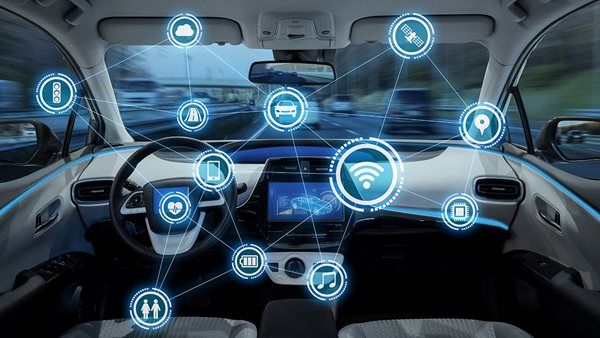
Key Connected Car Features
- Over-the-air (OTA) software updates
- Voice-controlled assistants
- Smartphone integration
- Real-time traffic and weather alerts
- Remote vehicle monitoring through mobile apps
Cars are now becoming software-defined products, where features can be upgraded digitally even after purchase.
Sustainability and Eco-Friendly Manufacturing
Sustainability is a major focus for the automotive industry in 2025. Automakers are adopting greener manufacturing practices and using recycled and bio-based materials in vehicle interiors.
Sustainable Practices Include
- Carbon-neutral factories
- Lightweight materials for better efficiency
- Recycling of batteries and vehicle components
- Reduced water and energy consumption
Environmental responsibility is now a key factor influencing consumer buying decisions.
Automotive Industry Trends in India (2025)
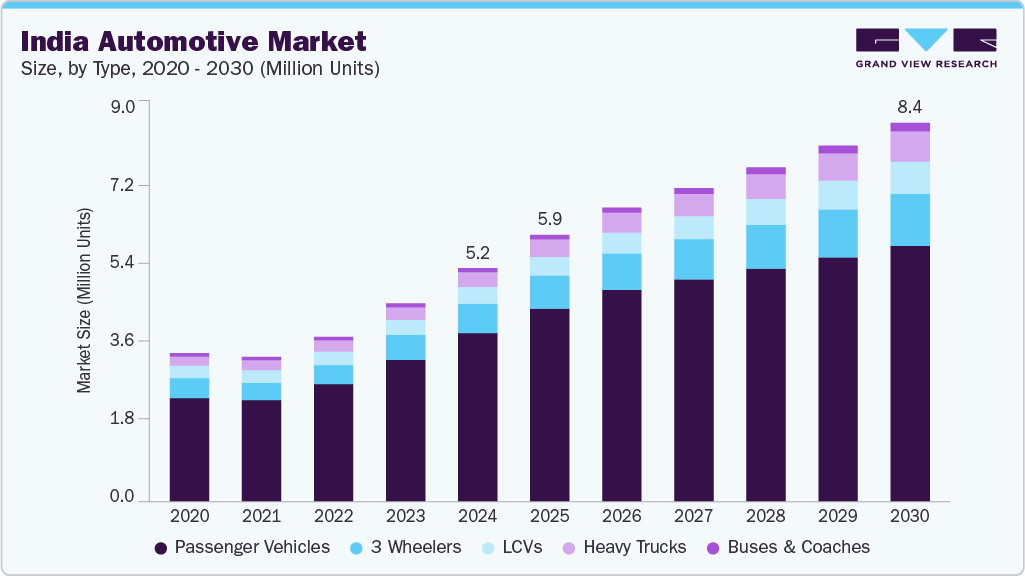
In India, the automotive industry is growing rapidly with strong government support for electric mobility. Affordable EVs, improved charging infrastructure, and rising fuel prices are driving demand.
Key Indian Automotive Trends
- Growth of budget electric cars and scooters
- Increased focus on safety ratings
- Compact SUVs dominating the market
- Local manufacturing and Make in India initiatives
- Expansion of EV charging networks in cities and highways
India is emerging as a global automotive manufacturing and innovation hub.
Changes in Car Buying and Ownership
Car buying behavior has evolved in 2025. Customers are more informed and prefer digital-first experiences.
New Ownership Trends
- Online car purchases and virtual showrooms
- Subscription-based car ownership
- Short-term leasing options
- Increased demand for used and certified pre-owned vehicles
Flexibility and affordability are now more important than traditional ownership.
Impact of Artificial Intelligence (AI) in Automobiles
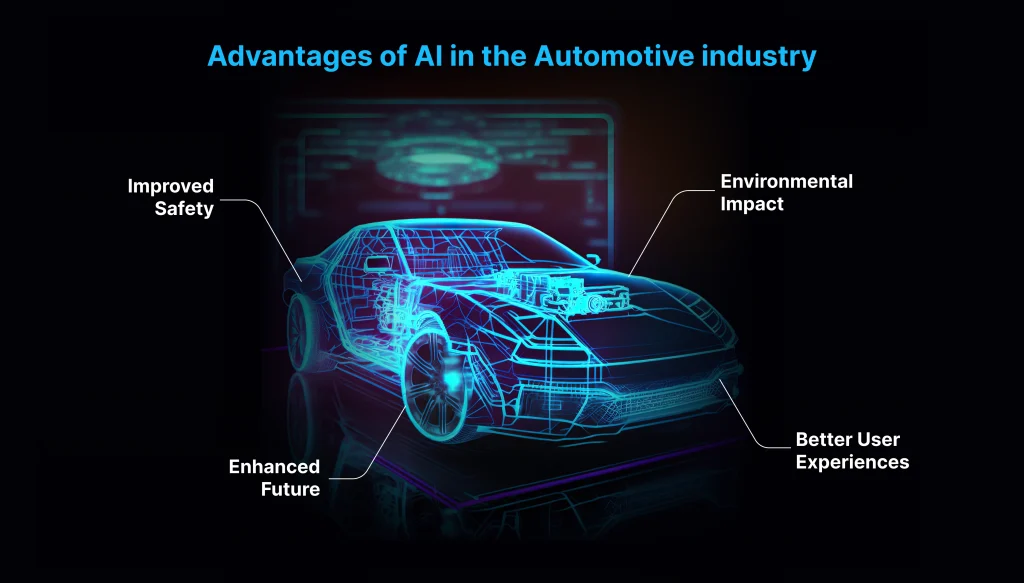
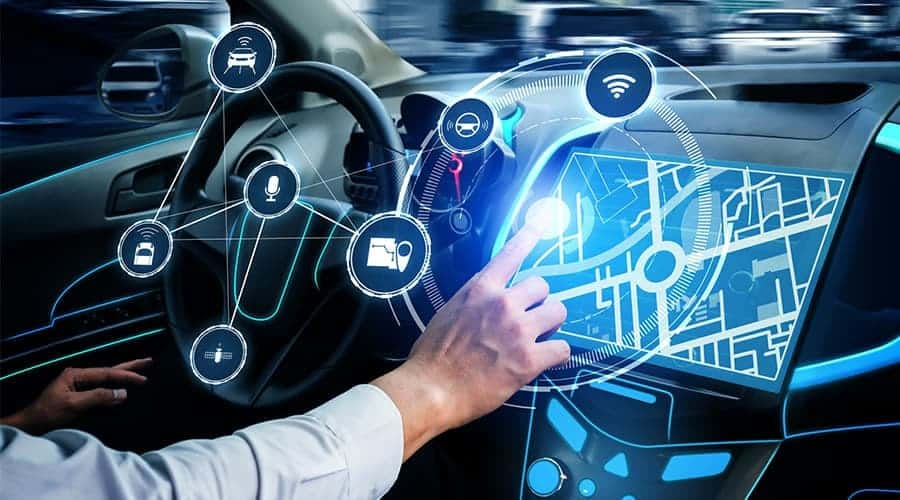
AI is playing a crucial role in transforming the automotive industry in 2025.
AI Applications in Automobiles
- Predictive maintenance
- Smart navigation and route planning
- Driver behavior analysis
- Voice recognition and personalization
- Manufacturing quality control
AI is improving safety, efficiency, and overall driving experience.
Challenges Facing the Automotive Industry
Despite growth, the industry also faces several challenges:
- High costs of EV batteries
- Supply chain disruptions
- Charging infrastructure gaps
- Cybersecurity risks in connected vehicles
- Skilled workforce shortages
Manufacturers are continuously innovating to overcome these challenges.
Future Outlook of the Automotive Industry
The future of the automotive industry beyond 2025 looks promising. The shift toward electric, connected, and autonomous vehicles will continue to accelerate. Collaboration between technology companies and automakers will drive innovation and create smarter mobility solutions.
Conclusion
The automotive industry in 2025 is dynamic, technology-driven, and sustainability-focused. From electric vehicles and AI-powered systems to connected cars and new ownership models, the industry is redefining mobility. Staying informed about these trends will help consumers and businesses make smarter decisions in this rapidly evolving automotive landscape.
The information provided in this article, “Everything You Need to Know About the Automotive Industry in 2025,” is intended for general informational and educational purposes only. While we strive to keep the content accurate and up to date, the automotive industry is constantly evolving, and specifications, regulations, technologies, and market conditions may change without notice.
This content does not constitute professional, legal, financial, or technical advice. Readers are advised to conduct their own research and consult with qualified professionals or authorized dealerships before making any automotive-related decisions, including vehicle purchases, modifications, or investments.
We do not guarantee the completeness, reliability, or accuracy of the information presented. Any actions you take based on the information in this blog are strictly at your own risk. The website and the author shall not be held liable for any losses, damages, or inconveniences arising from the use of this information.
#AutomotiveIndustry #Automotive2025 #CarTrends #FutureOfMobility #ElectricVehicles #EVTrends #HybridCars #ConnectedCars #SmartCars #AutonomousVehicles #CarTechnology #AutoNews #AutoInnovation #SustainableMobility #GreenVehicles #CarIndustry #VehicleTechnology #AutoTrends #CarLovers #MobilityFuture