
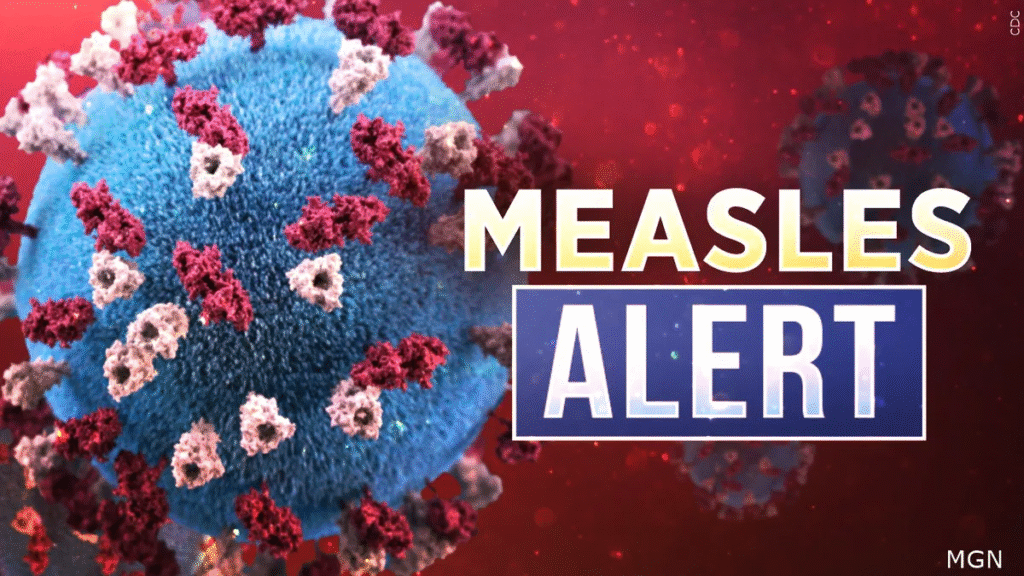
Measles has seen a significant resurgence in the early months of 2026, marking one of the most concerning public health trends of the year. As of early March 2026, health organizations are reporting a sharp rise in cases, driven by a combination of declining vaccination rates and increased international travel.
Here is a comprehensive breakdown of the current measles situation to help inform your blog content.
Current Status and Case Counts
The measles outbreak in 2026 has escalated rapidly within the first quarter of the year.
- Case Milestones: As of March 9, 2026, the United States has officially surpassed 1,280 confirmed cases for the year.
- Growth Rate: Recent reports from the CDC indicate that the count is climbing by over 100 cases per week in some reporting periods, showing a steep upward trajectory compared to previous years.
- Geographic Spread: Outbreaks are no longer isolated to a single region; they have hit multiple U.S. states simultaneously. Major clusters have been identified in urban centers and communities with lower-than-average vaccination coverage.
Why the 2026 Outbreak is Unique
While measles outbreaks occur periodically, several factors define the 2026 surge:
- Declining Herd Immunity: Public health officials emphasize that many communities have fallen below the critical 95% vaccination threshold required to maintain “herd immunity,” allowing the highly contagious virus to spread easily.
- International Travel: With global travel back to pre-pandemic levels, “imported” cases from regions with ongoing outbreaks are frequently sparking local transmissions in the U.S. and Europe.
- High Contagion Factor: Measles is one of the world’s most contagious diseases. The virus can linger in the air for up to two hours after an infected person has left a room, making it exceptionally difficult to contain in public spaces like airports and schools.
- Best Automotive Trends 2026: Cars, Technology & Future Mobility
 The automotive industry in 2026 is shifting faster than most… Read more: Best Automotive Trends 2026: Cars, Technology & Future Mobility
 - How to Get Clear Skin in 2026: Acne, Blemishes & Skincare Tips
 At times it can be challenging to understand what exactly… Read more: How to Get Clear Skin in 2026: Acne, Blemishes & Skincare Tips
 - Best Motorcycles of 2026: Performance, Mileage, Safety & Latest Features
 The 2026 season is a landmark year for motorcycling. From… Read more: Best Motorcycles of 2026: Performance, Mileage, Safety & Latest Features
Symptoms and Transmission
Measles is more than just a “bad rash.” It is a serious respiratory infection with a distinct progression:
- The Prodromal Phase: High fever, cough, runny nose (coryza), and red, watery eyes (conjunctivitis).
- Koplik Spots: Small white spots that may appear inside the mouth two to three days after symptoms begin.
- The Rash: A red, blotchy rash typically breaks out 3-5 days after symptoms begin, usually starting at the hairline and spreading downward to the rest of the body.
- Contagious Window: Individuals are contagious from roughly four days before the rash appears to four days after.
Key Statistics and Health Impact
| Category | Information |
|---|---|
| Transmission Rate | One infected person can spread it to up to 90% of unvaccinated people near them. |
| Hospitalization | Approximately 1 in 5 unvaccinated people who get measles in the U.S. are hospitalized. |
| Severe Complications | Can include pneumonia (the most common cause of death from measles in children) and encephalitis (brain swelling). |
| Vaccine Effectiveness | Two doses of the MMR vaccine are approximately 97% effective at preventing measles. |
Summary of Key Points
The 2026 measles outbreak is characterized by a rapid return to case numbers not seen in decades. The primary defense remains the MMR (Measles, Mumps, and Rubella) vaccine. Health departments are currently focusing on “catch-up” vaccination campaigns and rapid reporting to limit hospitalizations and fatalities. For your blog readers, the most critical takeaway is to verify their vaccination status, especially before international travel.