
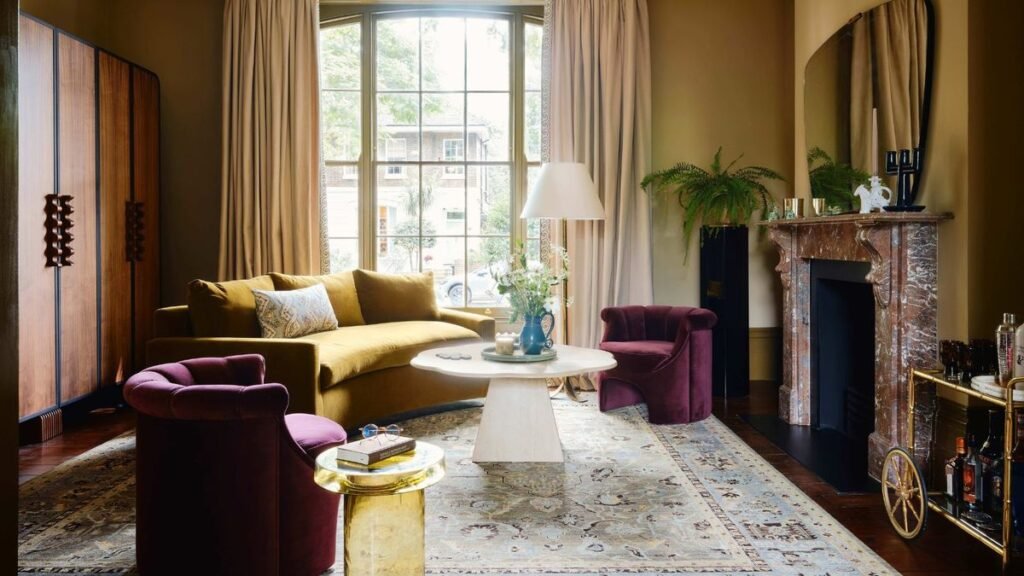
The Living Sanctuary: Rethinking Home and Space in 2026
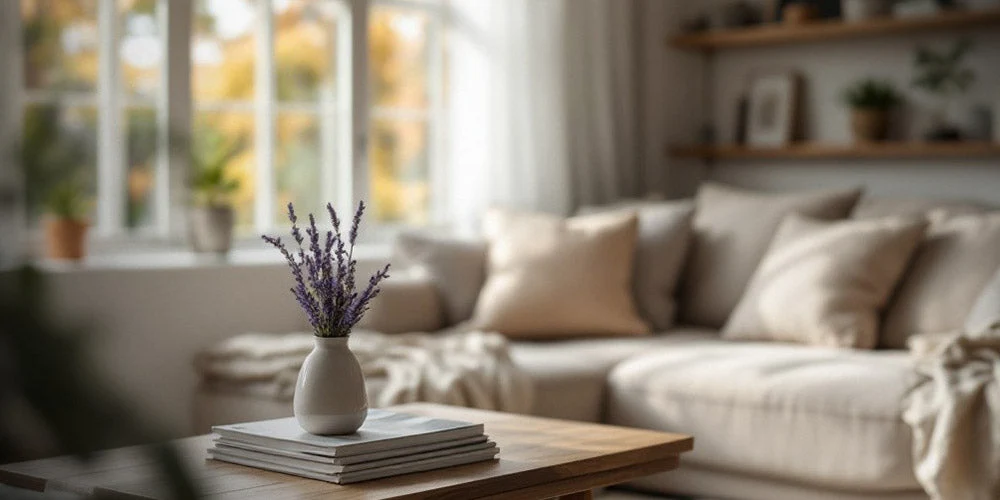
There’s a quiet, welcome shift happening inside our homes this year. Interior design in 2026 isn’t about chasing perfection or showing off for guests; it’s about creating an authentic haven. Instead of turning living rooms into pristine, untouchable showrooms, we’re shaping environments that hug us back after a long, chaotic day. Homes are becoming more grounded, resilient, and deeply expressive of the actual human lives unfolding within their walls.
For years, design trends pushed us toward ultra-stark minimalism, clinical cool-gray palettes, and matched furniture sets that looked like they belonged in a catalog. While a clutter-free room is always refreshing, those icy, sterile spaces often left us feeling disconnected. Today, we’re leaning into warmth, rich tactile contrast, gentle imperfections, and personal history. We’re finally giving ourselves permission to let our living spaces reflect who we really are—messy, creative, evolving human beings.
+-----------------------------------------------------------------------------------+
|                        THE EVOLUTION OF THE DOMESTIC SPACE                        |
+------------------------------------+----------------------------------------------+
| The Showroom Era (Past)            | The Living Sanctuary (2026)                   |
+------------------------------------+----------------------------------------------+
| * Cool grays & harsh stark whites  | * Warm terracottas, sage, & deep ochres      |
| * Rigid, hard-angled furniture     | * Soft curves, organic edges, & plush seating|
| * Identical catalog furniture sets | * Curated vintage mixed with modern pieces   |
| * Unforgiving, pristine surfaces   | * Tactile textures, raw stone, & visible wood|
+------------------------------------+----------------------------------------------+
The most liberating aspect of 2026 design is that there’s no single, rigid rulebook to follow. You don’t have to pledge allegiance to one specific aesthetic. Whether you thrive in a quiet, sunlit room with muted linens or feel most alive surrounded by floor-to-ceiling books, vintage rugs, and lush trailing pothos plants, the overarching theme remains the same: intentionally designing a space that serves your daily wellbeing.
Why the Meaning of “Home” Has Shifted
Our relationship with our four walls has changed dramatically. A house is no longer just a pit stop where we sleep, grab a quick breakfast, and drop off our bags. For many of us, it’s simultaneously an office, a sanctuary, a creative studio, a kitchen classroom, and the primary gathering place for our closest friends and family.
                       +---------------------------+
                       |   THE MODERN HOME HUB     |
                       +-------------+-------------+
                                     |
         +-----------------+---------+---------+-----------------+
         |                 |                   |                 |
  [ Work & Focus ]   [ Rest & Reset ]   [ Social Gathering ]   [ Creative Outlet ]
  Flexible desks,    Soft lighting,     Open kitchens,         Layered textures,
  quiet nooks        cozy textiles      generous seating       displayed art
Because our homes carry so much emotional and practical weight, our layouts need to be fluid. Furniture needs to feel welcoming, storage has to be clever, and rooms must seamlessly pivot from daytime focus to evening relaxation.
At the same time, we’re paying closer attention to how our surroundings affect our nervous systems. Natural morning light, grounding color palettes, breathable fabrics, thriving indoor foliage, and gentle acoustic cushions aren’t just decorative choices—they’re essential tools for mental clarity and daily ease.
Warm Minimalism: Simplicity with a Heart
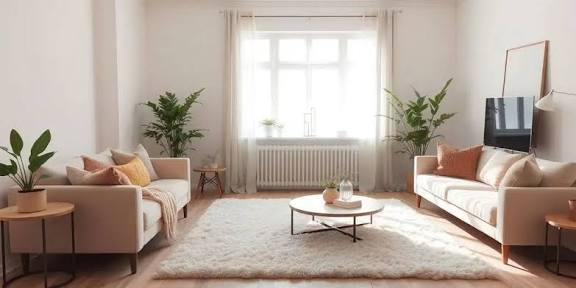
Minimalism hasn’t vanished, but it has shed its cold, unforgiving edge. In 2026, we’ve embraced warm minimalism—an approach that keeps rooms feeling spacious and breathable without stripping away soul or comfort.
Instead of stark white walls and glossy synthetic furniture, warm minimalism relies on organic textures and earthy tones. Think brushed plaster walls, raw oak dining tables, heavy linen drapes, and plush wool rugs. The visual clutter is cleared away, but what remains feels grounding and inviting.
       [ Cold Minimalism ]                       [ Warm Minimalism ]
  Stark White + Polished Steel     -->     Oatmeal Plaster + Raw Timber
  Unforgiving Hard Angles          -->     Gently Rounded Organic Curves
  Sparsely Furnished Vacuum        -->     Tactile, Intentionally Chosen Comfort
Key colors for this palette include:
- Warm Sand & Oatmeal: Creates a soothing base layer that catches sunlight softly.
- Muted Terracotta & Clay: Adds gentle warmth without overpowering small spaces.
- Sage & Moss Green: Connects indoor rooms to outdoor views.
- Deep Espresso Wood Tones: Anchors light-colored fabrics with weight and history.
The beauty of warm minimalism is its quiet restraint. It creates an uncluttered sanctuary where your mind can breathe, while ensuring every chair you sit in still feels like a warm embrace.
Nature at the Core: Biophilic Design
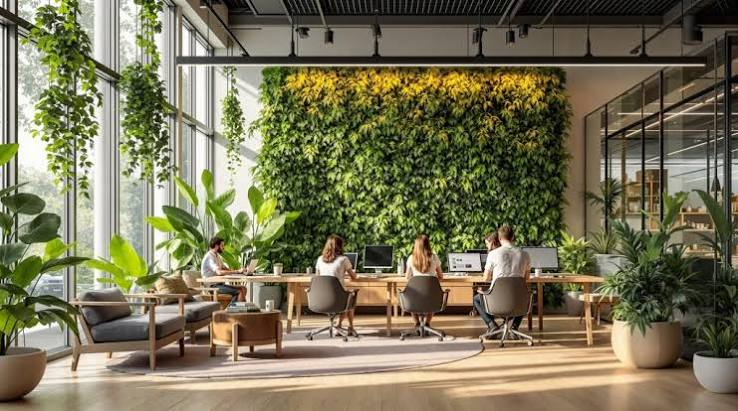
Our innate human need to connect with the living world is driving one of the strongest movements in modern design. Biophilic design goes far beyond placing a lonely succulent on a windowsill; it’s about weaving nature’s subtle rhythms into the structure of our homes.
                     +---------------------------------+
                     |   BIOPHILIC LIVING ELEMENTS     |
                     +----------------+----------------+
                                      |
      +-------------------+-----------+-----------+-------------------+
      |                   |                       |                   |
[ Natural Light ]    [ Living Foliage ]     [ Organic Materials ]   [ Earthy Textures ]
Unobstructed sun,    Trailing ivy,          Raw stone, timber,      Woven jute, linen,
soft sheer drapes    monsteras, ficus       bamboo, terracotta      hand-thrown clay
Bringing nature inside relies on several layered elements:
- Living Elements: Broad-leaf ficus trees, trailing golden pothos, and windowsill herb gardens don’t just brighten up corners—they clean the air and remind us of nature’s slow, steady growth.
- Tactile Organic Materials: Unpolished travertine stone, hand-carved timber, rattan, and slubby linen bring subtle, organic variations into a room that synthetic materials simply cannot replicate.
- Filtered Natural Light: Sheer cotton drapes soften harsh sunlight, casting warm, shifting shadows across the floor as the day progresses.
- Soft Curved Silhouettes: Arched doorways, round coffee tables, and fluid, asymmetrical mirrors echo the soft curves found in forests and riverbeds, softening the sharp boxiness of standard architecture.
When we surround ourselves with natural materials and greenery, our living spaces stop feeling like artificial boxes and start feeling like living sanctuaries.
The Vintage Renaissance: Character, Imperfection, and Storytelling
There’s a growing tiredness with mass-produced, flat-pack furniture that ends up in a landfill after three years. Today, homeowners are falling back in love with vintage furniture, architectural antiques, and secondhand treasures.
Design Truth: A room filled entirely with brand-new items often feels like a set. A home gains its true character from the contrast between a contemporary sofa and a weathered, hand-carved wooden cabinet that’s lived a hundred lives before entering your front door.
[ Sleek Contemporary Sofa ] + [ Weathered Antique Trunk ] = A Room with Soul & Story
Incorporating vintage pieces into your home offers distinct advantages:
- Unmatched Quality: Older furniture was often crafted from solid hardwoods with traditional joinery built to survive generations.
- Environmental Mindfulness: Rescuing an antique dresser or mid-century side chair reduces carbon emissions and keeps raw materials in circulation.
- One-of-a-Kind Personality: A scratched leather armchair or a worn brass lamp carries an authentic patina that simply cannot be manufactured in a modern factory.
Mixing eras creates a home that feels gathered over time rather than bought all at once during a weekend shopping trip.
Statement Lighting and Layered Ambiance
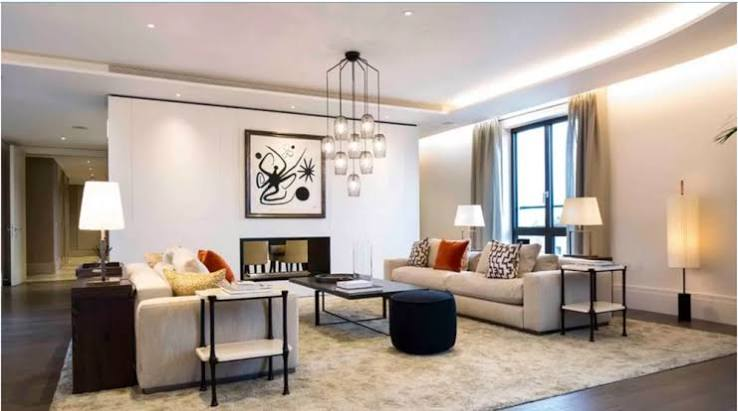
We are finally saying goodbye to harsh, buzzing overhead ceiling lights—often playfully called “the big light.” In 2026, lighting is treated as both a striking architectural sculpture during the day and a source of warm atmosphere at night.
                          [ OVERHEAD PENDANT ]
                         (Soft, ambient wash)
                                  |
            +---------------------+---------------------+
            |                                           |
    [ WALL SCONCE ]                             [ TABLE LAMP ]
 (Targeted warm glow)                        (Cozy reading pocket)
            |                                           |
            +---------------------+---------------------+
                                  |
                           [ FLOOR LAMP ]
                       (Pockets of warmth)
Instead of relying on a single light source, design now prioritizes layered lighting:
- Sculptural Pendants: Woven rattan, blown glass, or hand-shaped paper lanterns serve as breathtaking centerpieces over dining tables and kitchen islands.
- Low-Level Glows: Table lamps with warm fabric shades placed at eye level make living rooms feel instantly intimate when dusk falls.
- Task & Accent Lights: Adjustable brass sconces highlight artwork, illuminate reading nooks, or cast gentle pools of light across kitchen countertops.
Dimmer switches and warm-toned bulbs (around 2200K to 2700K) allow you to shift your home’s energy seamlessly as daytime productivity winds down into evening rest.
Color Drenching: Embracing Enveloping Tones
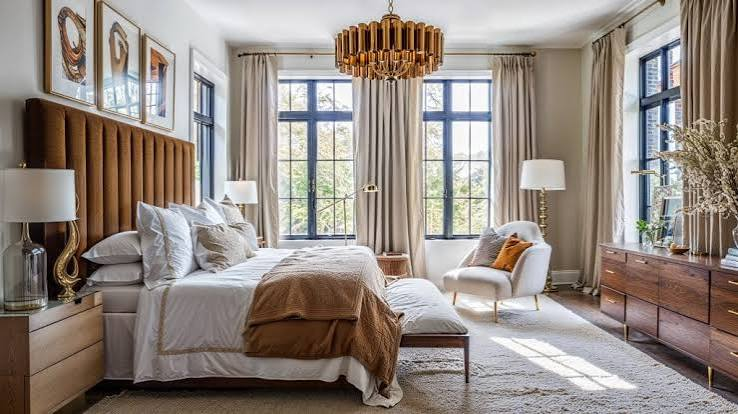
For those looking to step beyond neutral palettes, color drenching has emerged as one of the most comforting visual trends. This technique involves painting the walls, baseboards, door frames, and sometimes even the ceiling in the exact same color family—often in varying finishes like matte for walls and satin for trim.
+-----------------------------------------------------------------------------------+
|                           COLOR DRENCHING MOOD GUIDE                              |
+----------------------+----------------------------------+-------------------------+
| Color Family         | Room Feeling                     | Best Space Application  |
+----------------------+----------------------------------+-------------------------+
| Deep Sage & Olive    | Grounding, quiet, restorative    | Bedrooms & Home Offices |
| Rich Ochre & Clay    | Warm, sun-drenched, nostalgic    | Kitchens & Dining Nooks |
| Slate Blue & Navy    | Enveloping, contemplative, cool  | Libraries & Snugs       |
| Warm Taupe & Mocha   | Sophisticated, velvety, calm     | Living Rooms & Entryways|
+----------------------+----------------------------------+-------------------------+
Far from feeling overwhelming, enveloping a room in a single moody color blurs the sharp corners of the space, creating a cozy, cocoon-like atmosphere. It’s an ideal choice for smaller rooms, study nooks, or bedrooms where you want to foster deep relaxation.
Flexible, Multifunctional Living Spaces
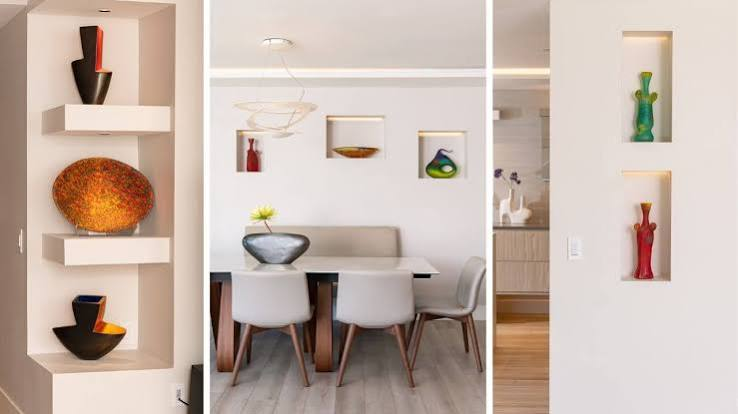
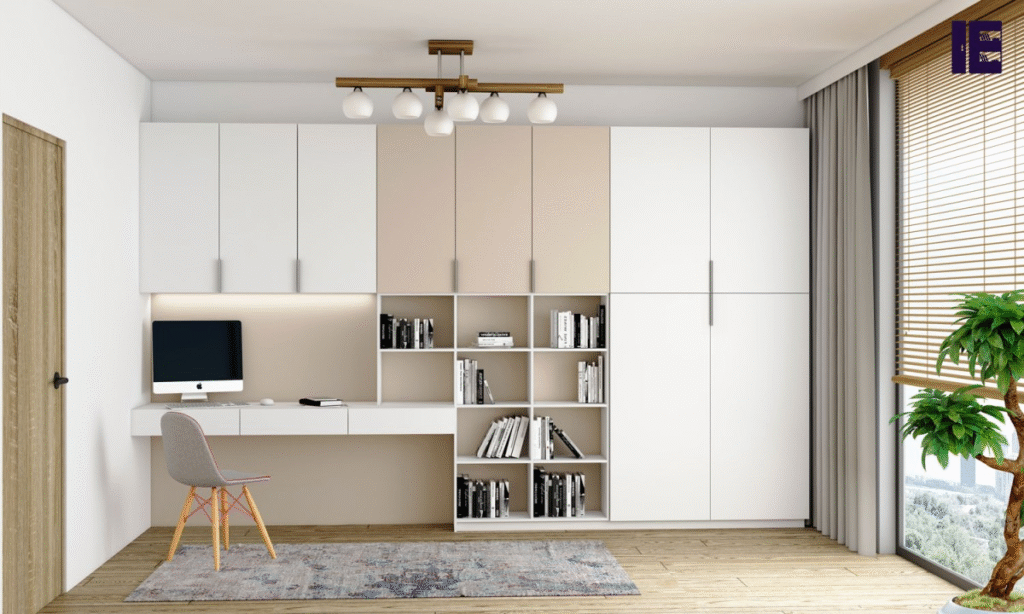
As living costs rise and urban floor plans shrink, our rooms are being called upon to do double duty. The challenge is making a space multifunctional without it feeling cramped or cluttered.
       [ MORNING ]                                    [ EVENING ]
┌─────────────────────────┐                  ┌─────────────────────────┐
│  Integrated Wall Desk   │                  │   Hidden Behind Doors   │
│           +             │  ------------->  │            +            │
│  Sunlit Dining Table    │                  │  Cozy Dinner Gathering  │
└─────────────────────────┘                  └─────────────────────────┘
Clever, adaptable design solutions make this balance possible:
- Fold-Away Workstations: Wall-mounted desks tucked behind cabinet doors let you pack your workday entirely out of sight when 5:00 PM arrives.
- Modular Seating: Low-slung sectional sofas that can be rearranged for family movie nights, solo lounging, or hosting group conversations.
- Storage-Rich Furniture: Ottoman benches with hidden compartments, bed frames with deep drawers, and drop-leaf dining tables that expand only when guests arrive.
- Textile Space Dividers: Heavy ceiling-mounted linen curtains or open wooden shelving units that define separate zones in open-plan apartments without blocking natural airflow or daylight.
The Social Kitchen: The Heart of the Everyday
Kitchens have evolved far beyond utilitarian zones meant solely for meal preparation. They have solidified their status as the social and emotional anchor of the home.
       [ Cooking Prep Zone ] ─── ( Marble / Quartz Counter )
                                        │
                                 [ Kitchen Island ]  ◄── The Social Hub
                                        │
       [ Gathering Seating ] ─── ( Warm Oak Bar Stools )
Modern kitchen design is softening industrial edges by introducing elements traditionally reserved for living rooms:
- Warm Wooden Cabinetry: Replacing glossy laminate with stained oak, walnut, or painted timber that shows natural grain.
- Open, Curated Shelving: Displaying hand-thrown ceramic mugs, cookbooks, and potted herbs alongside everyday glassware.
- Furniture-Inspired Islands: Kitchen islands featuring turned wooden legs, open bottom shelves, and comfortable upholstered barstools that invite family members to sit, chat, or do homework while dinner simmers.
- Ambient Kitchen Lighting: Small, low-wattage lamps resting directly on marble countertops to illuminate quiet late-night trips for tea.
Quiet, Restorative Bathrooms and Bedrooms
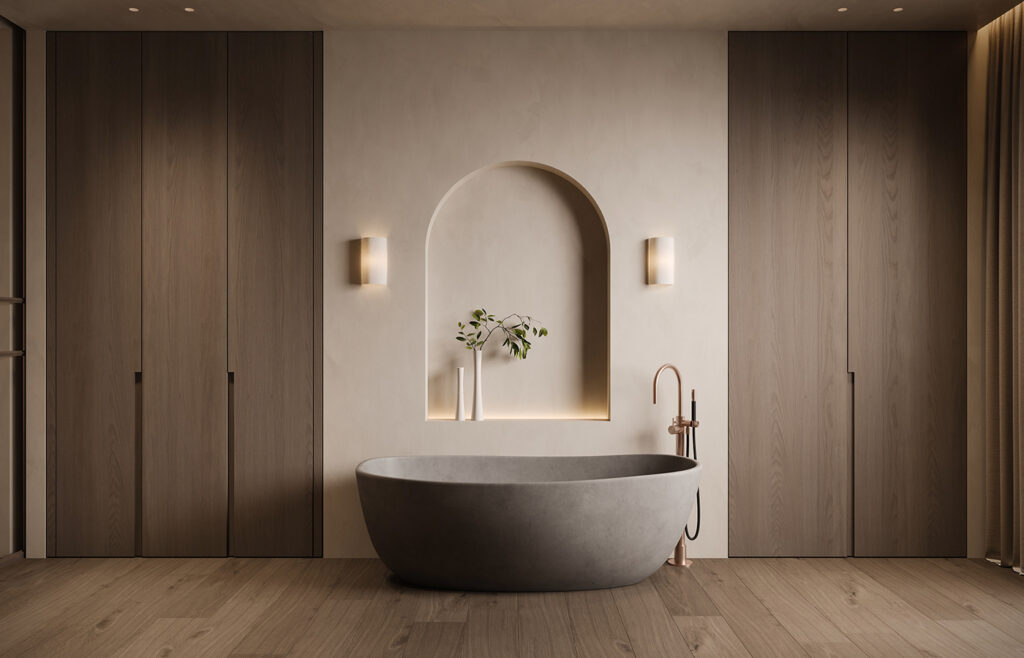
We are giving our private quarters the care they deserve, turning bedrooms and bathrooms into quiet retreats designed for physical and mental rest.
                       +---------------------------------+
                       |   RESTORATIVE BEDROOM BEDDING   |
                       +----------------+----------------+
                                        |
       +--------------------------------+--------------------------------+
       |                                |                                |
[ Breathable Linen Sheet ]    [ Wool Layering Blanket ]     [ Fluffy Feather Duvet ]
Soft against skin, controls   Adds weight, texture, and     Creates an inviting,
overnight temperature         cozy tactile warmth           cloud-like sanctuary
In the bedroom, the focus is on tactile softness. We’re prioritizing breathable organic linens, natural latex mattresses, and layered wool blankets. Clutter is strictly tucked away in built-in wardrobes, leaving visual surfaces clear to promote deeper sleep.
In the bathroom, spa-like details transform daily hygiene into a grounding ritual:
- Honest stone tiles with matte, slip-resistant finishes.
- Soaking tubs positioned near natural light.
- Solid teak wood bath mats that feel warm under bare feet.
- Bundles of fresh eucalyptus hanging from showerheads, releasing aromatic oils in steam.
Blended Design: Crafting a Home That Tells Your Story
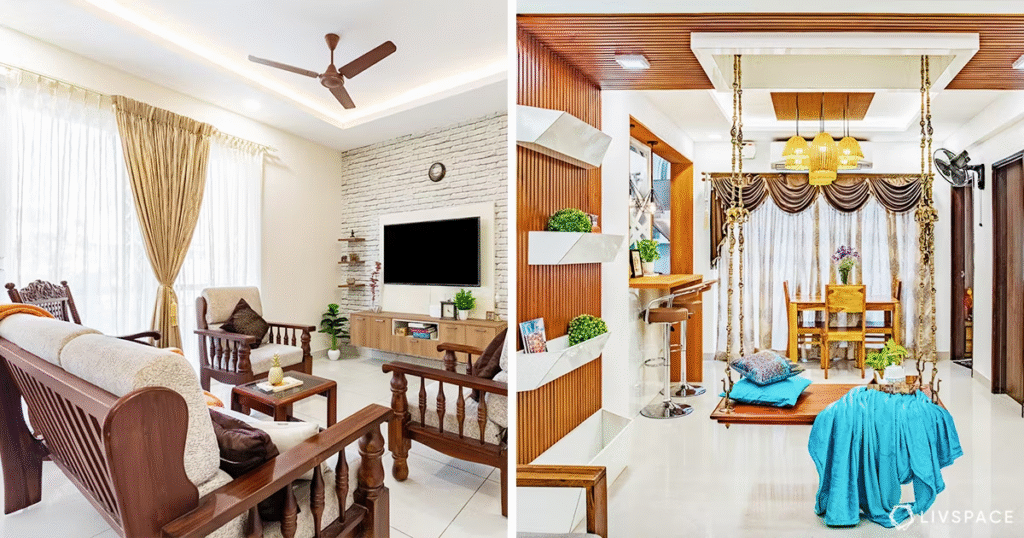
Perhaps the greatest lesson 2026 teaches us is that a house shouldn’t look like anyone else’s. The era of copy-and-paste interior trends is over. The most compelling homes are those that celebrate contrast and personal history.
( Inherited Family Heirloom ) + ( Modern Architectural Sofa ) = An Authentic Home
Don’t be afraid to place a mid-century modern lounge chair next to an antique gilt-frame mirror, or drape a colorful handmade textile over a crisp, contemporary daybed. Hang your children’s framed watercolor paintings alongside professional art prints. Display the smoothed sea glass you collected on a rain-soaked coastal walk alongside your favorite design books.
When you stop decorating for approval and start curating for comfort, your home naturally transforms into a living sanctuary—a space that cradles your daily routines, reflects your journey, and welcomes you back with open arms every time you step through the front door.
FAQs
What are the biggest interior design trends for 2026?
The biggest interior design trends for 2026 include warm minimalism, earthy colors, natural materials, curved furniture, vintage pieces, statement lighting, personalized decor, multifunctional spaces, sustainable design, and nature-inspired interiors.
What colors are trending in interior design in 2026?
Warm neutrals, earthy browns, terracotta, olive green, deep green, muted blues, soft beige, warm whites, and other nature-inspired shades are popular interior colors in 2026.
Is minimalism still popular in 2026?
Yes, but minimalism is becoming warmer and more comfortable, with natural materials, soft textures, warm colors, and personal details replacing extremely cold or empty interiors.
Is vintage furniture coming back in 2026?
Yes, vintage and vintage-inspired furniture are becoming increasingly popular because they add character, history, personality, and individuality to modern interiors.
Are curved furniture designs still trending?
Yes, curved sofas, chairs, tables, mirrors, and architectural details are popular in 2026 because they create softer and more inviting interiors.