
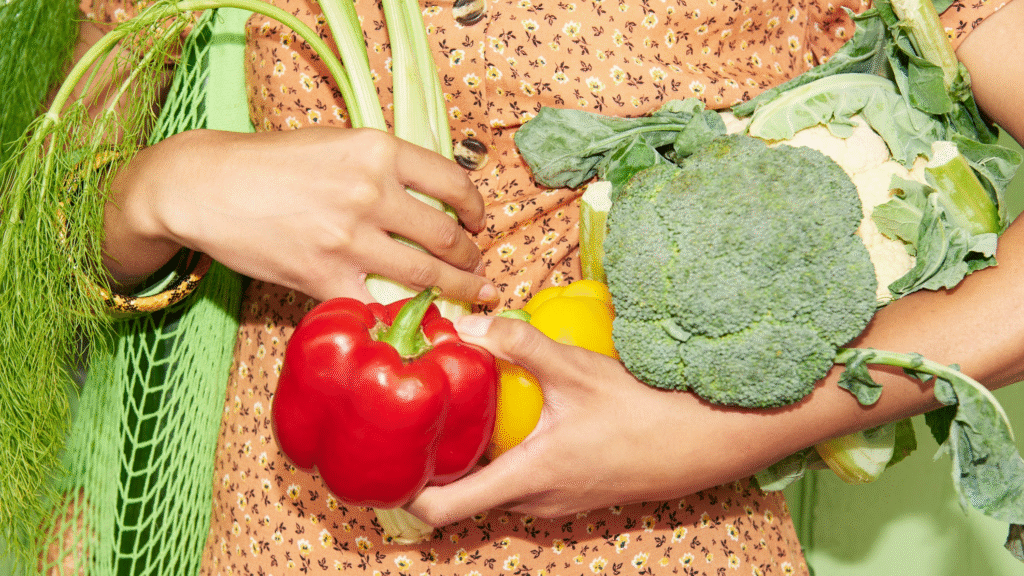
Plant-based eating isn’t just a trend anymore — it’s a global movement backed by growing scientific evidence. From lowering chronic disease risks to boosting energy and supporting a healthier planet, the benefits are hard to ignore. But with so much mixed information online, it’s easy to wonder what’s actually true about plant-based nutrition. Let’s unpack the science and walk through how you can start your own journey without feeling overwhelmed.
What Science Says About Plant-Based Diets

1. Supports Heart Health

Multiple studies show that diets rich in fruits, vegetables, whole grains, nuts, and legumes help reduce cholesterol and blood pressure. According to research published in the Journal of the American Heart Association, people who eat mostly plant foods have a significantly lower risk of heart disease compared to those who eat meat-heavy diets.
2. Helps Manage Weight Naturally
Plant-based foods are often lower in calories and higher in fiber, which keeps you full longer. The Harvard School of Public Health found that those following a plant-forward diet tend to have healthier body weights, thanks to nutrient density and reduced consumption of processed foods.

3. Reduces Risk of Chronic Diseases

Plant-based diets are linked to a lower risk of type 2 diabetes, obesity, and even certain cancers. Antioxidants and phytochemicals in plants protect cells from damage and inflammation — the root causes of many chronic illnesses.
4. Boosts Gut Health

A variety of plant foods supports a diverse gut microbiome — the community of good bacteria in your digestive system. This diversity is key to better digestion, immunity, and even mood regulation.
Common Myths About Going Plant-Based
Myth 1: You Won’t Get Enough Protein
Reality: You can easily meet your protein needs with beans, lentils, tofu, tempeh, quinoa, and nuts. For example, a single cup of cooked lentils provides around 18 grams of protein — similar to three eggs.
Myth 2: It’s Expensive
Fruits, vegetables, grains, and legumes are some of the most affordable foods in any grocery store. Buying in bulk and eating seasonal produce can make a plant-based lifestyle even more budget-friendly.
Myth 3: You’ll Miss Out on Nutrients
While you’ll need to plan for nutrients like B12, iron, and omega-3s, they’re easy to get from fortified foods, supplements, or specific plant sources like flaxseeds and chickpeas.
How to Start Your Plant-Based Journey
1. Begin with Small Swaps

You don’t have to go vegan overnight. Start by replacing one meal a day with a plant-based option — maybe oatmeal for breakfast or a chickpea salad for lunch.
You don’t have to go vegan overnight. Start by replacing one meal a day with a plant-based option — maybe oatmeal for breakfast or a chickpea salad for lunch.
2. Focus on Whole Foods
Aim for foods that are minimally processed. Think: colorful veggies, leafy greens, beans, lentils, seeds, and whole grains like brown rice or quinoa.

3. Plan Balanced Meals


Each plate should include:
- Protein: lentils, tofu, tempeh, beans
- Healthy fats: nuts, seeds, avocado
- Carbs: whole grains, fruits, starchy vegetables
This ensures you’re getting the right mix of nutrients and energy.
4. Experiment with Recipes

Explore new flavors — stir-fries, curries, smoothies, and plant-based burgers are just the beginning. Trying different cuisines helps you stay excited and consistent.
5. Stay Flexible
Being plant-based isn’t about perfection — it’s about progress. Even adding more plant foods to your current diet brings major benefits.
Conclusion
The science is clear: a well-planned plant-based diet can be one of the healthiest ways to eat. It supports your heart, balances your weight, nourishes your gut, and protects against disease — all while being kind to the planet. Start small, stay curious, and celebrate each step toward a healthier, more mindful way of eating.
The information in this article is for general educational purposes only and is not a substitute for professional medical advice, diagnosis, or treatment. Always consult a qualified healthcare provider before making changes to your diet, exercise routine, or health regimen.
#PlantBased #Nutrition #HealthyEating #Wellness #VeganLifestyle #Anslation #Carrerbook#PlantBasedDiet #HealthyLiving #CleanEating #NutritionTips #Wellbeing #HealthyChoices #VeganFood #MindfulEating #DietTips #HealthAndWellness