

What you eat has a huge impact on how you feel — not just physically, but mentally too. A balanced diet can improve your energy, sharpen your focus, support your mood, and keep your body strong. If you’re trying to build healthier habits, here’s a closer look at the best foods that nourish both your body and your mind.
1. Leafy Greens: The Nutrient Powerhouses
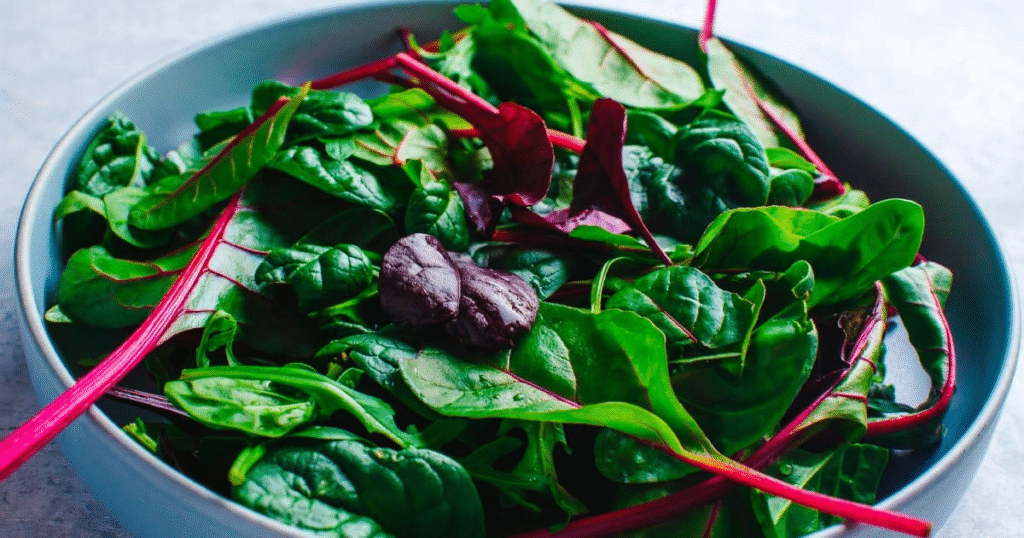
Leafy greens like spinach, kale, arugula, and Swiss chard are some of the most nutritious foods you can add to your plate. They’re packed with vitamins A, C, and K, along with iron, folate, magnesium, and powerful antioxidants.
Why they help your mind and body
- Reduce inflammation, which helps protect your brain from stress.
- Improve blood flow for better concentration.
- Support healthy digestion and immunity.
How to eat them
Add them to salads, blend them into smoothies, or toss them into soups and stir-fries.
2. Berries: Natural Brain Protectors
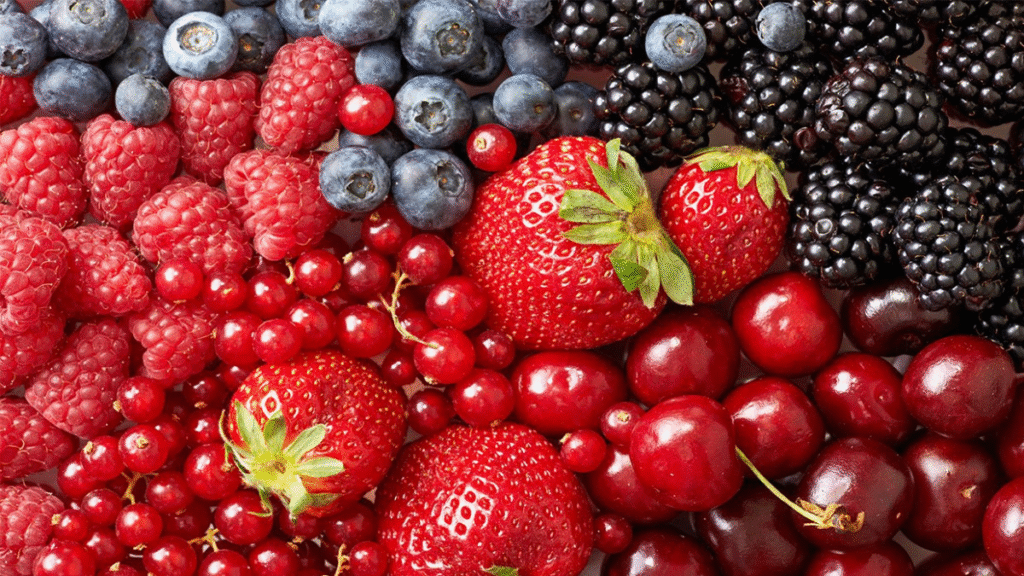
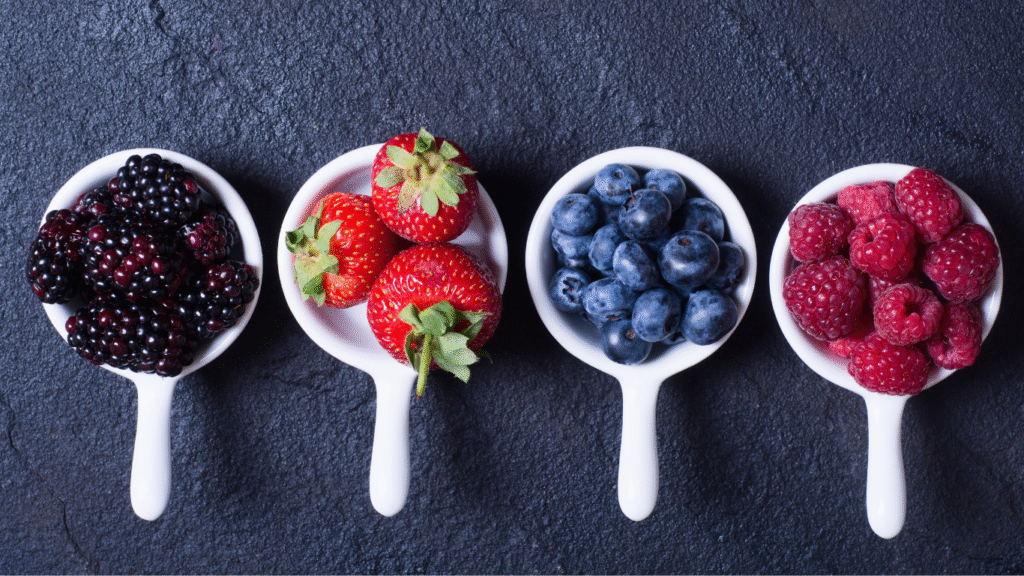
Blueberries, strawberries, raspberries, and blackberries are rich in anthocyanins — antioxidants that support brain function.
Benefits
- May improve memory and focus.
- Protect the brain from aging.
- Support heart and skin health.
Easy ways to include them
Mix them into yogurt, oatmeal, smoothies, or enjoy a handful as a snack.
3. Fatty Fish: Fuel for Brain Function
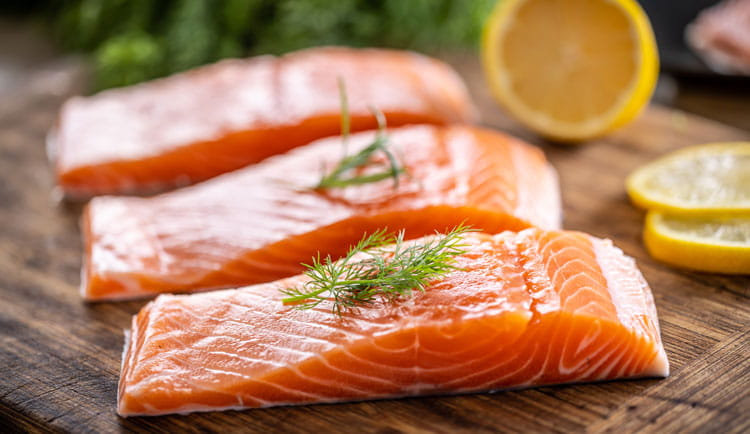
Salmon, tuna, sardines, and mackerel contain omega-3 fatty acids, which are essential for both brain and heart health.
Benefits
- Improve cognitive function.
- Support emotional well-being.
- Reduce inflammation throughout the body.
Tip
Try eating fatty fish 2–3 times per week for consistent benefits. If you’re vegetarian, chia seeds or algal oil supplements can help.
4. Nuts and Seeds: Small Foods with Big Benefits
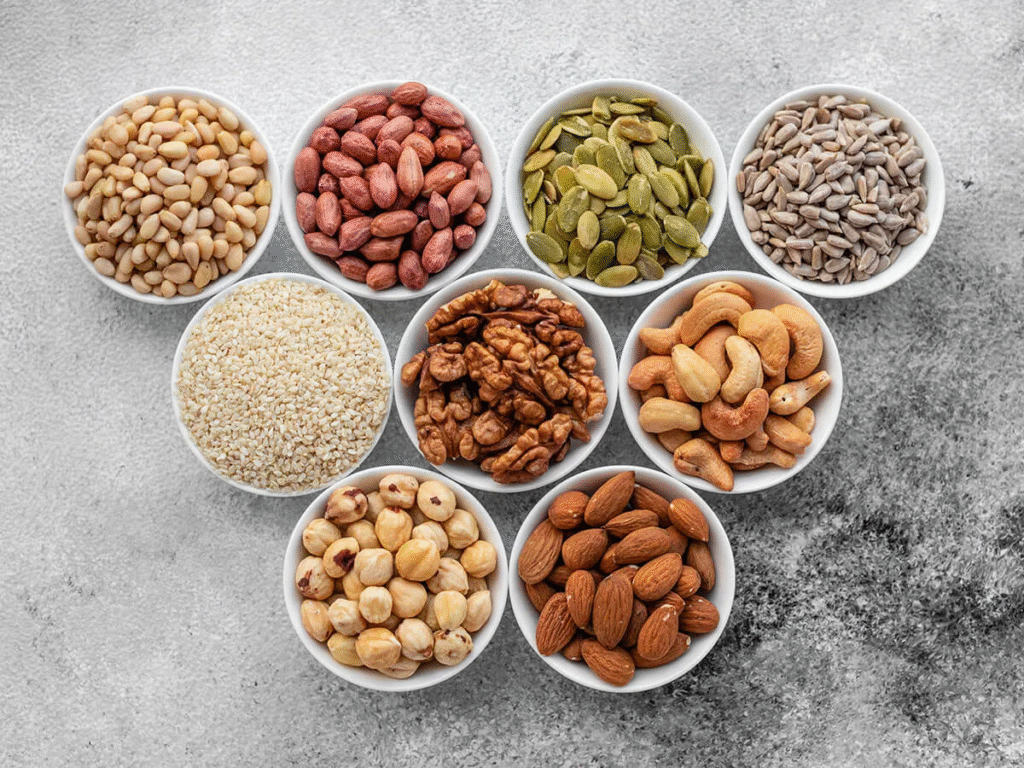
Almonds, walnuts, cashews, chia seeds, and flaxseeds deliver healthy fats, vitamins, protein, and fiber.
Why they’re great
- Walnuts specifically support brain structure and function.
- Provide long-lasting energy.
- Stabilize blood sugar, reducing fatigue and irritability.
How to use them
Add them to salads, oatmeal, smoothies, or snack on a small handful daily.
5. Whole Grains: Steady Energy for the Day
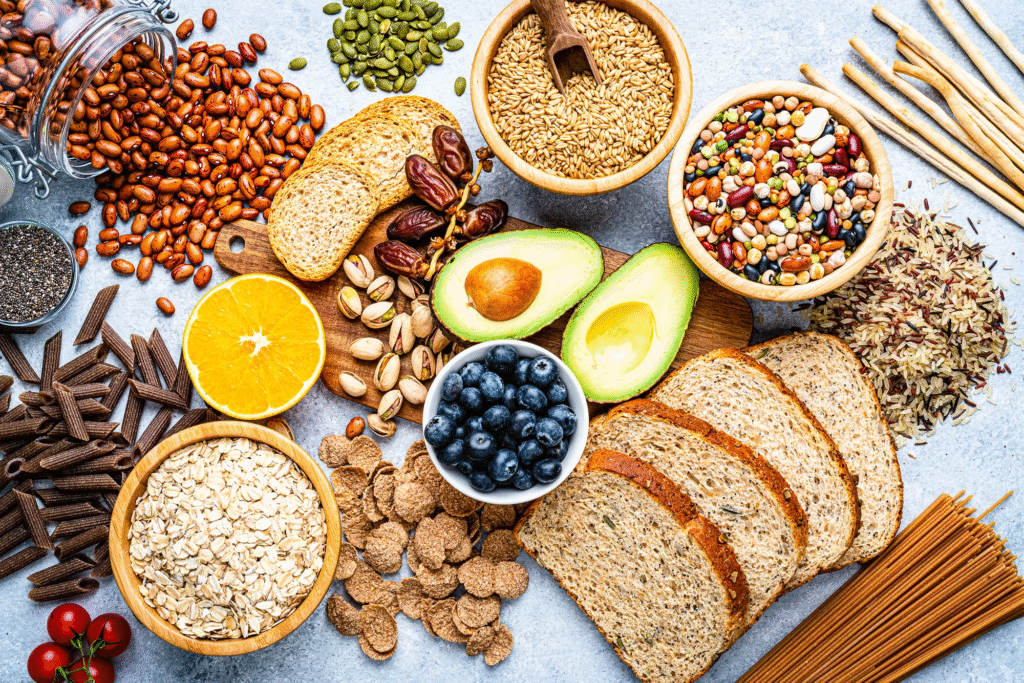
Whole grains like oats, quinoa, barley, brown rice, and whole-grain breads digest slowly, keeping your energy stable.
Why it matters
- Prevents mid-day crashes.
- Supports gut health with high fiber.
- Helps improve mood thanks to steady glucose levels.
How to enjoy
Make oat bowls, grain salads, or switch your regular bread and rice to whole-grain versions.
6. Yogurt: A Healthy Gut Means a Healthier Mind

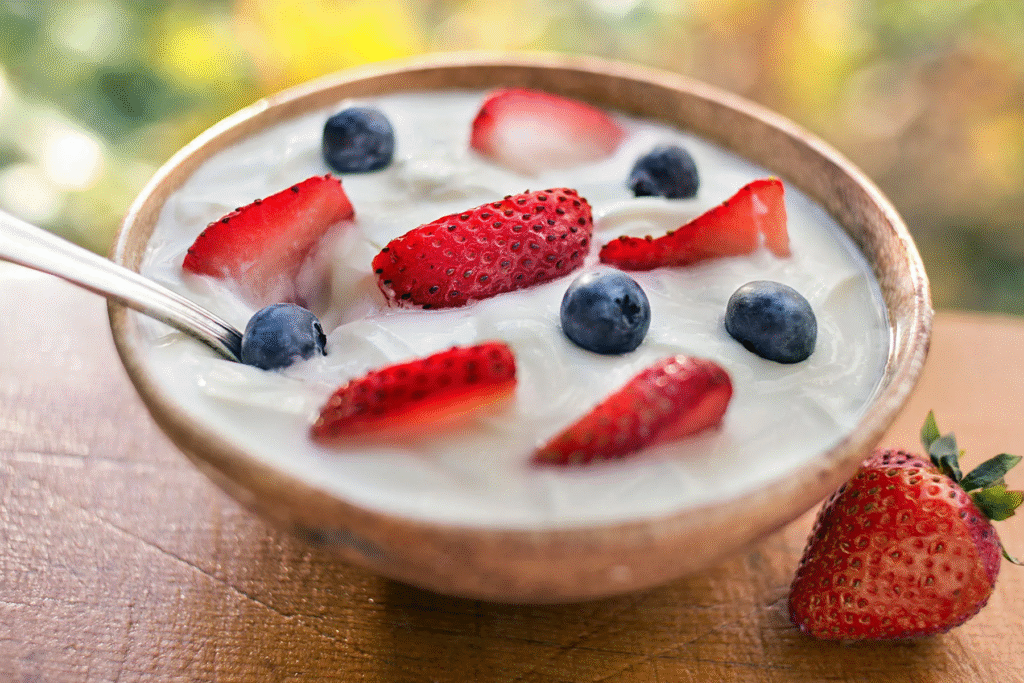
Your gut is often called your “second brain.” Yogurt with probiotics helps maintain good bacteria in the digestive system.
Key benefits
- Supports digestion.
- Can reduce anxiety and stress.
- Boosts immunity.
Tip
Choose unsweetened yogurt or Greek yogurt to avoid added sugars.
7. Avocados: Rich, Creamy, and Brain-Friendly
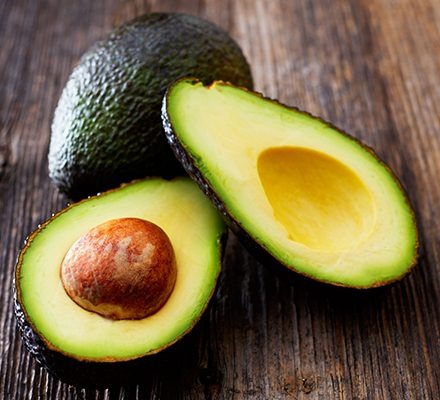
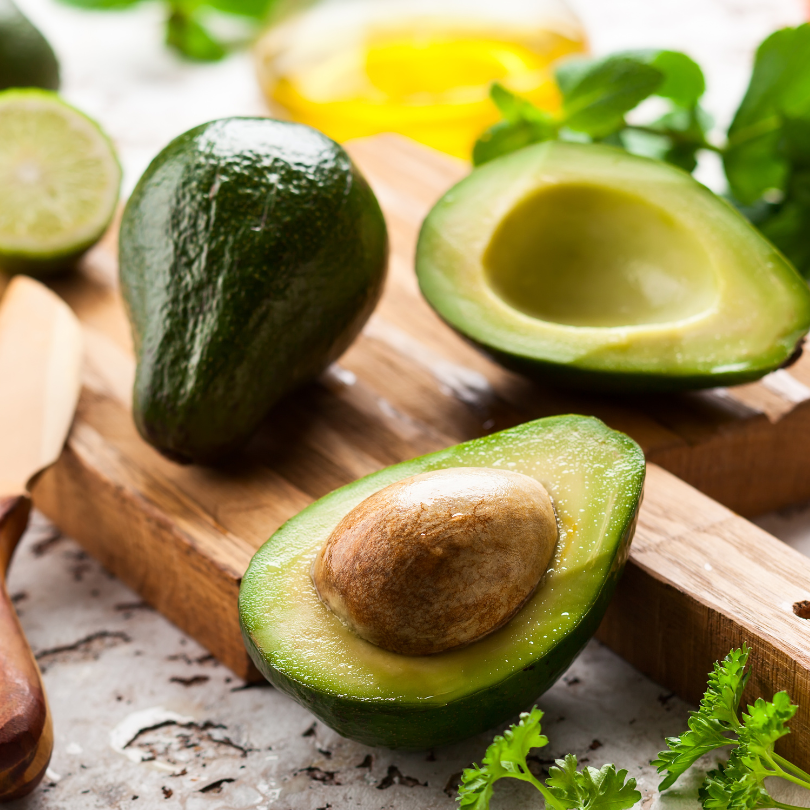
Avocados contain healthy monounsaturated fats, potassium, fiber, and vitamin E.
Why they’re helpful
- Improve blood flow to the brain.
- Support heart health.
- Keep you full and energized.
How to include them
Add to salads, sandwiches, toast, or blend into smoothies for extra creaminess.
8. Green Tea: Calm Energy and Focus

Green tea is a gentle source of caffeine and antioxidants. It also contains L-theanine, an amino acid known for promoting calm alertness.
Benefits
- Improves mental clarity.
- Reduces stress.
- Supports metabolism.
When to drink
Morning or early afternoon is ideal for a smooth, steady energy boost.
9. Dark Chocolate: A Tasty Mood Booster
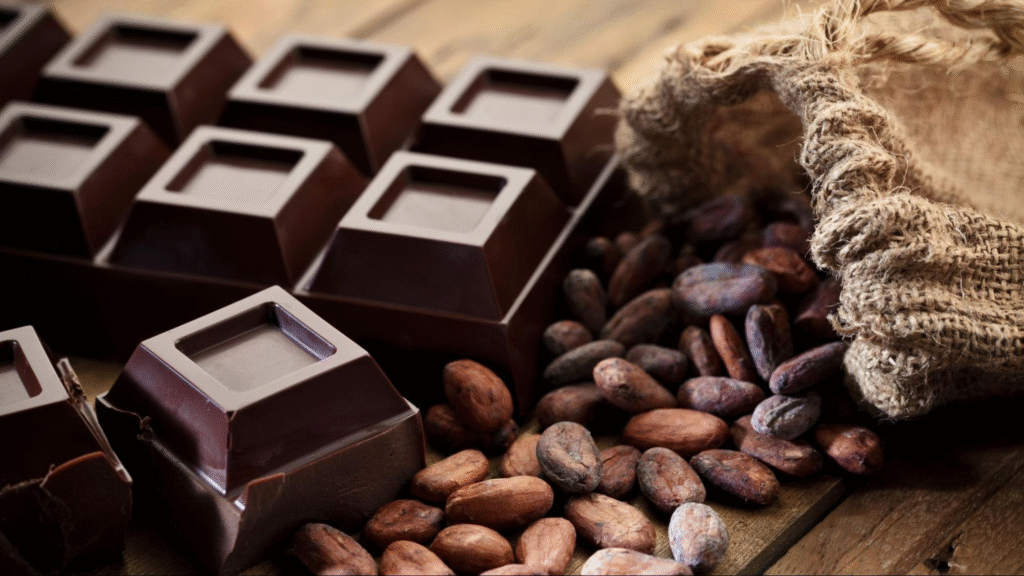
Dark chocolate (70% cocoa or more) contains antioxidants and natural stimulants that can lift your spirits.
Benefits
- Enhances mood by releasing endorphins.
- Improves blood flow to the brain.
- Contains magnesium, which helps relax the body.
Tip
Enjoy 1–2 small squares a day for a healthy treat.
10. Fresh Vegetables: Color on Your Plate, Strength in Your Body
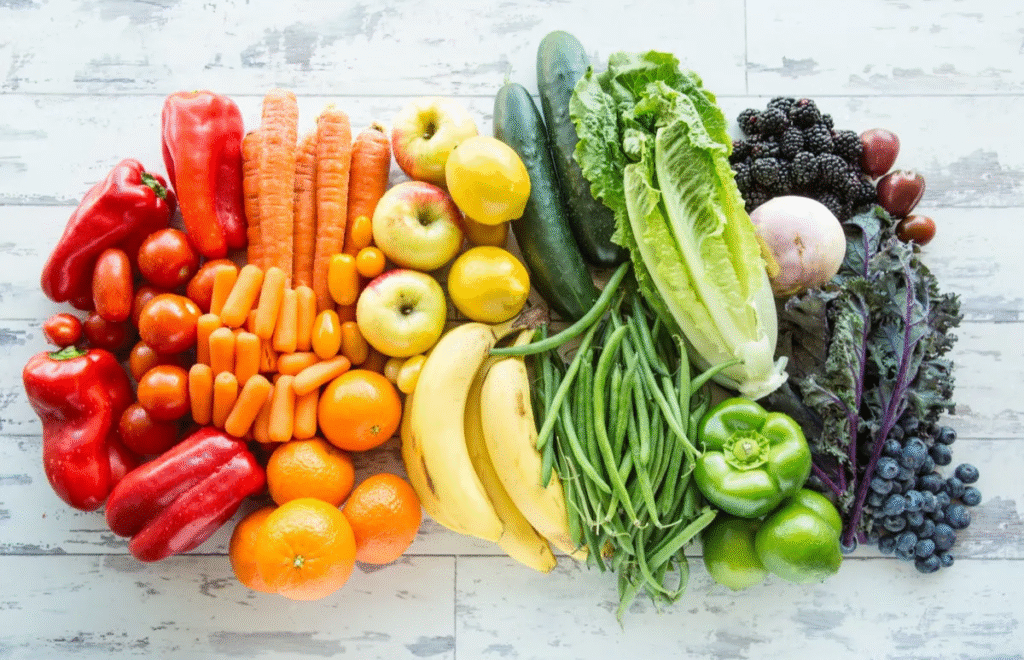
Carrots, broccoli, tomatoes, bell peppers, cucumbers, and other vegetables supply your body with vitamins, minerals, and hydration.
Why they matter
- Support heart, eye, and bone health.
- Provide antioxidants that protect your cells.
- Keep you full without adding excess calories.
How to include more
Add veggies to every meal — stir-fries, salads, wraps, soups, or snack platters.
Final Thoughts
Eating for a healthy body and mind doesn’t require complicated diets. Small, consistent changes — like swapping processed snacks for fresh foods or adding more vegetables to your meals — can make a big difference. Choose whole, natural foods whenever you can, stay hydrated, and enjoy your meals mindfully. Over time, these habits help you feel stronger, more focused, and more balanced every day.
The information in this blog is for general educational purposes only and should not be taken as medical advice. Always consult a qualified healthcare professional before making changes to your diet, health routine, or lifestyle. Individual needs may vary, and what works for one person may not work for another.
#HealthyEating #WellnessTips #NutritionGuide #HealthyLifestyle #MindAndBody #Anslation # carrerbook #CleanEating #Superfoods #HealthyLiving #Wellbeing #EatSmart #HolisticHealth