
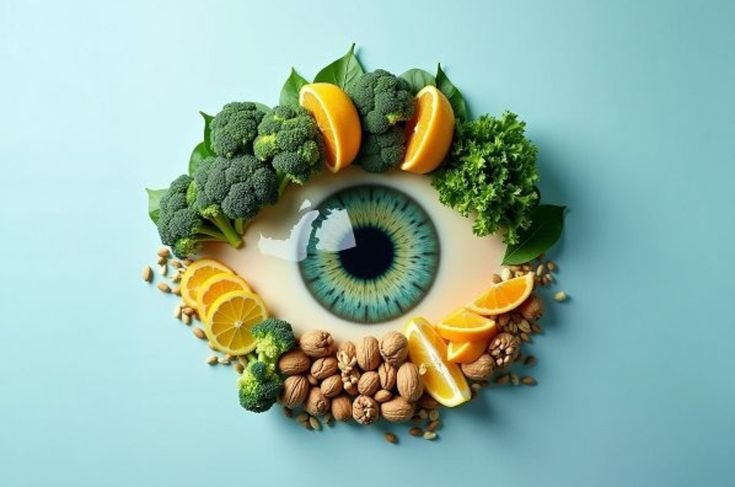
The most useful eye health tips are simple: protect the eyes, support general health and arrange examinations at the right time. This guide goes into how to improve eye health, what to eat for eye health and how to maintain eye health into your routine for each stage of life.
Summer in India is not gentle on the eyes. The combination of intense UV radiation, dry heat, dust, air pollution, and hours spent in air-conditioned spaces creates conditions that most people’s eyes were not designed to handle without some support.
Most eye complaints during summer, such as burning, dryness, redness, and sensitivity, are predictable and preventable. This summer eye care guide 2026 covers the 15 most practical things you can do to protect your eyes from April through July, with the reasoning behind each.
A Simple Eye-Care Routine for 2026
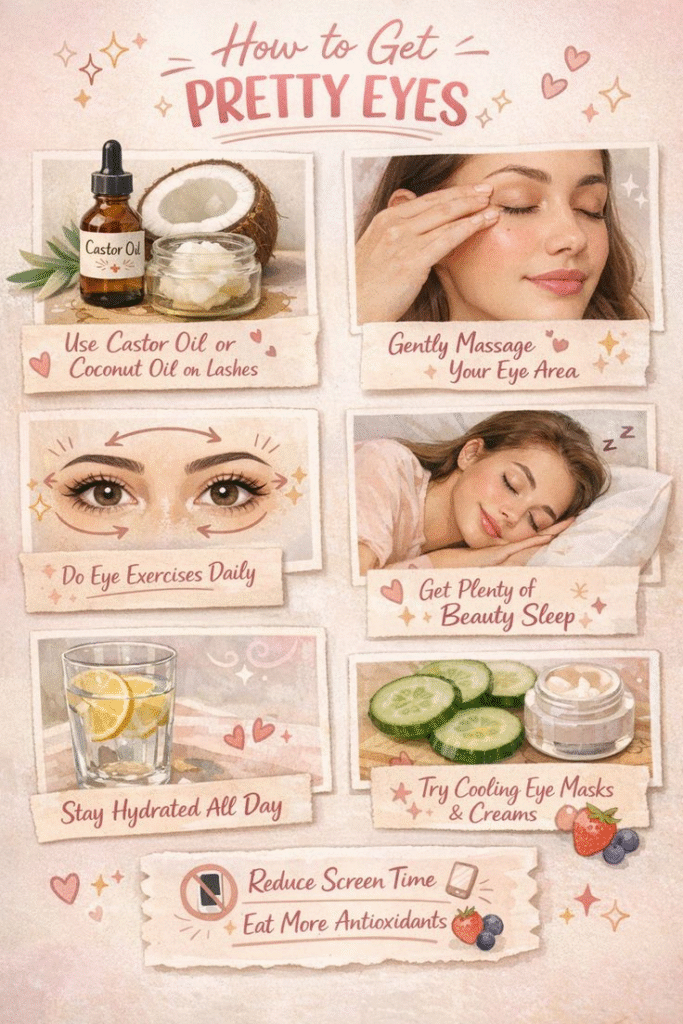
A practical plan for how to improve eye health starts with your past eye exam, health issues, UV and injury protection, and report of any new symptoms.
Use these eye health tips as a monthly checkup. This is a manageable approach to how to maintain eye health.
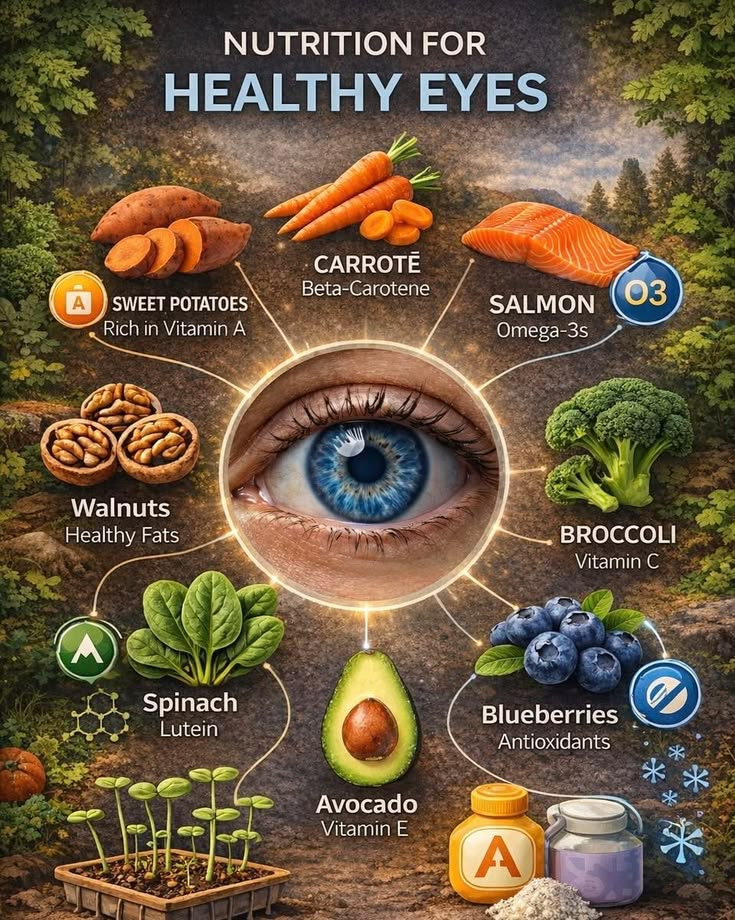
When deciding what to eat for eye health, go for a diet of regular meals which include lots of vegetables, fruits, protein, and little to no processed foods.
When deciding how to improve eye health, remember that sleep habits, your exercise routine, quitting smoking and managing chronic diseases in addition to what you put in your body.
The base principle of eye health tips is that you should adopt these practices as a routine.
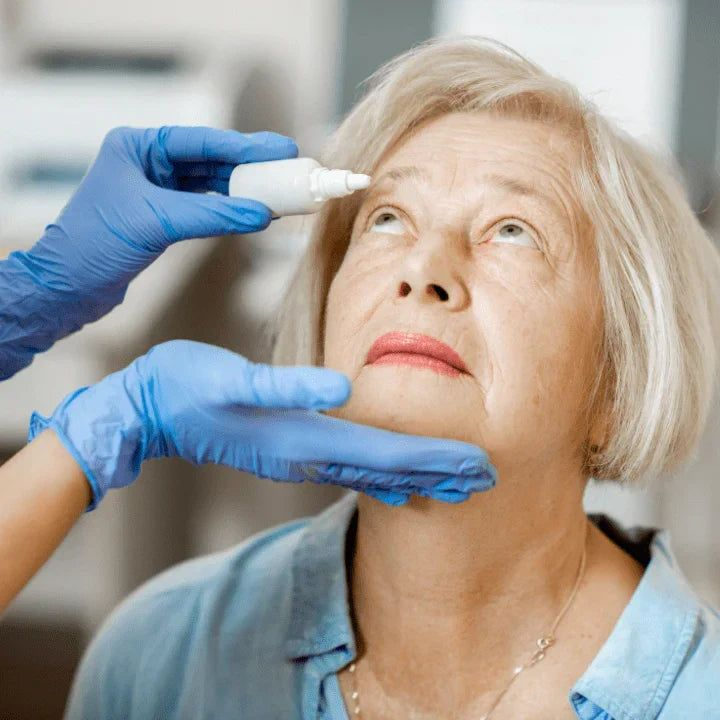
If you do have certain symptoms or are at high risk for certain issues, it is a good idea to seek out care from a Vasan Eye Care eye specialist hospital for them to be able to design a monitoring and plan just for you.
How to protect eyes in summer: Below are useful tips for eye care in summer
Tip 1: Wear UV-protective sunglasses every time you are outdoors
Look for lenses labelled UV400 or 100% UVA/UVB protection. Dark tints without UV coating can increase exposure by causing the pupil to dilate. Wraparound frames provide better side protection because UV enters from all angles -not just directly ahead.
Tip 2: Add a wide-brimmed hat outdoors
Reflected UV from roads, sand, and water reaches the eye from below and at angles sunglasses alone cannot cover. A wide-brimmed hat combined with glasses substantially cuts overall exposure and reduces the squinting fatigue that builds up throughout the day.
Tip 3: Avoid direct sun exposure during peak UV hours
UV peaks between 10 am and 4 pm, particularly from March to June in India. Brief outdoor exposure is generally fine; sustained unprotected time in midday sun is where cumulative damage builds.
Tip 4: Protect eyes from sunlight near reflective surfaces
Water, sand, and light-coloured concrete reflect up to 80% of UV radiation back toward the eyes. This is why photokeratitis -a painful sunburn of the cornea -is common after beach outings or time on terraces, even when the sky is partially overcast. UV penetrates cloud cover significantly.
Simple daily habits that support healthy eyes
One of the most effective eye health tips is also one of the easiest:
remembering to blink regularly. Extended screen focus reduces blink rate, which can contribute to dry eyes and irritation.
Good hygiene also plays an important role. Make it a habit to wash your hands before touching your eyes, especially if you wear contact lenses.
This simple step helps reduce the risk of irritation and infection.
Routine eye exams are another essential habit.
Regular eye exams can detect changes early, even before symptoms appear, helping protect long-term vision.
Daily Eye Care Checklist
- Wear UV-blocking sunglasses outdoors.
- Eat a diet rich in leafy greens, fruits, fish, nuts, and seeds.
- Follow the 20-20-20 rule during prolonged screen use.
- Blink regularly and manage dry eye symptoms.
- Do not smoke.
- Maintain healthy blood sugar, blood pressure, and cholesterol.
- Use protective eyewear during hazardous work and sports.
- Practice strict contact lens hygiene.
- Sleep 7–9 hours each night.
- Attend regular comprehensive eye examinations, especially if you have diabetes, high myopia, or a family history of eye disease.


screen-time adjustments for modern life
Screens are unavoidable for many people, but smart adjustments make a difference. One widely recommended technique is the which encourages regular breaks from screens to reduce visual strain.
The rule is that every 20 minutes involves looking at something approximately 20 feet away for 20 seconds. This short pause helps relax eye muscles and reduce visual fatigue.
Positioning screens slightly below eye level and reducing glare can also help limit strain during prolonged screen use.
Nutrition and eye health support
Nutrition continues to play a vital role in eye health. A balanced diet supports the structures of the eye and helps maintain visual function over time.
Research highlights the importance of supporting tear quality and surface comfort. These nutrients are commonly found in oily fish and are often linked to eye comfort, particularly for people experiencing dryness.
Maintaining a healthy weight is also associated with better overall health outcomes, including reduced risk of certain eye disease factors linked to metabolic health.
Sleep, recovery and eye comfort
Sleep allows the eyes to recover from daily exposure and restore surface moisture. Poor sleep can worsen irritation, redness and visual discomfort.
Supporting good sleep habits helps maintain tear balance and contributes to healthier visual function throughout the day.
Long-term eye health considerations
As people age, long-term eye health becomes increasingly important. Conditions such as age-related degeneration highlight the need for early prevention and consistent care.
While genetics play a role, lifestyle factors including nutrition, screen habits and protection from environmental exposure all contribute to long-term outcomes.
By adopting healthy habits early, individuals can support eye health and reduce risks later in life.