
Before we talk about what to eat, let’s talk about what the research actually shows. After decades of nutrition studies, billions in funding, and countless contradictory headlines, here’s what we know for certain:
- You need adequate calories. Not too many, not too few.
- You need sufficient protein and essential fats.
- You need vitamins, minerals, and fiber from real food.
That’s it. Everything else—keto, paleo, vegan, carnivore, whatever—just different strategies for achieving those three goals.
The problem isn’t that we don’t know what to eat. We’ve been sold the idea that healthy eating needs to be complicated, expensive, or extreme. Spoiler alert: it doesn’t.
What this actually means for you:
If you weigh 140 pounds, you’re aiming for roughly 70-100 grams of protein daily. That might sound like a lot (it is more than most people eat), but it’s achievable when you spread it across your meals.
Here’s what that looks like in real food:
- Breakfast: Superfood Breakfast Bites or a scramble made with Big Mountain Soy-Free Tofu (64g protein per pack) with veggies and whole grain toast (25-30g)
- Lunch: Grain bowl with Lion’s Mane Mushroom Crumble, quinoa, and tahini dressing (20-25g)
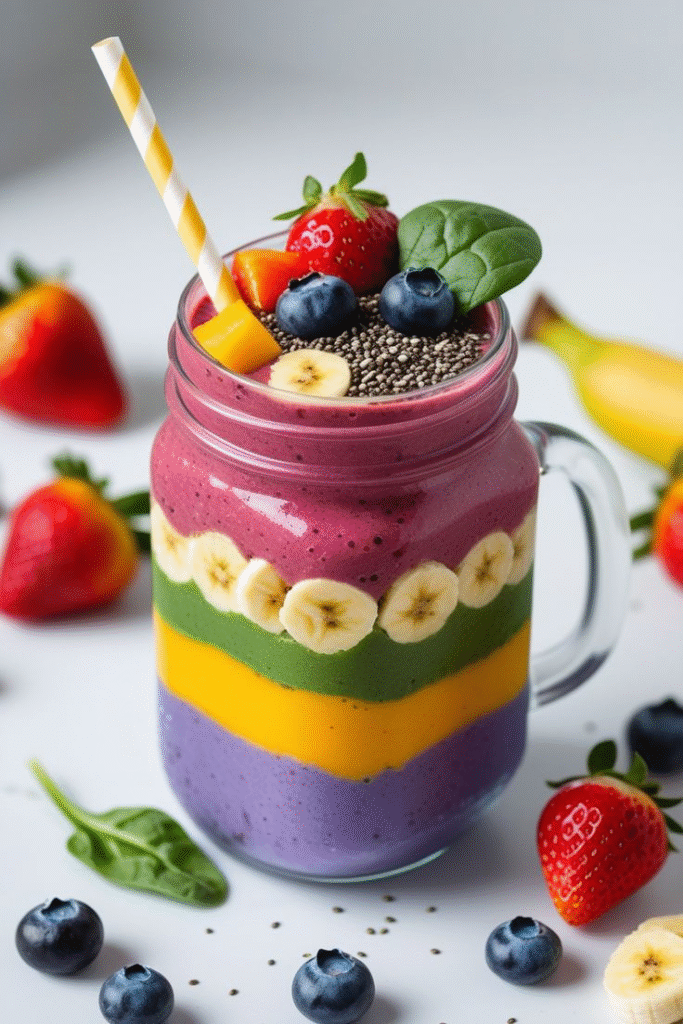
- Snack: Protein smoothie with plant-based protein powder (20-25g)
- Dinner: Stir-fry with Big Mountain Korean Style BBQ Soy-Free Tofu or Smoked Soy-Free Tofu and vegetables over rice (25-30g)
Why it matters: Research published in the Journal of the Academy of Nutrition and Dietetics confirms that protein is the most satiating macronutrient. It keeps you fuller longer. When you prioritize protein, you naturally eat less of the stuff that doesn’t serve you. Not because you’re restricting it—you’re actually satisfied.
The mistake people make: Saving all their protein for dinner. A 2021 study in the Journal of Nutrition found that distributing protein evenly across meals (rather than back-loading it at dinner) leads to better muscle protein synthesis and more stable energy throughout the day.
The advantage of Big Mountain’s Soy-Free Tofu? One pack delivers 64 grams of protein—significantly higher than most plant-based proteins on the market. You can hit your daily protein target in two meals if you build around it strategically.
What types of foods give you energy?
Technically, all food provides energy. When you eat, your body breaks down macronutrients in food — carbohydrates, fat, and protein — and uses them as energy or building blocks for other molecules.
Nutrient-rich, whole foods
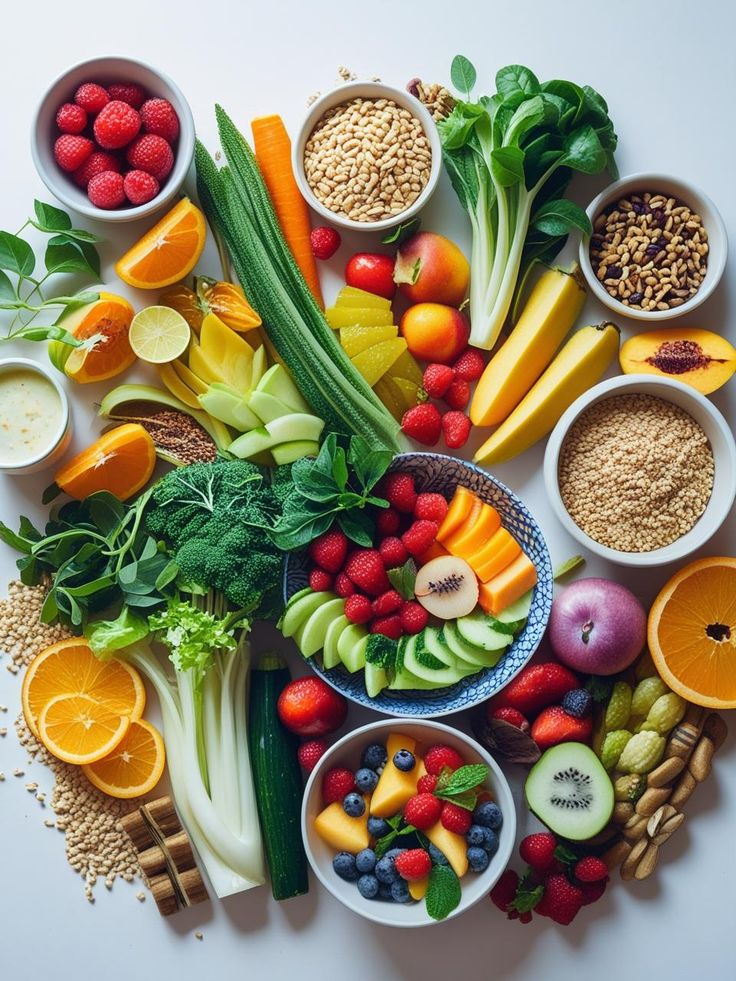
A nutritious diet that includes a balance of macronutrients can help maintain your energy levels. For example, a high-fat, low-carb meal or a high-carb, low-fat meal may make you tired. But eating balanced meals with nutrient-rich, whole foods such as fruits, vegetables, and legumes can have the opposite effect. This approach can help you prevent nutritional deficiencies and fatigue as well as maintain energy throughout the day.
The Mediterranean deit encourages eating many nutrient-rich, whole foods. Following this eating pattern has been found to decrease fatigue in different populations, such as people with cancer and fibromyalgia. And it has even been shown to increase endurance.
While the Mediterranean diet has been widely studied, many cultures around the world also incorporate whole, plant-based foods.
Iron-rich foods
Iron helps make red blood cells that carry oxygen throughout your body, supporting its many functions. Low levels of this micronutrient can lead to iron deficiency and anemia. And these conditions can lead to fatigue and weakness. So, while eating iron-rich foods may not necessarily give you a boost of energy, it can help prevent iron deficiency.
Some reliable sources of iron include:
- Red meat
- Fish and seafood
- Poultry
- Tofu
Many animal-based foods that include iron also contain vitamin B12. Getting enough of this macronutrient is also important because vitamin B12 deficiency can lower energy levels and hinder exercise performance.
Water and water-rich foods
Water makes up most of your body weight and plays an important role in every organ system. Water is necessary for life. Even slight dehydration can decrease your body’s ability to function properly. One of the warning signs of dehydration is a drop in your energy levels.
You don’t have to get all of your daily hydration from drinking water. You can also get fluids through food, like fruits and vegetables. Here are some foods that are over 90% water:
- Cucumbers
- Watermelon
- Strawberries
- Cantaloupe
Natural Energy-Boosting Foods
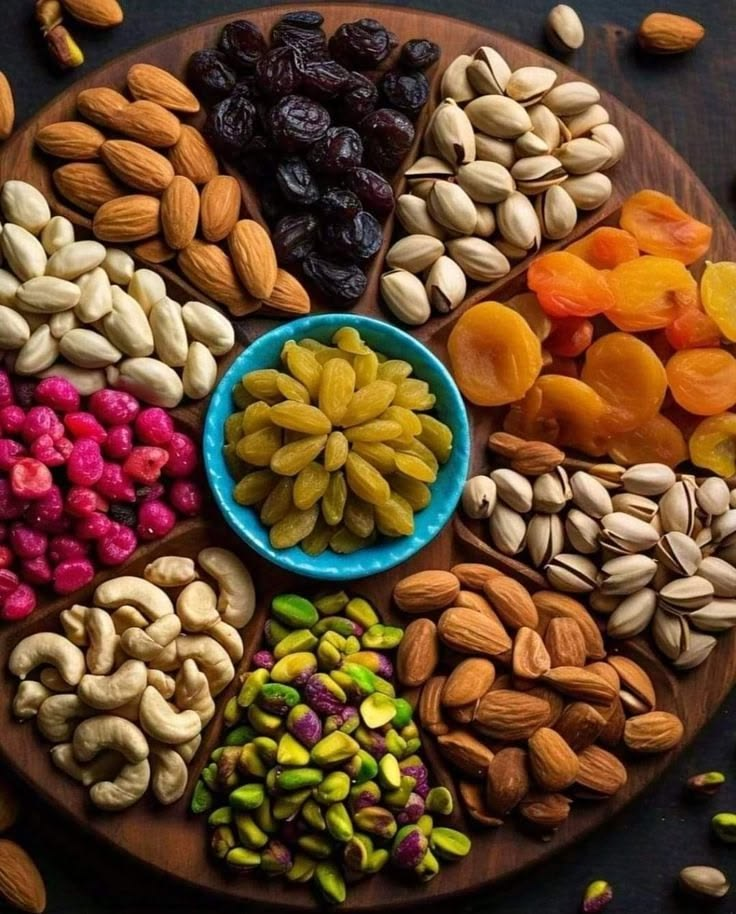
You may be surprised to know that some of the most effective high energy foods are easy, inexpensive, and likely already in your pantry.
Let’s look at them.
1. Bananas – The Fast Energy Fix That Lasts
Bananas aren’t just a convenient snack—they’re a powerful source of natural energy. Plus, they’re rich in potassium which supports healthy muscle function and helps fight fatigue.
A banana prior to exercise or at the time of your afternoon crash can be a miracle food.
Why it works:
- Provides fast-acting, natural sugars
- Supports muscle health with potassium
- Easy to digest and take on the go
Read Also: Weekly Pregnancy Diet Chart by Experts
2. Oats
If long-lasting energy is what you seek, look no further than oats. Rich in complex carbohydrates and fiber, oats take a long time to digest—providing sustained energy without a crash. They also have B-vitamins that turn food into fuel.
A bowl of oatmeal on a warm morning can energize you throughout the day.
Why it works:
- Slow-digesting complex carbs for sustained energy
- High fiber to reduce hunger
- Spurs metabolism with B-vitamins
Read Also: Morning Sickness Relief: 10 Superfoods To Help Fight Nausea During Pregnancy
3. Eggs
Eggs are an entire protein food, containing all the amino acids your body requires. They’re also a good source of vitamin B12, which is critical to energy production and cognitive function.
Beginning the day with eggs—boiled, poached, or scrambled—can fill you up and energise you or several hours.
Why it works:
- High in protein
- B12-rich for body and brain energy
- Fills you up without the sugar crash
4. Nuts
Almonds, cashews, and walnuts are all, high-energy snacks packed with protein, fiber, and healthy fats. They also have magnesium, a mineral that converts food to energy.
A handful of nuts is fast to stop hunger and boost concentration.
Why it works:
- Protein + good fats combo
- Magnesium for energy production
- Easy to carry and snack on
5. Greek Yogurt
Greek yogurt isn’t just delicious—it’s a powerful energy booster. With nearly twice the protein of regular yogurt, it helps keep you full and satisfied longer. Plus, it contains probiotics that support healthy digestion and improve nutrient absorption, giving your body the fuel it needs to perform.
Top it with fresh fruit or a drizzle of honey, and you’ve got a nutritious, energy-boosting snack that’s as tasty as it is effective.
Why it works:
- Rich in protein
- Promotes gut health for improved digestion
- Low in sugar, depending on type
What Else Can You Do to Stay Energized Naturally?
Great nutrition is key—but your daily habits matter just as much when it comes to feeling energized. Try adding these simple practices to your routine: Get quality sleep (7–8 hours minimum)
- Move your body (short daily walks or stretch breaks)
- Cut back on caffeine and energy drinks to prevent energy crashes
- Avoid sugary snacks, especially on an empty stomach
- Stay hydrated
- By combining smart eating with healthy habits, your energy boosts naturally.
What to Avoid If You Want More Energy
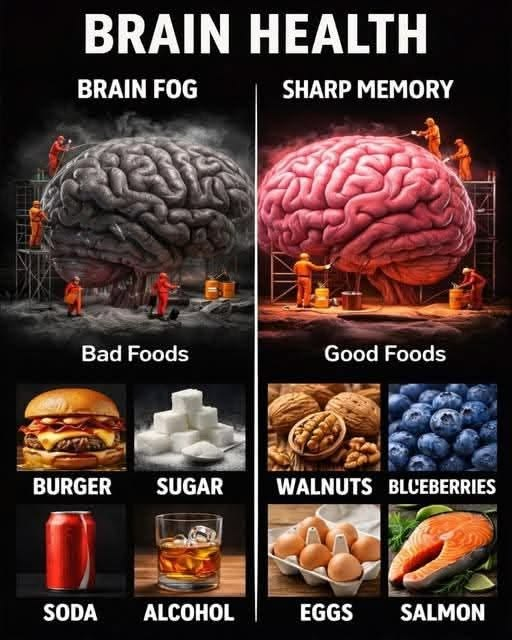
Boosting your energy isn’t only about eating the right foods—it’s also about steering clear of the wrong ones. Some foods and drinks might feel satisfying in the moment but can leave you feeling drained soon after.
Being mindful of what not to eat is just as important for maintaining steady, lasting energy.
Before we talk about what to eat, let’s talk about what the research actually shows. After decades of nutrition studies, billions in funding, and countless contradictory headlines, here’s what we know for certain:
- You need adequate calories. Not too many, not too few.
- You need sufficient protein and essential fats.
- You need vitamins, minerals, and fiber from real food.
That’s it. Everything else—keto, paleo, vegan, carnivore, whatever—just different strategies for achieving those three goals.
The problem isn’t that we don’t know what to eat. We’ve been sold the idea that healthy eating needs to be complicated, expensive, or extreme. Spoiler alert: it doesn’t.