

The healthcare industry has been going through a major transformation in recent years, and it’s only picking up speed. This shift happens across the board — from care interventions to drug discovery — and changes will continue to unfold. The factors contributing to the evolution are the unprecedented technology boom, the rise of chronic diseases, and an ongoing shortage of medical professionals.
So, what’s next for healthcare? With years of experience in tech and a deep understanding of the healthcare market, here we list emerging and continuing trends that will shape the industry and define the benefits and challenges that go hand in hand with these technology advancements.
How can digital technology help to contain costs?

More effective integration of digital technology into everyday practice could save more than $5 billion annually, according to the Australian Productivity Commission [16]. This is especially through reducing duplicate tests, automating up to 30% of administrative tasks and improving clinical workflows.
Leaders face a strategic inflection point: continue incremental fixes or embrace transformative cost-containment strategies. The stakes are high; those who hesitate risk financial fragility and diminished patient outcomes.
Around the world, innovators are showing what is possible – see FAQs, below. For example, in Spain, scaled virtual wards across 27 hospitals, reducing inpatient bed demand and nursing requirements. By shifting acute care into homes for selected patients, the region saved €8 million annually while maintaining safety and quality outcomes [18].
Such examples prove that decisive action works and scales. The next wave of healthcare leadership will be defined by those who move beyond pilots to embed cost-containment into their operating model.
Verifiable Credentials and Global Clinical Portability
Clinician identity and credentialing are being reimagined for a borderless digital health workforce. Leveraging decentralized identifiers (DIDs) and verifiable credentials, new standards will emerge for validating practitioner expertise across regions. This evolution supports safer AI model training, facilitates remote consulting, and reduces friction in health worker mobility.
Together, these trends signal a broader shift: healthcare in 2026 will no longer be bounded by geography, currency, or legacy intermediaries. Instead, it will be anchored in verifiability, programmability, and adaptive intelligence, laying the groundwork for a globally interoperable health infrastructure.
The expanding role of technology in healthcare
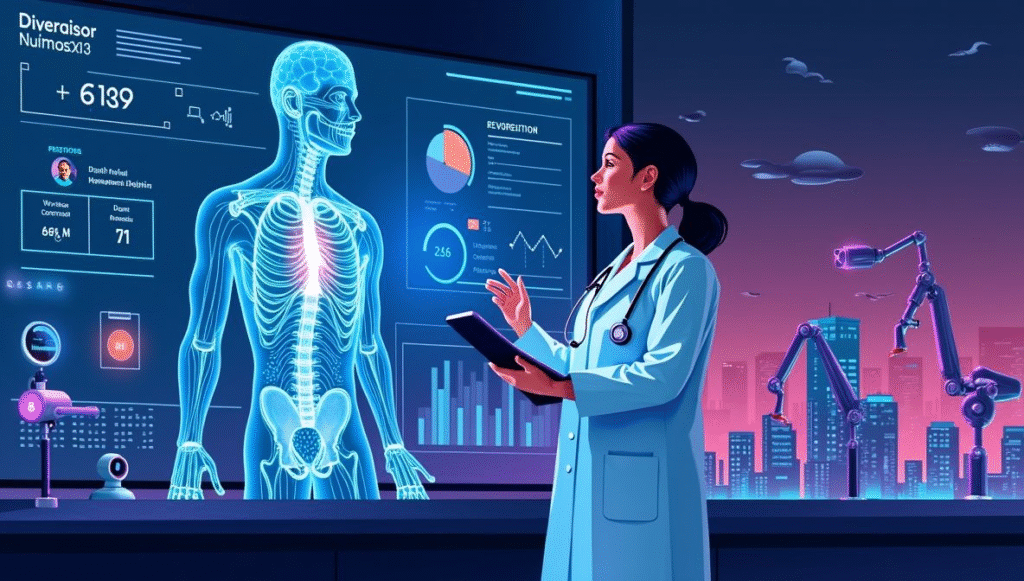
AI and automation tools continue to roll out across the healthcare sector, with the goal of relieving administrative burdens, fortifying balance sheets and freeing up provider time for better patient care. AI stands to accelerate drug development, inspiring deeper collaboration between technology and pharmaceutical companies. At the conference, Nvidia and Eli Lilly announced a landmark partnership to build an AI drug discovery lab intended to unite top talent in the fields of pharmaceutical research and computer science.
Keynote addresses from senior government officials made the case for greater data integration in the public sector, as well as the launch of a “health tech ecosystem” that can provide Medicare enrollees easier access to innovative health technologies. Technology-enabled care continues to be a priority, with virtual care growing in fields like chronic care management. Government organizations aim to move faster in 2026, focusing on digital-first solutions across drug development, data management and diagnostics. All serve to set up 2026 as the year that technological achievements in healthcare take a visible leap forward.
“This year’s conference was characterized by extensive discussion regarding new AI entrants and the evolving competitive landscape,” said Alexei Gogolev, senior analyst covering mid & small-cap vertical software and internet infrastructure at J.P. Morgan. “While recent headlines have highlighted the potential for disruption, companies in our coverage flag that their models are trained on billions of proprietary clinical and administrative data, enabling more accurate, context-aware AI solutions that are deeply embedded in the healthcare workflows.”
The shifting sands of healthcare coverage
The political battle over expiring ACA subsidies, the Trump administration’s proposed outline for healthcare and the ongoing political question of what Medicaid and Medicare will (and will not) cover all make 2026 a year of potential upheaval. In response, health systems report prioritizing resilience and adaptability to weather any upcoming changes. Meanwhile, the U.S. system faces long-term challenges like nursing and provider shortages, high turnover, unreliable care for rural populations and an aging population. Time will tell how these acute and chronic pressures influence policy and practice in the year ahead.
Join the Next Generation of Medical Discovery

The next chapter in medicine is being written right now — and you could help write it.
Are you passionate about advancing medical sciences? Can you see yourself diagnosing with AI, assisting in robotic surgery or designing the next personalized gene therapy? If so, the are designed for you.
Learn from UF’s expert faculty and discover the science behind today’s biggest breakthroughs, from genomics to neurophysiology. Build the foundation to shape the future of healthcare. Study on your terms, whether that’s from your favorite desk at home, abroad or between shifts.
Interoperability 3.0: From APIs to Unified Health Data Clouds
The promise of seamless data sharing is finally real, and it took abandoning everything we thought we knew about integration. Instead of building millions of connections between systems, healthcare created shared spaces where data lives once and gets accessed by whoever needs it. Your cardiologist in New York sees the EKG from your vacation emergency in Florida instantly. Your pharmacist knows about the procedure you had this morning before you walk in tonight. Insurance companies can verify coverage in seconds, not days. Organizations finally agreed that hoarding data was killing patients and profits. The new architecture doesn’t push information between systems; it creates neutral zones where everyone brings their data and takes what they need. FHIR became the common language, but the real innovation was treating health data like a shared resource rather than organizational property.
Green HealthTech: Sustainable Infrastructure & Carbon-Neutral Hospitals
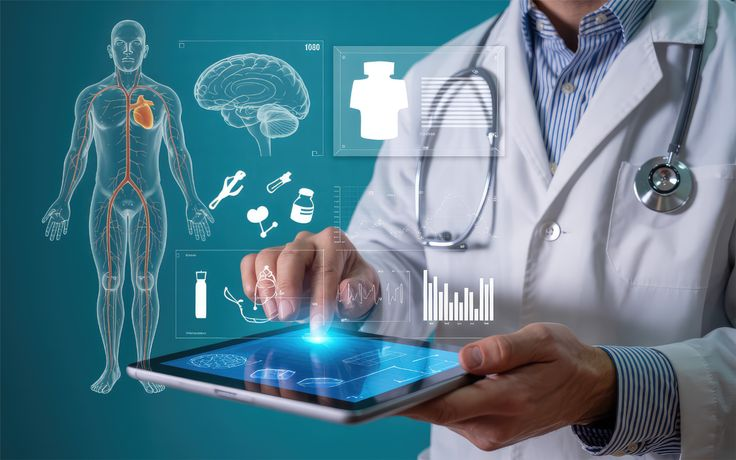
Healthcare generates more carbon than aviation, and technology is both villain and hero in this story. Those server farms running 24/7 to store decades of medical images? They’re consuming more power than small cities.
But 2026’s green revolution in HealthTech isn’t just virtue signaling – it’s operational necessity as energy costs skyrocket and regulations tighten. Edge computing processes data locally instead of shipping everything to power-hungry clouds. AI optimizes HVAC systems that account for 40% of hospital energy use.
Digital tools eliminate millions of printed pages, reducing both paper waste and the energy needed to move physical records around. The dirty secret? Sustainable technology often performs better – less heat generation, fewer failures, lower operational costs.
Mental Health Tech & AI-Driven Emotional Analytics
The mental health crisis met its match in technology that doesn’t judge, never closes, and costs pennies per interaction. Your watch detects stress patterns that predict panic attacks and guides breathing exercises before they hit. AI therapists trained on millions of sessions provide cognitive behavioral therapy that actually works – not because they’re better than humans, but because they’re available at 3 AM when the crisis hits. Voice analysis during regular calls may able to detect sorrow with higher accuracy. The ethical debates rage – should employers know their workers are struggling? Can AI force interventions? But while ethicists debate, the technology is preventing suicides, catching PTSD early, and providing support to millions who’d otherwise suffer silently.
Technology-powered preventive medicine

The idea of disease prevention in healthcare has always been a central goal, but only recently has it truly come to fruition with technological advances. Now, various technologies are making preventive care more effective, with AI leading the charge. helps medical professionals spot patterns in patients’ health states early and accurately determine patients’ conditions. Furthermore, AI is used to based on comprehensive data analysis and provide treatment suggestions before problems arise.
Looking ahead, preventive medicine will likely become the cornerstone of modern medicine, synergizing with other healthcare trends we touch upon.
Pharma D2C solutions
In 2026, pharmaceutical companies will explore the new D2C (direct-to-consumer) business model that allows them to bypass traditional distribution channels. A big driver for this transformation is the focus on personalized care, as with D2C solutions, pharmaceutical companies can offer tailored treatments, track medications’ side effects, and adjust therapies more effectively.
We recommend exploring the D2C model in 2026, as it opens up new revenue streams, increases brand loyalty, and improves patient engagement. For example, with a medicine delivery app created by Innowise, our managed to grow revenue by 17% and boost operational efficiency by 35%.
Use Cases: Citizen Development in Action
1. Customized Patient Intake Forms: Hospitals and clinics often use generic patient intake forms, which may not suit every department’s needs. Citizen development allows healthcare workers to create tailored forms that capture the data needed for specific cases, improving the quality of care and patient experience.
2. Telehealth Appointment Scheduling: With the rise of telemedicine, efficient scheduling systems are critical. A hospital administrator could use a no-code platform to design a scheduling app that integrates telehealth appointments with in-person visits, ensuring smoother operation and resource allocation.
3. Patient Care Tracking: Nurses could build a mobile app that tracks patients’ vital signs and progress throughout their hospital stay. This real-time data monitoring could trigger alerts for abnormal readings, ensuring timely interventions and improving outcomes.
4. Pharmacy Workflow Automation: Pharmacists could use citizen development to create apps that manage medication inventory, automate prescription renewals, and track medication dispensation. Doing so would reduce errors, improve efficiency, and ensure compliance with regulatory standards.
5. Clinical Trial Management: Healthcare researchers could build apps to manage participant enrollment, monitor progress, and analyze results. With these custom applications, citizen developers can create tailored workflows to meet the unique needs of each trial, reducing administrative load and improving data accuracy.
Blockchain for Secure Healthcare Data Management

As healthcare digitizes, managing and securing vast amounts of sensitive patient data becomes critical. Blockchain technology emerges as a powerful solution to address these concerns. By 2026, Its decentralized nature enhances security and efficiency in healthcare information management, reducing the risk of data breaches and unauthorized access.
The Future of Blockchain in Healthcare
As blockchain technology continues to evolve, its role in healthcare will expand. In the future, we expect blockchain to be integrated with other emerging technologies, such as artificial intelligence (AI) and the Internet of Medical Things (IoMT), to enhance patient care and healthcare management further.
- Blockchain and AI: AI algorithms could analyze the vast amounts of data stored on blockchain networks, providing healthcare providers valuable insights into patient health and treatment outcomes.
- Blockchain and IoMT: Integrating blockchain with connected medical devices (IoMT) could enable more secure and efficient management of the data collected by these devices, ensuring that patient health information remains private and tamper-proof.