
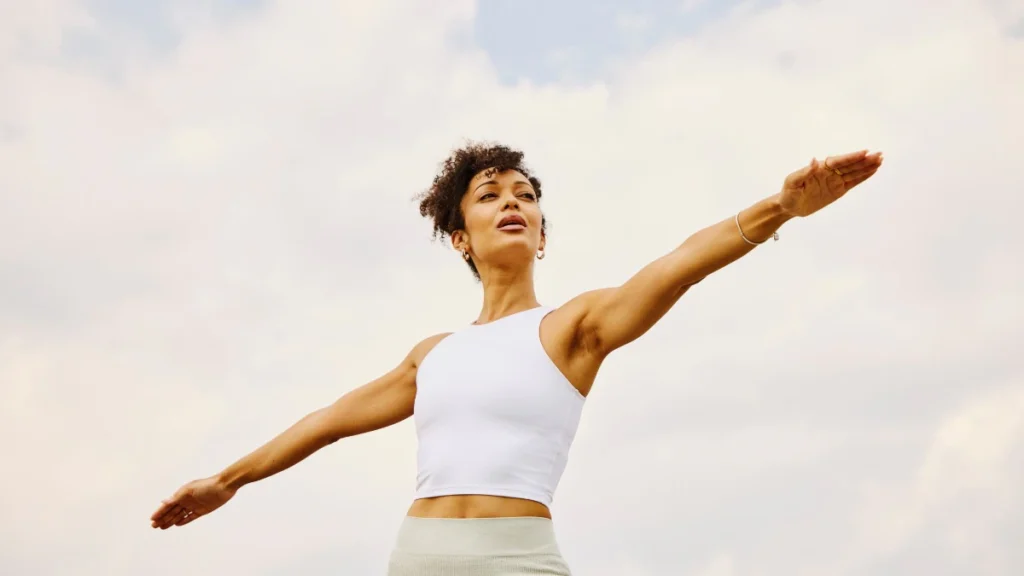
Longevity will move in other bold directions. “Longevity Residences” investigates how it’s moving out of clinics and resorts and into the home, with a new wellness real estate category that supports longer, healthier lives through preventive medicine and diagnostics, biohacking, AI-enabled health tracking and more. “Skin Longevity Redefines Beauty” argues that the traditional focus on anti-aging is shifting. Innovations in skin longevity and regeneration will introduce a new era of beauty that merges cutting-edge biotech, AI, skin diagnostics and new active ingredients.
Wellness Tackles Major Environmental and Human Crises
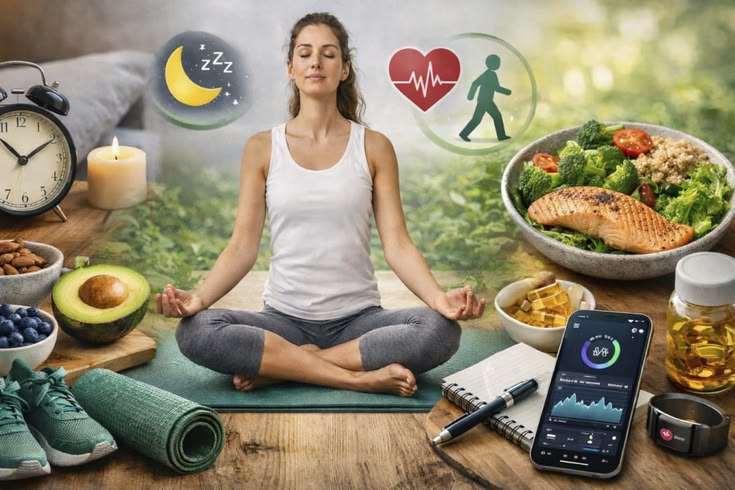
In our age of multiple crises, from terrifying climate events to brains barraged by bad news, crisis management becomes a pillar of wellness. “Ready Is the New Well” predicts that if wellness always promised prevention, the next wellness wave is about survival itself, where having a disaster plan becomes as essential as having a fitness plan. “Tackling Microplastics as a Human Health Issue” provides a deep scientific overview of how microplastics are present throughout the human body and increasingly linked to serious health issues. If we’ve had decades of false wellness “detox” rhetoric, the microplastics threat looks to be real, and in 2026, public health and the wellness market will move from awareness to action. With modern, digital life keeping our nervous systems in a state of fight-or-flight, “The Rise of Neurowellness” explores how regulating the nervous system is wellness’ next frontier, deploying everything from new consumer neurotech to somatic practices to calm our nervous systems before breakdown occurs.
This is the only wellness trends report based on insights from hundreds of health and wellness experts that gather each year at the Global Wellness Summit. Each trend is packed with new ideas, sub-trends and examples of the companies blazing these new trails.
Modern life keeps the nervous system in a near-constant state of activation, and neurowellness is emerging as a critical new frontier in health focused on regulation, recovery and resilience before breakdown occurs. The nervous system today is overwhelmed by nonstop digital stimulation, blurred work boundaries, artificial light, social media and global uncertainty—trapping many people in chronic low-grade fight-or-flight. This state contributes to poor sleep, anxiety, inflammation, hormonal imbalance, cognitive fog, weakened immunity and accelerated aging. Neurowellness responds by shifting care upstream, drawing on neuroscience, behavioral science, somatic practices, sensory design and consumer neurotechnology to train the nervous system rather than treat disease. Unlike traditional brain or mental health care, it focuses on building capacity and flexibility before pathology appears, supporting whole-body health in daily life. Often grounded in accessible, repeatable practices, neurowellness is rapidly expanding beyond individuals into hospitality, real estate, corporate wellness, consumer tech and longevity, with AI accelerating personalization and regulation—helping people move through modern life without living permanently in survival mode.
Wellness has always promised protection—from disease, from burnout, from the slow erosion of mental health. But the next wave of wellness will promise something different: survival itself. Just as preventive medicine once transformed healthcare, disaster readiness is becoming the next evolution of everyday resilience, where having a disaster plan is as essential as having a fitness plan. This shift connects mental health, physical readiness, and community interdependence into one continuum of care. The implications for the global wellness economy are vast. Gyms and fitness studios will double as emergency shelters; wellness retreats will teach readiness; and demand for disaster-proof architecture will surge. But perhaps the greatest opportunity lies in the industry’s ability to hold both sides of the psychological spectrum at once—supporting people who live in chronic fear of what might happen, while also caring for those navigating the emotional fallout of what already has. As disasters become inescapable, the most forward-thinking companies will prioritize practical, proven solutions that put people’s minds at ease
Beauty Meets Wellness
The line between looking good and feeling good is disappearing. Gen Z consumers now rank appearance as their third-highest wellness priority, up from sixth place just two years ago.
This trend manifests in several ways. Ingestible beauty supplements like collagen gummies and biotin tablets are gaining popularity. More consumers are seeking preventative cosmetic procedures at younger ages. Beauty products increasingly feature active wellness ingredients like CBD and arnica for their health benefits.
Social media has accelerated this trend, with younger consumers more likely to purchase beauty-wellness products after seeing them online.
The line between looking good and feeling good is disappearing. Gen Z consumers now rank appearance as their third-highest wellness priority, up from sixth place just two years ago.
This trend manifests in several ways. Ingestible beauty supplements like collagen gummies and biotin tablets are gaining popularity. More consumers are seeking preventative cosmetic procedures at younger ages. Beauty products increasingly feature active wellness ingredients like CBD and arnica for their health benefits.
Social media has accelerated this trend, with younger consumers more likely to purchase beauty-wellness products after seeing them online.
In-Person Wellness Experiences Are Back
After years of digital fatigue, consumers are craving real-world wellness experiences. McKinsey’s research shows that 56% of in-person service purchasers traveled two or more hours specifically for wellness retreats, and nearly 60% plan to do so again.
Thailand wellness retreats have become particularly attractive destinations for those seeking authentic healing traditions combined with modern spa amenities. The appeal lies in experiences that offer genuine cultural immersion alongside therapeutic benefits.
Yunomori Onsen & Spa exemplifies this trend perfectly. As Southeast Asia’s first authentic Japanese onsen, Yunomori blends time-honored Japanese thermal bathing traditions with Thai healing culture. With locations in Bangkok (Sukhumvit and Sathorn), Pattaya, and Singapore, this wellness spa offers urban dwellers an accessible escape from city life.
The experience combines mineral-rich onsen baths known for their therapeutic thermal effects with traditional Thai and aromatherapy massage treatments. Benefits include stress relief, detoxification, and deep muscle relaxation. For those interested in authentic thermal therapy without traveling to Japan, Yunomori provides a genuine onsen experience right in the heart of Thailand.
What makes this trend significant is the desire to digitally detox and learn wellness skills that last beyond a single visit, such as meditation techniques, nutritional habits, or relaxation practices.
Start Your Wellness Journey in 2026
The wellness trends of 2026 share a common thread: wellness is becoming a lifestyle, not a luxury. From functional foods that prevent illness to wellness spa experiences that restore balance, consumers are taking a proactive, holistic approach to their health.
These health trends show that feeling good is all about daily choices that compound over time.
Consider which trends resonate with your own health goals. Maybe it’s rethinking your nutrition, prioritizing sleep, or booking that thermal therapy session you’ve been considering. Thailand wellness retreats and authentic onsen experiences at places like Yunomori Onsen offer an accessible entry point for those ready to reset.
Whatever path you choose, 2026 offers countless opportunities to prioritize your well-being.
Personalised Wellness: Tailored, Lifestyle-Led Health
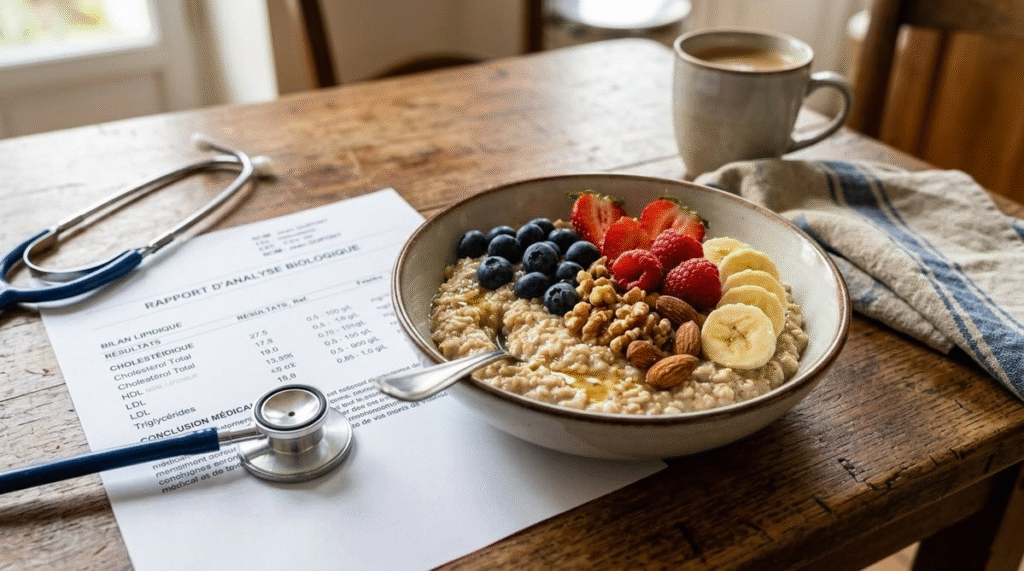
Personalised wellness is stepping into the spotlight. We’re realising our bodies don’t all respond the same way to food, stress or lifestyle changes, so why would our health routines be one-size-fits-all? Looking ahead, we want support that fits us, not the other way around.
Personalised nutrition, considers diet, the gut microbiome and metabolic responses, and outperforms general dietary advice across key health markers.
The Future of Wellness in 2026: Transparent, Evidence-Led, Human
When you put these trends together, health in 2026 are honouring our individuality. They feel calmer, clearer and more credible. You want natural solutions backed by scientific evidence and you’re fostering habits for 2026 that are built to last – no more hype that fades.
And the shifts are unmistakable:
- Smarter collagen replaces cosmetic collagen
- Personalised solutions replace ‘one-size-fits-all’ supplements
- Midlife wellness becomes a leading category
- Evidence-led botanicals replace vague herbal claims
- Sustainable simplicity replaces supplement overwhelm
wellness trends to embrace in 2026
For the painter Yves Klein, “blue has no dimensions, it is beyond perspective”. By this, he meant that blue is the embodiment of freedom, of infinite mental space.
This year, instead of Blue Monday, why not have a Blue Wellday? See it as the beginning of a sensory experience where wellness is no longer a luxury, but part of daily self-care. Choose to take care of yourself holistically.
In the context of wellness, the term “holistic” refers to an approach that considers a person in all their dimensions, rather than treating an isolated symptom or part of the body. Energy, lifestyle, emotions, physical and mental health are all interconnected.
Wellness therapies: the value of prioritising yourself
From seaside thalassotherapy breaks to spa getaways, all the way to the privacy of your own bedroom, wellness is about embracing a holistic philosophy. Each treatment becomes part of a complete reset, through developing profoundly regenerating daily experiences. Thanks to these wellness trends for 2026, you can maintain your physical, mental and emotional balance.
Relax and regenerate with thermotherapy
The two types of thermotherapy are:
- Cold therapy – preferred for muscle recovery and reducing stress levels through the release of hormones (noradrenaline, dopamine and endorphins). Cold baths, cryotherapy sessions, cold plunges… hotels around the world are joining this luxury wellness industry trend.
- Heat therapy – the hissing of stones in a traditional sauna, the enveloping warmth of a hammam, the languor of a hot bath. In addition to being good for your skin, these techniques promote muscle relaxation, cardiovascular health and stress reduction.
While the former stimulates and regenerates, the latter relaxes and soothes. Their effectiveness may depend on how regularly you practise them. Make sure to seek medical advice first if you have heart issues or are pregnant.
Physical exercise: the newer, gentler way to wellness
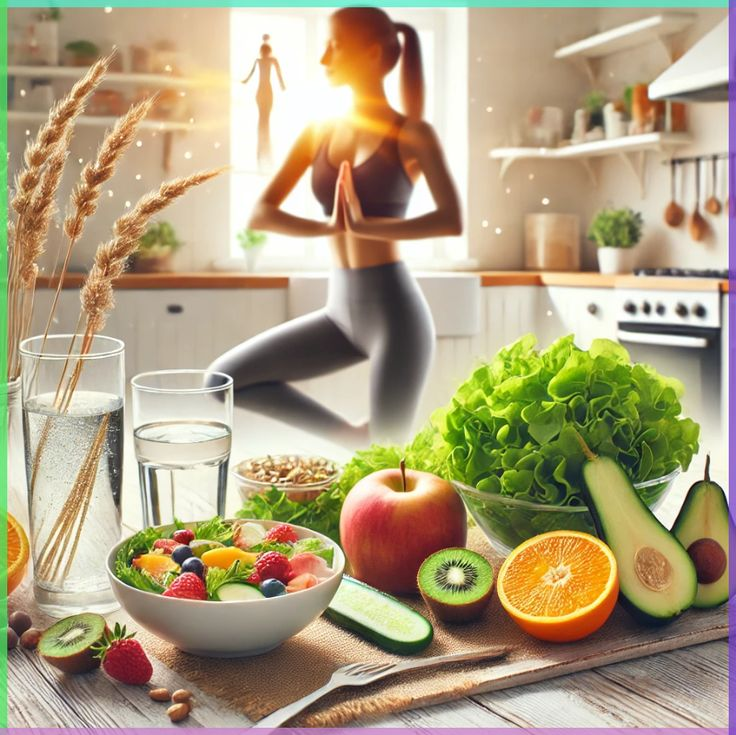

While Hyrox and CrossFit are getting increasingly popular, others prefer to take a gentler approach to their fitness routine. Thanks to these 2026 wellness trends, you can take charge of your body without succumbing to the pressure to perform.
Respect your body
Yoga or Pilates? Good news: you don’t have to choose. Both disciplines offer similar benefits, focusing on deep muscle work and the pursuit of fulfilment. While yoga has a more spiritual dimension, Pilates also allows you to focus on your breathing and reduce stress. In both cases, you allow your body to become more supple while anchoring yourself in the present. Easy to practise in your bedroom or outdoors, they combine an effective
Eat your way to wellness
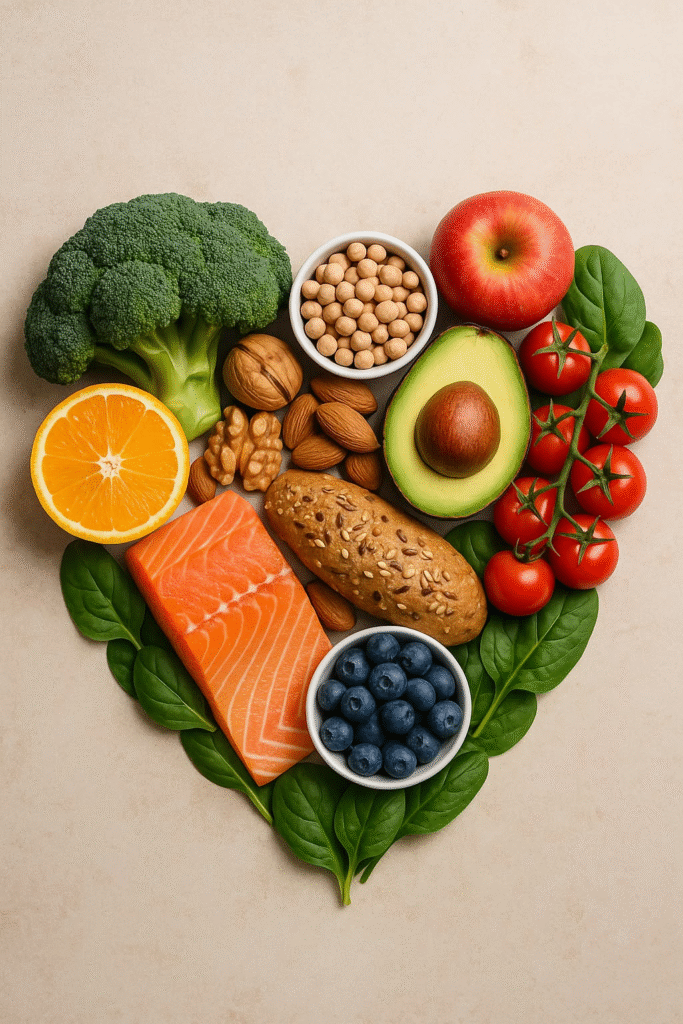
Nutrition is one of the most powerful tools at your disposal. By adopting new eating habits tailored specifically to your needs, you are choosing a natural and profoundly transforming solution. Among the 2026 wellness trends in nutrition you can find:
Balance your diet
It’s time to enjoy your meals, all in moderation. It’s no longer about following strict diets, but choosing foods that support energy, digestion and mental health. Choose healthy fats by favouring recipes rich in omega 3s and omega 9s, found in certain fish, oils, nuts and seeds. Increase your intake of natural antioxidants (red fruits, dark chocolate, tea, etc.) and remember to reduce added salt as much as possible. If you don’t have time to cook, consider taking dietary supplements, as recommended by your doctor or chemist.
At Novotel Thalassa Le Touquet, the healing properties of the ocean are reflected in the dishes. Enjoy healthy, gourmet cuisine that is beneficial to your body all while gazing on a calming seascape.
FAQ’S
1. What is alternative health and wellness?
Alternative health and wellness includes practices outside conventional medical care, such as meditation, yoga, acupuncture, massage, and certain mind-body approaches.
2. What are the top alternative wellness trends in 2026?
Popular trends include mindfulness, yoga, breathwork, acupuncture, holistic nutrition, meditation, stress-management practices, and personalized wellness routines.
3. Is holistic health the same as alternative medicine?
Not exactly. Holistic health focuses on supporting overall well-being, while alternative medicine generally refers to approaches used instead of conventional medical treatments.
4. Can meditation improve overall wellness?
Meditation may help support relaxation, stress management, emotional well-being, and better focus when practiced regularly.
5. Is yoga considered alternative health?
Yoga is commonly used as a complementary wellness practice and may support flexibility, physical activity, relaxation, balance, and stress management.