
The automotive industry in 2026 is shifting faster than most companies are prepared for. What used to be gradual innovation is now a rapid transformation driven largely by AI, the rise of electric vehicles (EVs), and increasing pressure to automate operations.
AI is already moving beyond experimentation into real-world use cases like vehicle inspections, claims processing, and predictive maintenance. At the same time, software-defined vehicles (SDVs) are changing how cars function, turning them into continuously evolving systems rather than static products. Add to that the scale of EV adoption and the push toward automation across fleets and operations, and the industry is becoming far more software– and data-driven than ever before.
For insurers, fleet operators, and automotive businesses, this isn’t just about keeping up with trends; it’s about understanding which technologies will actually impact cost, efficiency, and customer experience. In this blog, we break down the key automotive technology trends shaping 2026 and what they mean in practice
What are the latest advancements in vehicle technology?
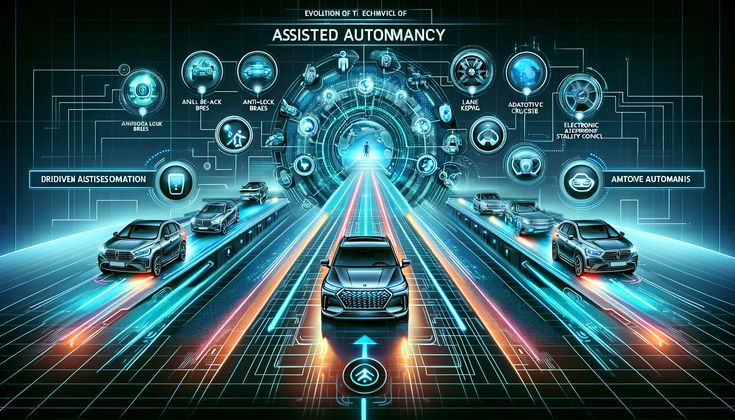
Beyond individual trends, the automotive industry is seeing deeper technological shifts. Software-defined vehicles (SDVs) are enabling over-the-air updates and new revenue models. Generative AI is being used for diagnostics, customer support, and design optimization. At the same time, advancements in ADAS and autonomous driving technologies are improving safety and driving experience.
These innovations are pushing the industry toward a more connected, intelligent, and software-driven ecosystem.
Predictive maintenance powered by Telematics and AI
Predictive maintenance is moving from theory to execution. By combining Telematics data with AI-powered insights, companies can predict failures before they occur.
When paired with consistent vehicle damage inspection, predictive systems help fleet and repair networks reduce downtime, prevent costly breakdowns, and extend vehicle lifecycles. This shift reduces reactive repairs and enables smarter asset management at scale.
Advanced Driver Monitoring Systems (DMS) gain importance
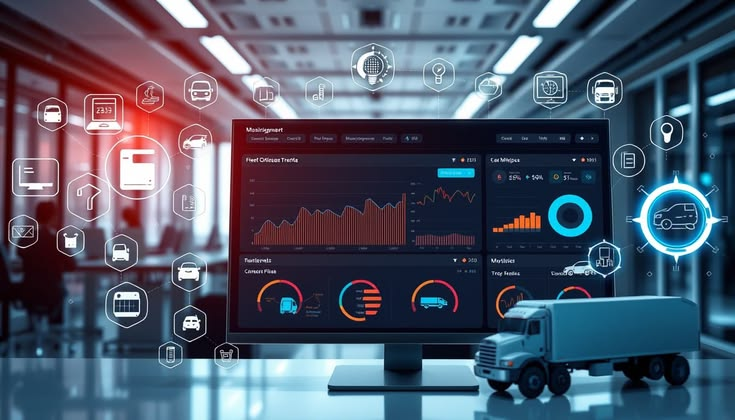
Safety and compliance are under increased scrutiny. Driver monitoring systems that track attention, fatigue, and behaviour are becoming essential, especially for fleet operators.
While DMS focuses on drivers, its effectiveness increases when combined with structured vehicle inspection data. Together, they provide a holistic view of risk across both vehicle condition and driver behaviour.
Fleet and Rental companies accelerate the shift to EVs
Electric vehicles are becoming central to cost-saving and sustainability strategies across fleet and rental operations. However, EVs also introduce new challenges around condition tracking, maintenance, and safety monitoring.
Regular inspections, supported by advanced vehicle damage detection systems, help identify early issues such as battery housing damage, underbody wear, and structural stress, critical factors for EV safety and long-term performance.
As EV adoption grows, digital vehicle workflows will play a key role in ensuring fleets remain efficient, compliant, and operational at scale.
Future Trends in the Automotive Industry: 2026 Outlook
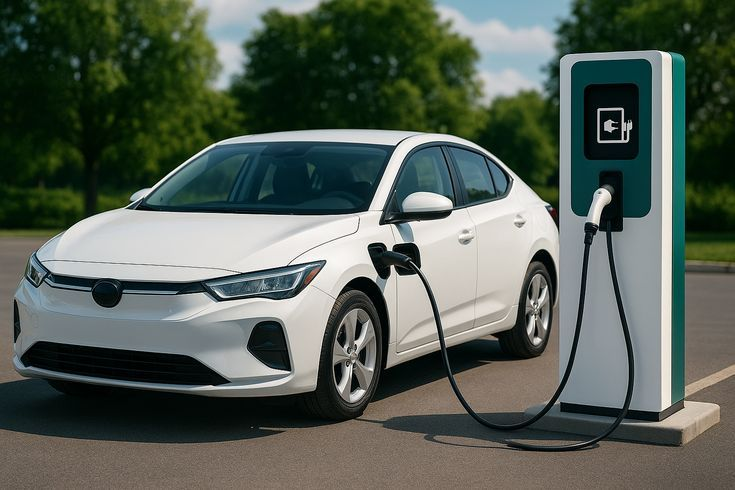
In 2026, electrification and software integration will have an essential impact on the automotive industry. We expect to see the following automobile trends next year.
1. Electric Cars.
In recent years, the worldwide shift to electric cars has been one of the most prominent trends in automobile industry. Environmental factors have driven the growth of zero-emission vehicle technology, and the popularity of cleaner and more environmentally friendly electric vehicles (EVs) and hybrid electric vehicles (HEVs) has increased. The battery technology and charging infrastructure required for electric vehicles are also evolving—for example, lithium-ion batteries that have certain limitations can now be replaced by solid-state batteries that have higher energy density, are safer, more stable, and cost-effective
2. Software-Defined Vehicles.
Software-defined vehicles are those that use software to conduct all operations (braking, driving, steering, providing infotainment, etc.). This software should be regularly updated to let users take advantage of the latest technological advancements and enhance vehicle performance. This trend is gaining traction in 2026: at the recent Consumer Electronics Show, the event that showcases technological innovations across industries, software-defined vehicles were in the limelight. This means that automotive manufacturers will be producing more SDVs in the years ahead. For example, Honda is going to partner with Amazon Web Services to improve data collection and software updates and in such a way speed up the transition to SDVs.
3. Self-Driving Vehicles.
Innovative manufacturers take considerable interest in the potential of autonomous driving technology since it opens new opportunities for business growth. Up-to-date, autonomous vehicles are in the early stage of development: among the 6 levels of driving automation, there are only Level 3 (conditional automation) and some Level 4 (high driving automation) vehicles available in some regions.
4. Alternative Fuels.
This is one of the new trends in automotive industry, which is to some extent in conflict with electrification. However, there are still a great number of fuel-driven cars, and despite the shift to producing electric vehicles, some car manufacturers don’t want to use batteries in their automobiles for some reason. So, the so-called e-fuels become a greener alternative to traditional fuel, which is also used beyond the automotive industry.
5. Automotive Supply Chain Issues.
The automotive industry is one of the most severely affected by supply chain disruptions. Currently, its greatest challenge is uncertainty and instability, which are expected to persist this year. This is explained by several factors.
Car repair and maintenance trends in 2026
Vehicle repair and maintenance are becoming more data-driven and automated. AI-powered inspection tools are reducing manual errors and speeding up damage assessment. Predictive maintenance systems are helping fleet operators identify issues before breakdowns occur, reducing downtime and costs. The rapid growth of these technologies reflects the broader increase in AI adoption across vehicle inspection workflows.
In addition, digital workflows and automation are streamlining repair processes, improving efficiency for insurers, repair shops, and fleet managers
Automotive Industry in Transition: Technology Leadership Through Innovation
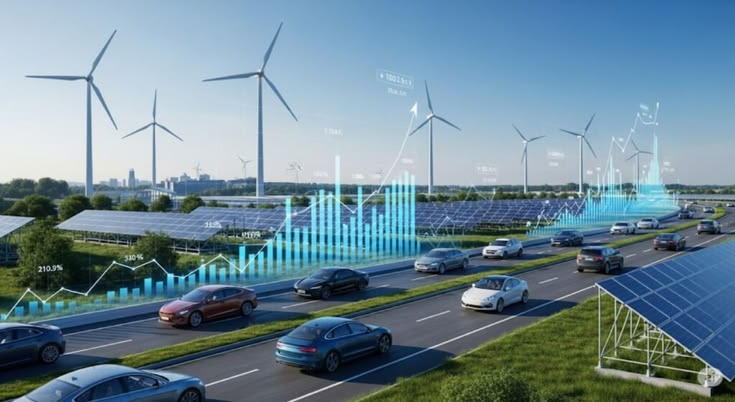
The automotive industry is undergoing one of the most profound transformations in its history in 2026. While electric powertrains dominate the market, AI-driven development processes, digital simulation technologies, and alternative fuels such as hydrogen are simultaneously shaping the future of mobility. This technological revolution requires manufacturers and suppliers to develop entirely new capabilities in product development at Felsaris.
The German automotive market is facing mixed signals. While forecasts for 2026 expect moderate growth of 5 percent, industry experts warn of a decline in new registrations to around 2.5 million vehicles. At the same time, the global market for software-defined vehicles is reaching a volume of 287.64 billion US dollars. These figures show that the automotive industry is not only electrifying, but also undergoing a fundamental digital transformation.
Electromobility as the Driving Force of the Transformation
Electromobility has evolved from a niche segment into the market standard. Battery electric vehicles (BEVs) are expected to account for 25 percent of new registrations in 2026. This development forces automakers to make fundamental changes to their production lines and development processes.
The VW Group is launching a true product offensive with small electric cars such as the Cupra Raval, VW ID. Polo, and Skoda Epiq, which are expected to achieve a range of around 450 kilometers. Premium manufacturers such as BMW and Mercedes are bringing completely new models to market that are based on dedicated electric platforms and promise ranges of more than 800 kilometers.
This development presents engineers with new challenges. Battery management, thermal optimization of electrical systems, and the integration of complex software architectures require specialized simulation methods and precise development tools. CFD analyses for cooling electric motors and batteries are becoming just as important as aerodynamic optimization for maximum range.