

At times it can be challenging to understand what exactly your skin needs to remain healthy and nourished. Many beauty routines are hyped by social media influencers and cosmetic companies to promote their products, hence there is a mammoth of information bombarding the internet, and a lack of clarity about what exactly would be suitable for your skin. With this being said, for most of us, the ultimate quest to get clear skin still remains.
What Is Clear Skin?

Having clear skin means having a naturally radiant and even skin complexion that is free from scars and blemishes. Moreover, clear skin is also free from acne and pimples.
Sounds like a dream, right? Well, it’s indeed very difficult to have clear skin all the time. In fact, it helps to embrace those tiny scars and spots that appear on your skin from time to time. Aspiring for perfectly smooth, radiant, and clear skin might make you obsess over it negatively.
It also helps to remember that while some people are naturally gifted with clear skin, others might need to put in that extra work. Various factors like exposure to dirt and pollution, genetic factors, lifestyle and diet, and your cosmetic products’ quality determine your overall skin complexion. One or more of these factors could be the reason you struggle to maintain clear skin.
One thing that remains in our hands is the ability to take good care of our skin. We can see our skin becoming clearer when we start following a healthy skincare regime.
The following are some of the tips based on recommendations from the top dermatologists and from research and studies conducted on ‘How to get clear skin’.
1. Wash your face twice a day with a mild cleanser
Do you know that our face is exposed to bacteria, dust, pollutants throughout the day? Washing your face helps by preventing these elements from harming your skin. Moreover, if you frequently face breakouts or have oily skin, you must stick to the routine of washing your face in the morning and evening.
A study was conducted, focused majorly on face washing. In the study, the participants were instructed to wash their faces once, twice, or four times daily for six weeks. By the end of the study, it was reported that the participants who washed their face twice daily experienced a significant reduction in the acne lesions than those who washed their face once a day.
While washing your face, it is best to use a cleanser that is mild and doesn’t contain an excess of ingredients or chemicals and is fragrance-free. When it comes to cleansers, it is best to keep it simple, as another study revealed no extra benefit of using cleansers with too many ingredients. We strongly recommend using natural face cleansers.
2. Moisturize Daily

Now, you might be wondering, what role does pasteurization play in helping you achieve clear skin? Well, moisturizing is an essential step in maintaining suppleness and providing the necessary nourishment to the skin’s healthy cells. This secures your skin from dryness, irritation, and resultant breakouts. When your skin is dehydrated it tries to compensate for the dryness by producing more oil. And then what happens next? Breakouts.
Similar to cleansers, it is not at all necessary to purchase moisturizers that are loaded with ingredients. Look out for non-comedogenic moisturizers so that your pores remain unclogged. Those who have oily skin should opt for moisturizers labeled as ‘lightweight’ so that you don’t feel that heavy, greasy texture on your skin. It is also suggested to switch to heavier moisturizers during winters since the air’s coldness and dryness leave the skin tight and dried out.
3. Use sunscreen
Sunscreen isn’t to be applied just during summers. Your skin needs protection every day, including winters and even those times when you are indoors. Does your face become extra oily on the application of sunscreen? Then, opt for one that reduces the oiliness so that your face remains matte and free of pimples.
Ensure that your sunscreen has a good amount of SPF (at least 20+) and is lightweight. Prefer the ones with a PA++ rating, as they protect you from both UVA and UVB rays while also guarding your skin against sunburns and wrinkles.
Wash your face twice a day
If you’re prone to breakouts or have oily skin, don’t skimp on washing your face as part of your morning and evening skin care routine.
that focused specifically on face washing, participants were asked to wash their face one, two, or four times a day for a six-week period.
At the end of the study, there was a significant improvement in the acne lesions of those who washed their face twice a day. The participants who only washed their face once a day had the greatest increase in pimples.
Use a mild cleanser
The aisles at most drugstores are packed with all sorts of facial cleansers. Trying to figure out which one is right for you can be overwhelming.
When it comes to choosing the “best” cleanser, fancier may not necessarily be better.
A systematic review
of 14 studies found that there really isn’t much difference in skin breakouts, no matter what type of cleanser you use.
The studies included everything from cleansing bars and antibacterial soaps to cleansers that contained alpha and beta hydroxy acids.
While this may be disappointing if you’ve spent a lot of money on an expensive cleanser, the takeaway here is that keeping it simple is probably best.
A mild cleanser without a lot of ingredients and fragrances can work just as well as more expensive options.
Apply an acne-fighting agent
According to the American Academy of Dermatology (AAD), many topical therapies can help fight acne. The key to finding the most effective one for you is knowing what type of acne you have.
Depending on the type of acne you have, the AAD recommends the following:
- Comedonal acne (blackheads and similar bumps). Look for products that contain retinoids like adapalene gel (Differin).
- Mild acne. Topical benzoyl peroxide can help fight mild acne, either on its own or together with a topical retinoid.
- Inflammatory acne. Topical dapsone 5 percent gel is recommended, particularly in adult females.
- Acne with scarring. Azelaic acid preparations can help reduce acne and the risks of acne scarring.
If you want to simultaneously target different types of acne, the AAD recommends using a combination of benzoyl peroxide, retrain, or adapalene gel.
Using these treatments together may dry out your skin, so be sure to use a moisturizer to keep your skin hydrated.
Apply a moisturizer
How does a moisturizer help keep your skin clear? Well, if your skin is excessively dry, it may try to compensate for the dryness by overproducing oil. The result? Breakouts.
Like cleansers, moisturizers don’t have to be expensive or filled with fancy ingredients. More importantly, look for a moisturizer that’s noncomedogenic. This means it won’t clog your pores.
If you have oily skin, moisturizers labeled “lightweight” may be best to prevent a heavy, greasy feeling.
Some people find they have to switch to heavier moisturizers during the winter months when cold, dry air can leave skin feeling tight and dried out.
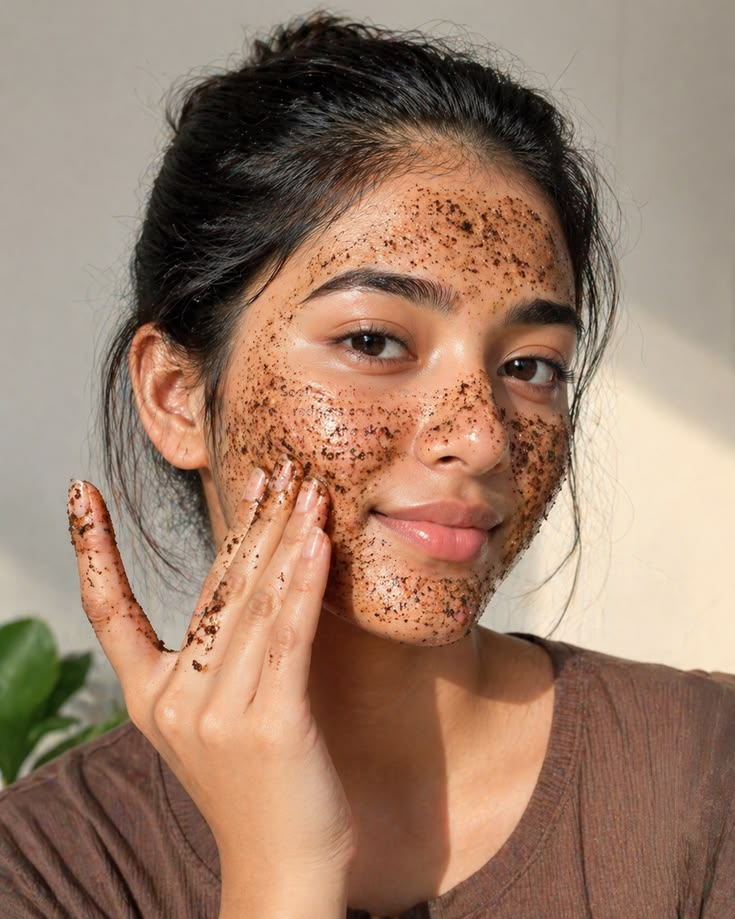
Exfoliate
Exfoliation can help remove excess dead skin cells. If these cells stay on your skin for too long, they can clog your pores and lead to breakouts.
Having a buildup of dead cells on your face may also make your skin look dull, flaky, or prematurely aged.
The following exfoliation methods may help clear away dry and dead skin:
- a 2 percent salicylic acid mask
- a 10 percent or less glycolic acid mask or lotion
- a motorized facial brush
How often should you exfoliate? It really depends on the type of exfoliation you use.
For chemical exfoliants, like masks or lotions, aim for once or twice a week. For physical exfoliants, like scrubs or brushes, aim for three or four times a week.
Start with fewer exfoliating sessions and work your way up to prevent over-exfoliating.
If you have inflammatory acne (pustules and cysts), the AAD recommends that you talk to your dermatologist first, as some types of exfoliation may make inflammatory acne worse.
How to get clearer skin
All treatment for acne is aimed at preventing inflammation and reducing breakouts before they happen.
Claudia Hernandez, MD, a dermatologist at Rush University Medical Center, offers these 12 tips to help you achieve clearer skin — and banish blemishes when they do appear:
1. Keep your face clean.
Wash your face once or twice a day with an over-the-counter benzoyl peroxide face wash.
This reduces inflammation and kills bacteria associated with acne formation. And make sure to remove all makeup and dirt so it doesn’t build up and clog your pores.
A very rare side effect of benzoyl peroxide is allergic contact dermatitis, so stop using the face wash if you develop a new rash.
2. Don’t scrub with a washcloth …
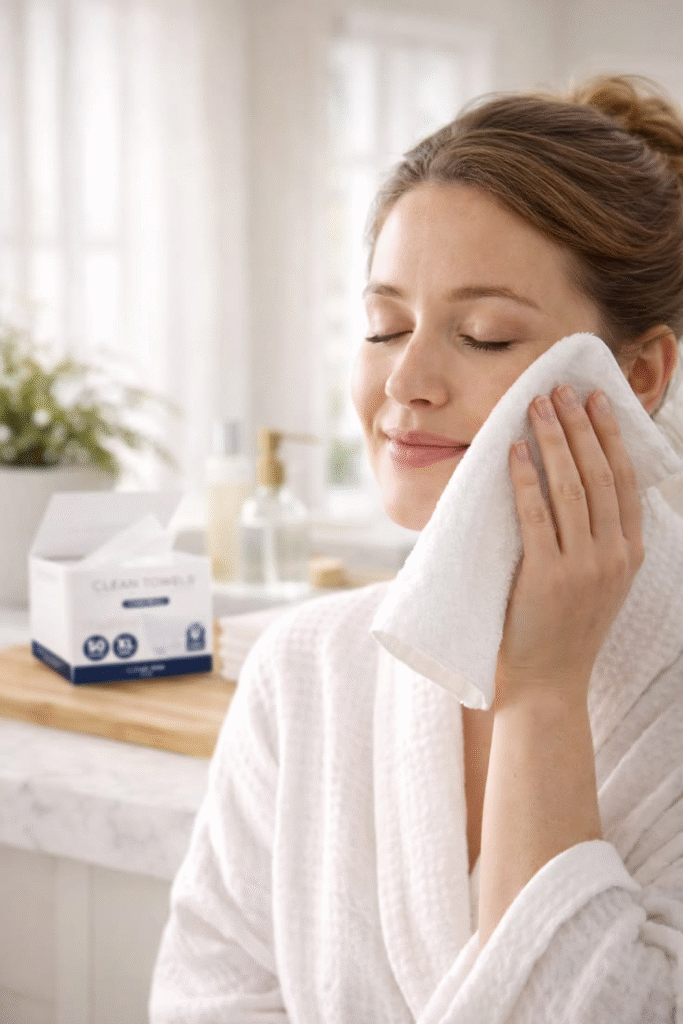
Use your hands to clean your face, and pat your skin dry with a clean towel instead of rubbing it dry. Scrubbing can actually promote more acne.
3. avoid exfoliating brushes.
While commercials tout the benefits of these brushes, avoid them if you have acne. Studies suggest they can actually worsen acne. That’s because the exfoliation causes more inflammation, resulting in more acne bumps.