
Most new year fitness resolutions fall apart because they demand too much change at once. The plan feels exciting in January, then heavy by February. When goals are too big or not clearly structured, your body and brain struggle to repeat them long enough to create a habit.
Small, repeatable actions are different. They fit your schedule and let your body adapt at a pace you can manage. Starting with small, realistic changes gives you a better chance of sticking with new habits. Each win builds confidence, so you show up again without the pressure of chasing a perfect streak.
This list focuses on practical and realistic goals you can return to all year. They help you build routines that feel doable on busy days and rewarding on strong days. Instead of forcing a complete overhaul, you’ll use steps that support consistency and help each workout feel more organized and repeatable.
Try a New Fitness Class or Training Style Each Month

Doing the same workout every week can start to feel automatic. Adding one new class or training style each month keeps you engaged, which makes it easier to keep showing up and gives your body a fresh challenge to which it can adapt.
New environments can also build confidence. When you step into a class you haven’t tried before, you learn how to adjust to different equipment, spaces, and coaching styles. Each time you complete something unfamiliar, you grow more comfortable moving outside your usual comfort zone.
Potential classes to rotate into your month
- Spin – a fast-paced cycling class that challenges your legs and cardiovascular system.
- Reformer Pilates – a controlled, equipment-based workout that can strengthen your core, improve full-body strength, and support better posture.
- CrossFit or introductory CrossFit-style conditioning – combines strength and cardio elements in short, structured circuits.
- Boxing – sharpens coordination and power through punch combinations and footwork drills.
- Mobility flow – focuses on slow, controlled movements that improve joint comfort and range of motion.
Exploring different formats also adds a social element to training. Classes give you a shared space with people who are working toward similar goals, which can make exercise feel more enjoyable and less like a chore. When you look forward to the environment, you’re more likely to stay consistent.
You don’t need to change your whole routine. Keep your main workouts, then replace one session each month with something new. A small dose of variety keeps training interesting and helps fitness stay something you look forward to.
Build a Morning or Evening Fitness Ritual
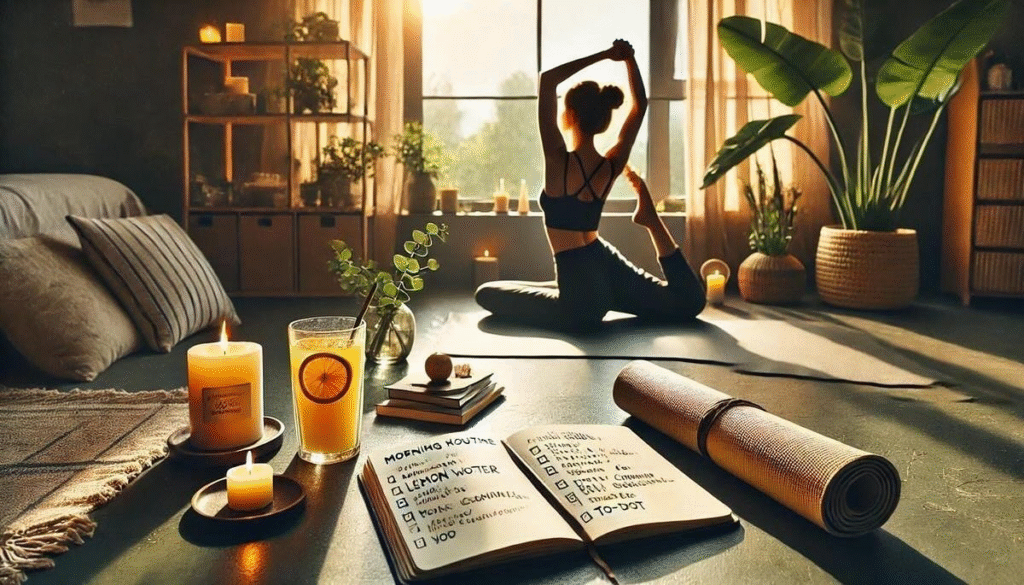
A consistent workout time helps your routine stick because it removes the daily decision of when to train. When your sessions land in the same part of the day, you rely less on motivation and more on habit.
Morning rituals
A morning session creates structure before distractions start. Getting your workout done first means emails, meetings, or errands are less likely to push it aside. Many people also feel more awake after moving in the morning, which can make the rest of the day feel more manageable. According to a study reported by Harvard Health Publishing, people who were regularly more active earlier in the day tended to have better lung fitness and heart health, while still stressing that any time of day is beneficial if you’re consistent.
Evening rituals
If mornings are busy, an evening workout session can work just as well for many people as long as they don’t interfere with sleep. Moving after work helps your body loosen up from sitting and gives your mind a break from the day. Even a short workout can make the transition into your evening smoother and help release built-up tension.
How to anchor the habit
Tie your workout to something you already do. A simple cue makes the routine predictable and easier to repeat. For example:
- Head to the gym right after your first cup of coffee.
- Change into workout clothes as soon as you get home.
- Take a short walk after dinner before settling in for the night.
Repeating the same cue each day helps your workout become automatic, even when your schedule feels full.
Top Fitness Goals to Set for Yourself in 2026

1. Build Consistency in Your Workouts
Consistency is the foundation of all fitness success. Instead of aiming for perfection, set a goal to stick to a regular routine:
Commit to going to the gym 3–4 times per week.
Schedule workouts like any other appointment.
Track your progress in a journal or fitness app.
2. Improve Muscular Strength
- is essential for overall health, injury prevention and metabolism. Consider goals such as:
- Increasing your lifting capacity by a specific percentage.
- Mastering bodyweight exercises like pull-ups, push-ups or squats.
- Working with a personal trainer 1–2 times per week.
Small steps repeated consistently lead to significant improvements
Building strength will make daily activities easier and improve overall physical performance.
3. Enhance Cardiovascular Fitness
Cardio health is key for stamina, heart health and energy. Set goals like:
- Walking 10,000 steps every day.
- Running a 5K, 10K or half marathon.
- Gradually increasing cardio duration or intensity.
- Remember, cardio doesn’t have to mean running—cycling,
4. Prioritize Flexibility and Mobility
Many fitness enthusiasts focus on strength and cardio but overlook mobility. Flexibility goals can improve performance and reduce injury risk:
- Stretch daily or attend yoga sessions weekly.
- Improve your range of motion in key areas like your hips, shoulders and back.
- Learn proper warm-up and cool-down routines.
A more flexible body moves freely, performs better and recovers faster.
5. Focus on Nutrition and Recovery
Fitness isn’t just what you do in the gym—nutrition and rest are just as important:
- Meal prep healthy options for the week.
- Drink more water and reduce sugary beverages.
- Prioritize 7–9 hours of sleep each night.
Fueling your body properly ensures your workouts are effective and sustainable.
6. Set a Personal Challenge
Challenges push you beyond your comfort zone and give you something exciting to work toward:
- Join a fitness competition or charity event.
- Try a new group fitness class.
- Complete a 30-day fitness streak.
Challenges are measurable, fun and incredibly motivating.
7. Improve Balance and Coordination
Balance and coordination are crucial for overall fitness and injury prevention:
- Practice balance exercises like single-leg stands or stability ball routines.
- Incorporate agility drills into workouts.
- Try activities like dance, martial arts or functional training classes.
Better balance improves everyday movement and supports other fitness goals.
8. Increase Mental Resilience and Focus
Fitness isn’t just physical—it’s mental too. Consider:
- Practicing mindfulness or meditation to reduce stress.
- Setting mental challenges, like sticking to a workout streak.
- Learning strategies to stay motivated even on tough days.
Mental resilience helps you push past plateaus and stay consistent long-term.
9. Try Something New Every Month
Variety keeps fitness exciting and prevents burnout:
- Attend a new class each month.
- Try a new sport, like rock climbing, swimming or cycling.
- Explore outdoor activities like hiking or kayaking.
New experiences challenge your body in different ways and keep your routine fresh.
10. Track Your Progress and Celebrate Wins
Monitoring your progress keeps you accountable and motivated:
- Take progress photos or track stats in a journal.
- Celebrate milestones, no matter how small.
- Reward yourself for achieving goals with something meaningful.
Celebrating progress makes staying committed much easier.
FAQs
Which exercises help build strength?
Squats, lunges, push-ups, rows, and resistance training can help develop muscular strength.
What is the best cardio exercise for overall fitness?
Brisk walking, jogging, cycling, swimming, and dancing are effective cardio options.
How can I stay motivated to exercise regularly?
Set realistic goals, choose activities you enjoy, track your progress, and create a consistent workout routine.
What should I do before and after a workout?
Warm up before exercising and cool down afterward with gentle movement and stretching.
Can exercise improve mental well-being?
Regular physical activity can support mood, reduce stress, and contribute to better overall mental well-being.