
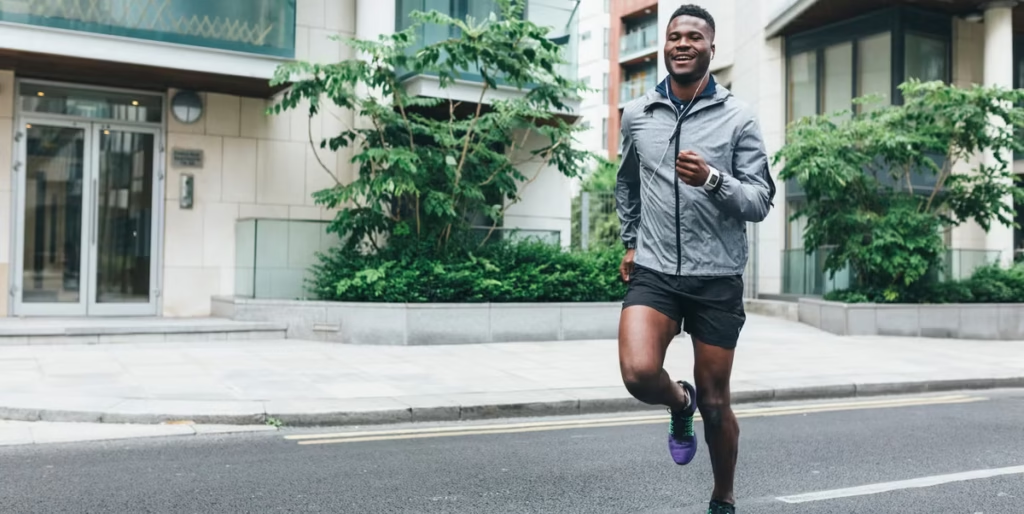
Sports trends don’t appear out of nowhere each year. A few forces drive them: people increasingly value exercise that’s enjoyable rather than punishing, community has become a major draw, and many are hunting for activities they can do without expensive gear. Out of that came the trends gaining momentum in 2026. This isn’t about following the crowd — each one offers something worth trying at least once.
Strength Training for Every Age
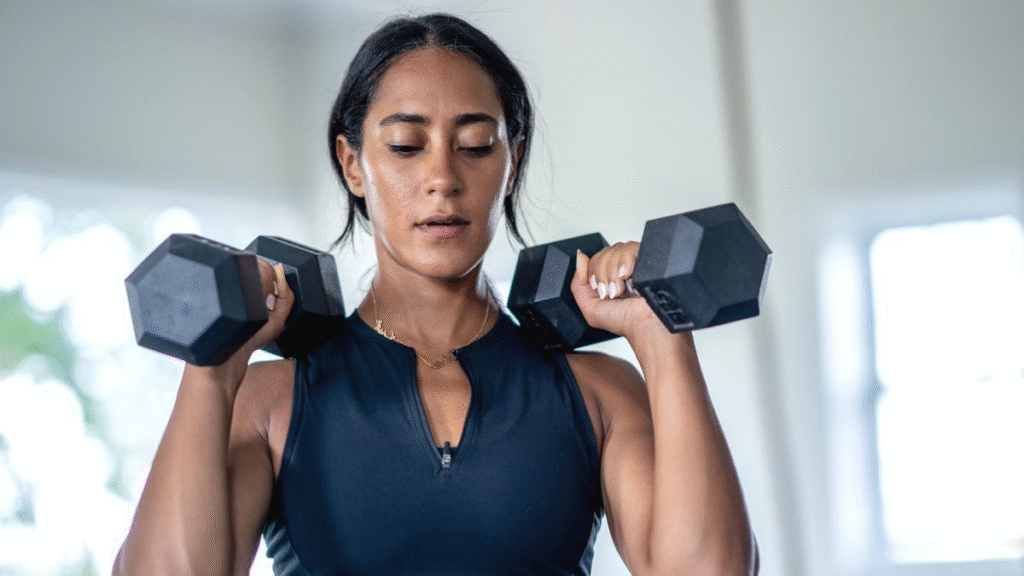
Lifting weights is no longer just for bodybuilders. In 2026, far more people — including women and older adults — recognize the value of building muscle for metabolism, bone density, and long-term quality of life. The focus is shifting from appearance to staying resilient as you age. Basic moves like squats and light lifts are enough to begin — no complicated program required.
Recovery Treated as Equally Important
An interesting shift: recovery is now treated as part of training, not an afterthought. Guided stretching, saunas, cold therapy, and mobility sessions are increasingly sought out by people who understand the body needs to recover to keep moving without injury. Slotting in one recovery session a week often makes your main workouts feel lighter and your progress more durable.
World Athletics Ultimate Championship
The year 2026 introduces a new pinnacle moment on the global calendar. The World Athletics Ultimate Championship will bring the sport’s biggest stars together in a high-stakes, head-to-head format that rewards excellence across a full season. With huge prize money and the very best athletes competing at the same time, it represents a bold new chapter in how athletics presents itself to the world.
World Athletics Cross Country Championships Tallahassee 26
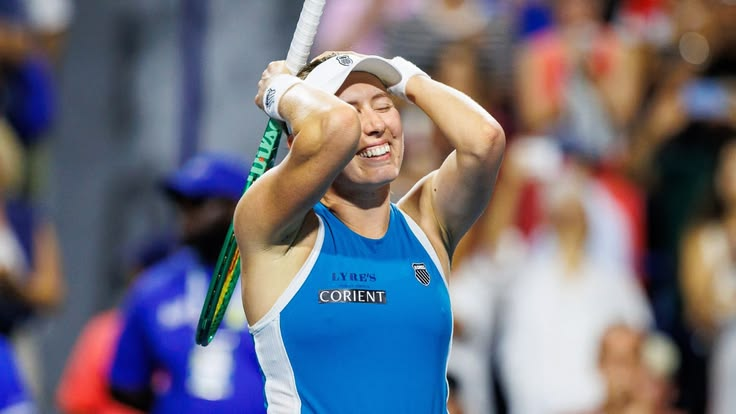
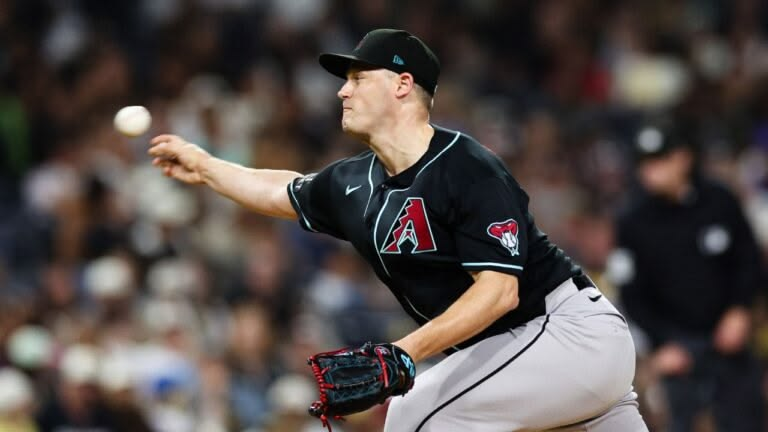
The sport’s fans needn’t wait too long before the first World Athletics Series event of 2026 takes place. In just nine days’ time, the World Athletics Cross Country Championships will once again unite track stars, road runners and emerging talents on a single, demanding course – celebrating endurance, resilience and the shared global language of running. Few events capture the sport’s roots quite like cross country.
A global season powered by one-day meetings
In the absence of a World Championships or Olympic Games, the international one-day circuit takes on added significance in 2026. The Diamond League and Continental Tour Gold series anchor a truly global season, rewarding consistency, encouraging head-to-head racing and allowing storylines to build week by week across continents. Aside from one-day meets, there’s also major events such as the European Championships and Commonwealth Games that will provide much excitement and intrigue during a busy season.
A global season powered by one-day meetings
In the absence of a World Championships or Olympic Games, the international one-day circuit takes on added significance in 2026. The Diamond League and Continental Tour Gold series anchor a truly global season, rewarding consistency, encouraging head-to-head racing and allowing storylines to build week by week across continents. Aside from one-day meets, there’s also major events such as the European Championships and Commonwealth Games that will provide much excitement and intrigue during a busy season.
Seniors drive etrike adoption
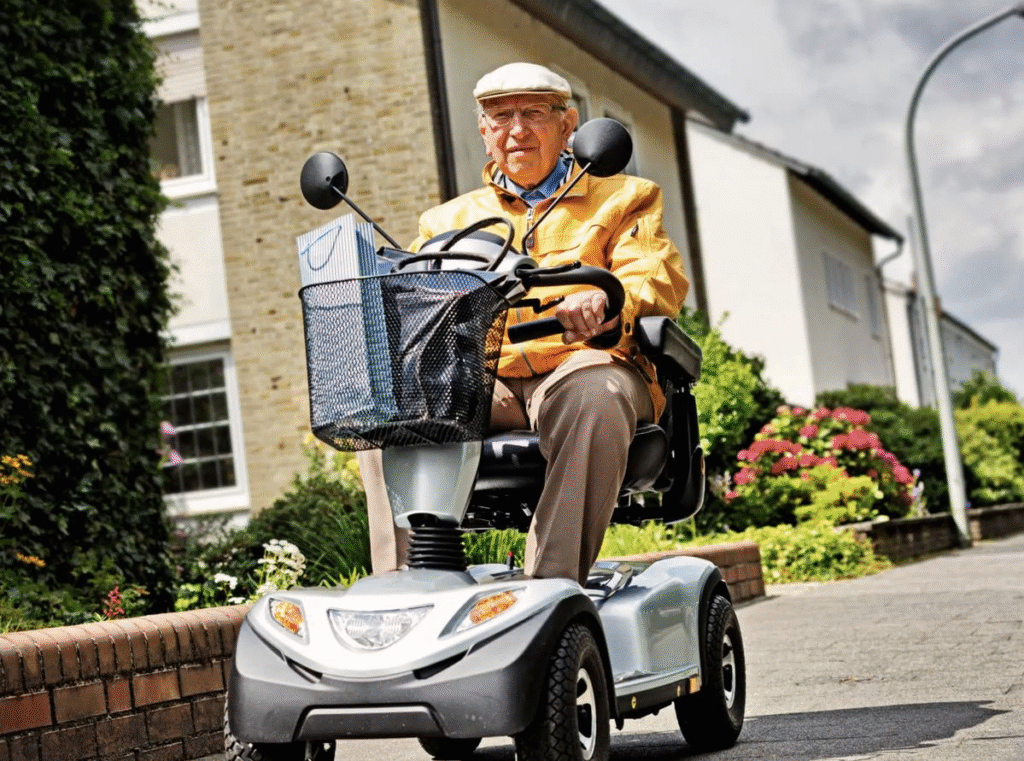
With the Baby Boomer generation now reaching retirement age, a huge number of over-65s are looking for a safe and comfortable way to get around. Many are turning to etrikes.
Electric bikes have taken off over the past few years as a convenient and green way to get around. Major cities have responded by providing bike lanes; New York already has a 650-mile network.
But for older citizens who may not have the best balance, two wheels can seem risky.
Top ebike manufacturers recognized this issue, and came up with a solution. Etrikes are similar to their two-wheeled relatives, but more stable.
Younger generations may not realize, but the etrike market is actually running hot. One particular model, the RadTrike, accounts for a quarter of the total cargo ebike market.
Golf simulators win new players
Golf simulators were originally intended to help players practice, especially when weather made golfing itself less pleasant, but they’ve evolved into a sport in their own right. In fact, half of the users of golf simulators have never played the actual game. In this way, golf simulators were born as a training tool but turned into their own game.
Golf simulators offer simulated access to famous courses, some of which may be inconvenient to get to for players, or too expensive for them to visit. And simulators also offer fictional courses, which aren’t bound by the limits of geography.
The real-world course simulations mean better retention for companies that operate real-world courses; during the golf season, a golf simulator is a partial substitute for golfing, but over the course of a year it’s a complement, since it keeps players in the game even when they’re not on the course. Players can pay a virtual visit to their favorite course even in the middle of winter. When a product is unusable for a long period of time, maintaining users’ routines in the short term is key to retaining them over the long term.
New high-performance water sports lower the barrier to entry, expanding the market
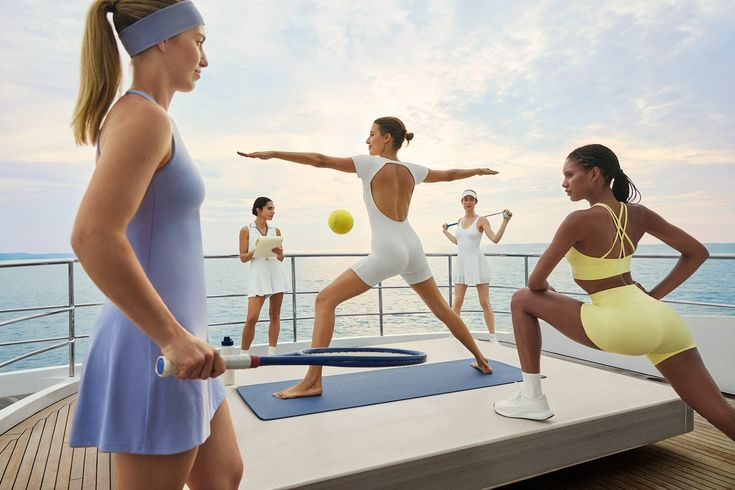
Part of why high-performance water sports products have had relatively small markets is they require such high skill—a product like a wingfoil can help grow the market, introducing people to these sports in an easier context.
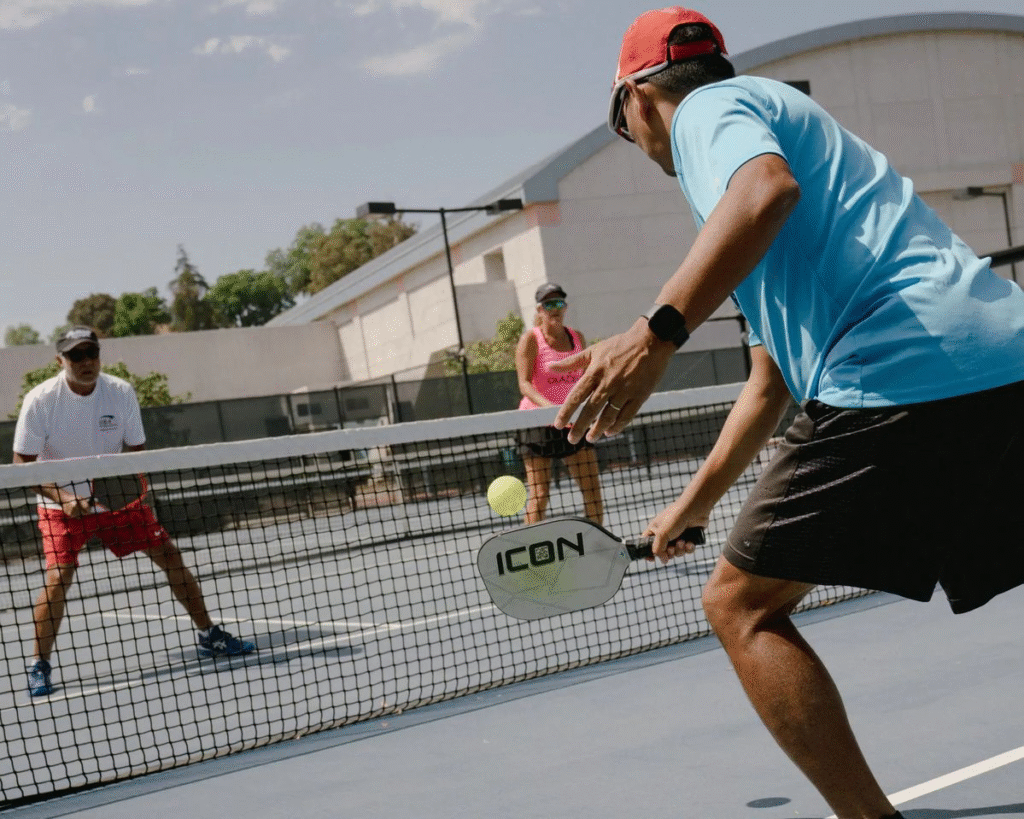
Windfoiling, a variant of windsurfing, is similar to pickleball–the fastest growing sport in the US– in the sense that by lowering a game’s difficulty to play, the market can be significantly grown.
Pickleball doesn’t offer a big edge to people who are at a particular level of fitness or experience. Wingfoiling also benefits from having a larger available market than kitesurfing; since it needs less wind, there are more beaches where it can work and more days when it’s an option, making it a rising star among outdoor sports trends.
Athletes take greater control of commercial identity
Athletes are increasingly building independent commercial platforms that extend beyond traditional sponsorship arrangements. New tools, such as those offered by Grandstand, enable direct fan engagement, content creation and personalized commerce, allowing athletes to monetize their followings on their own terms.
The inception of platforms like Grandstand reflects a wider shift toward athlete-owned media strategy and data control. Athletes are building media companies, launching investment funds and monetizing their intellectual property independently. When a footballer can generate seven figures annually from their personal brand without club involvement, traditional sponsorship structures built on collective bargaining lose leverage.
As the balance between institutional control and individual ownership continues to shift gradually towards the athlete, organizations must prepare to negotiate for access to their own players’ commercial rights, a reversal that would have been unthinkable a decade ago.
Athletes take greater control of commercial identity
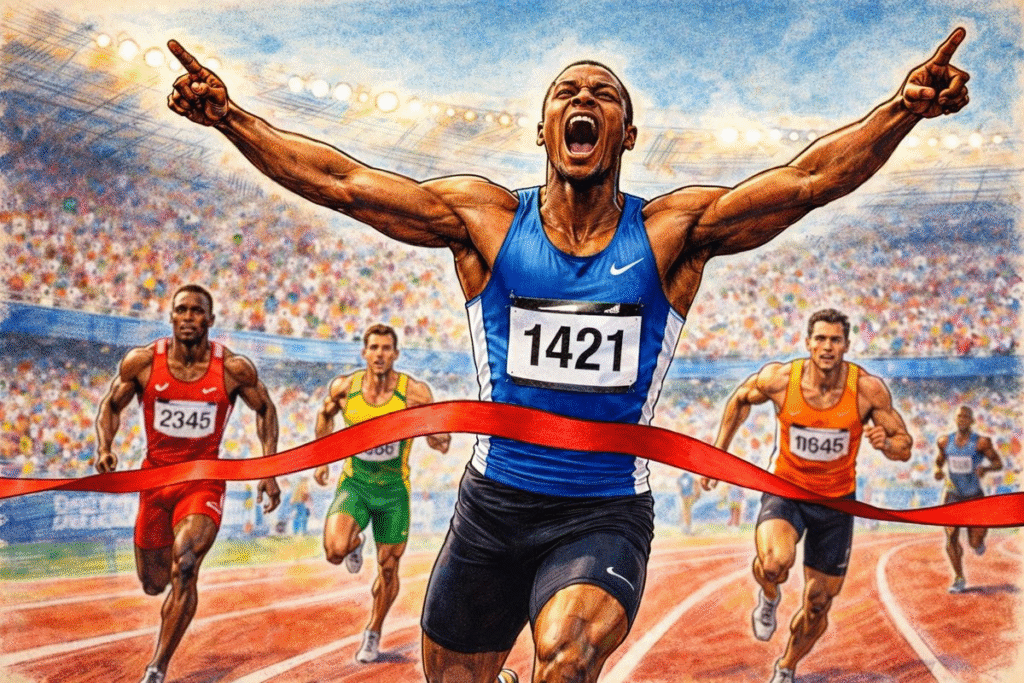
Athletes are increasingly building independent commercial platforms that extend beyond traditional sponsorship arrangements. New tools,enable direct fan engagement, content creation and personalized commerce, allowing athletes to monetize their followings on their own terms.
The inception of platforms like Grandstand reflects a wider shift toward athlete-owned media strategy and data control. Athletes are building media companies, launching investment funds and monetizing their intellectual property independently. When a footballer can generate seven figures annually from their personal brand without club involvement, traditional sponsorship structures built on collective bargaining lose leverage.
As the balance between institutional control and individual ownership continues to shift gradually towards the athlete, organizations must prepare to negotiate for access to their own players’ commercial rights, a reversal that would have been unthinkable a decade ago.
Athletes take greater control of commercial identity
Athletes are increasingly building independent commercial platforms that extend beyond traditional sponsorship arrangements. New tools enable direct fan engagement, content creation and personalized commerce, allowing athletes to monetize their followings on their own terms.
The inception of platforms like Grandstand reflects a wider shift toward athlete-owned media strategy and data control. Athletes are building media companies, launching investment funds and monetizing their intellectual property independently. When a footballer can generate seven figures annually from their personal brand without club involvement, traditional sponsorship structures built on collective bargaining lose leverage.
As the balance between institutional control and individual ownership continues to shift gradually towards the athlete, organizations must prepare to negotiate for access to their own players’ commercial rights, a reversal that would have been unthinkable a decade ago.