

Right from driving habits to routine maintenance, several factors influence a car’s mileage. Poor driving habits, like aggressive acceleration, sudden braking, and frequent short trips, can significantly reduce fuel efficiency by pushing the engine outside its optimal performance range. This is why regular maintenance, such as replacing air filters, checking engine oil, and maintaining proper tyre pressure, is extremely crucial. These components play a key role; for example, clean air filters and fresh engine oil reduce friction, while properly inflated tyres minimise resistance, all these help to improve mileage.
Road and traffic conditions also impact mileage. Heavy traffic that causes constant stopping and starting forces the engine to use more fuel, and bumpy roads make it difficult to maintain a steady speed. While government-rated mileage figures from ARAI provide a general benchmark, real-world mileage can vary due to factors like driving style, traffic, and terrain.
Still searching for how to improve car mileage ? Let us look at some easy tips to get the most out of your car’s mileage:
HOW TO IMPROVE CAR MILEAGE?
- Keep tyre Pressure in Check: Low tyre pressure increases friction, which uses more fuel. Check the tyre pressure regularly to make sure it is at the recommended level.
- Follow a Regular Maintenance Schedule: Routine check-ups, like replacing the air filter and checking engine oil, keep the car running efficiently, which helps with mileage.
- Drive Smoothly: Avoid quick acceleration and hard braking. Consistent driving keeps the engine operating more efficiently and saves fuel.
- Reduce Extra Weight: Try to carry only necessary items in your car, as additional weight can make the engine work harder and use more fuel.
- Use Air Conditioning Wisely: Using the AC too much can lower mileage, especially in hot weather. For shorter trips, consider rolling down the windows instead.
- Plan Routes to Avoid Traffic: Using GPS apps to find less crowded routes and travelling during off-peak hours can reduce fuel wastage in heavy traffic.
Hope this blogs has provided additional inputs on how to improve car mileage . In the modern era of automobiles and motoring, technology also offers ways to track fuel efficiency . Mileage tracking apps and in-car monitors can show fuel use over time, helping you adjust driving habits to improve efficiency. Many cars now also come with eco-driving modes that optimise settings to save fuel.
Improving fuel efficiency is not just about saving money, it is also a choice that benefits the environment. It is also important to have a that covers the larger damage to any vehicle which can impact the vehicle performance and mileage. By following these simple tips and making small changes to driving habits, car owners can enjoy better mileage and contribute to a greener future.
Most Indian car owners lose 15–30% of their fuel efficiency not because of a mechanical problem – but because of habits they don’t realise are costing them. Things like running the AC on recirculation mode, filling up at any pump, or shifting gears a thousand RPM too late add up to thousands of rupees a year in wasted fuel.
This guide covers 10 practical tips to improve car mileage on Indian roads – adjusted for city traffic, monsoon conditions, and petrol, diesel, and CNG cars specifically. Each tip includes what to do, how much you can realistically save, and what the trade-off i
Adopt Smooth Driving Habits
Driving has a lot to do with mileage. Soft acceleration and braking save on fuel: do not stand on the gas pedal. Rather, accelerate gradually and predict halts to roll down instead of bang the brakes. Keep the speed constant as far as possible; generally cars are most effective in 50-80km/h. In urban traffic, minimize stops and starts by reading traffic. On highways, the throttle may be held constant (with cruise control) to prevent overspeeding.
- Action steps: Accelerate gradually, shift to higher gears quickly, and avoid tailgating (which causes rapid braking).
- Savings estimates: A smooth style will save 10-30% of fuel.
- Safety: It is actually safer to have smoother driving, but this can also slightly increase the time of travelling. (To simulate soft inputs, drivers of automatics may apply Eco/Normal modes.)
Check and Maintain Tyres
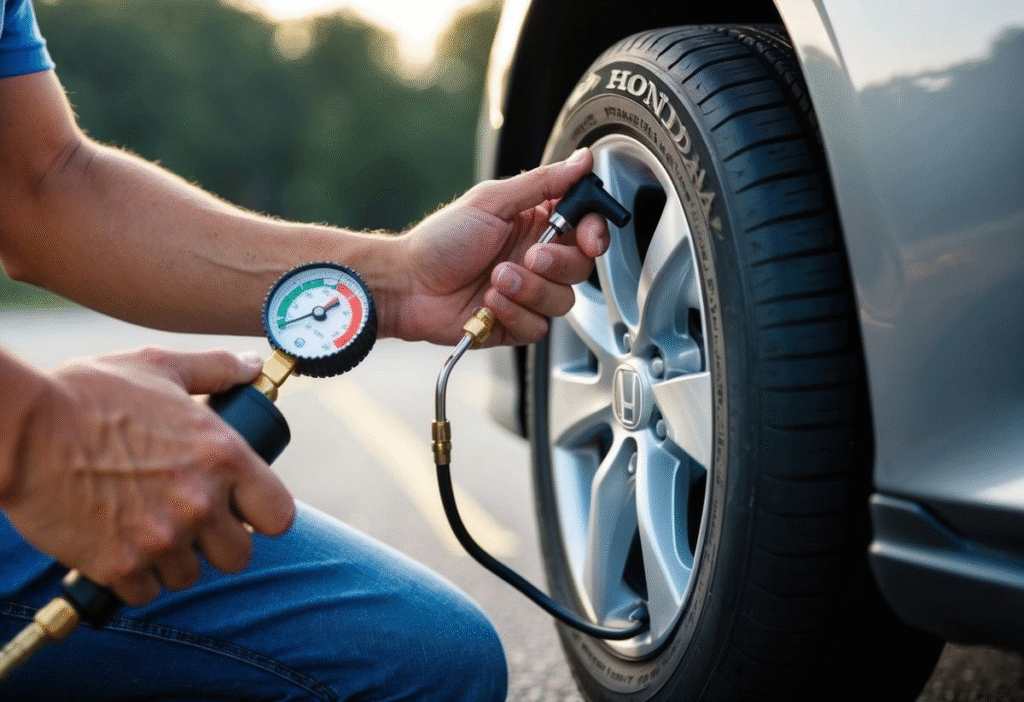
Tyres need to be inflated properly and in good condition. Reduced tyre pressure raises rolling resistance and reduces mileage. Monitor tyre pressure (when cold) every week and inflate to the recommended PSI (written on the door/frame of the car). Proper alignment and balancing are also important: misalignment causes tyres to scrub sideways, and this is a waste of energy.
- Action steps: Check pressure gauges at every fill up of fuel. During heavy monsoon, 2-3 points of PSI can be lost; hence, monitor more frequently. Change tyres when treads are worn (less than 2mm tread depth) because worn tyres lose their grip and performance.
- Savings estimates: Correct pressure/alignment can increase mileage by 2-4%.
- Trade off: Insignificant effort; repairing alignment incurs little service cost yet can be a good investment.
- Note: CNG cars are usually heavier in terms of tanks, and therefore, even more regard should be given to tyre care in cars of this type.
Lighten the Load and Reduce Drag
The additional weight and wind drag decelerate the car. Take out all the unnecessary (heavy luggage, tools) in the car when not in use. Each kg of weight approximately reduces the mileage by 1-2 percent. Also, clean up your car: take off roof racks or bike racks unless needed, to enhance aerodynamic drag. Fuel economy can be reduced by 2-5 percent with a roof cargo box.
- Action steps: Empty the boot or remove empty roof racks after every trip. It is possible to consider smaller wheels (stock size) instead of larger aftermarket alloys to maintain a low rolling resistance.
- Savings estimates: Removing a roof rack improves mileage by 2–5%. Every 25 kg of unnecessary weight removed adds approximately 1% to fuel efficiency.
- Trade-off: You will need to move things on your own or take racks back on. Do not make any modifications that increase the weight or bulky body kits.
Efficiency Through Mild Hybrid Systems and Cylinder Deactivation
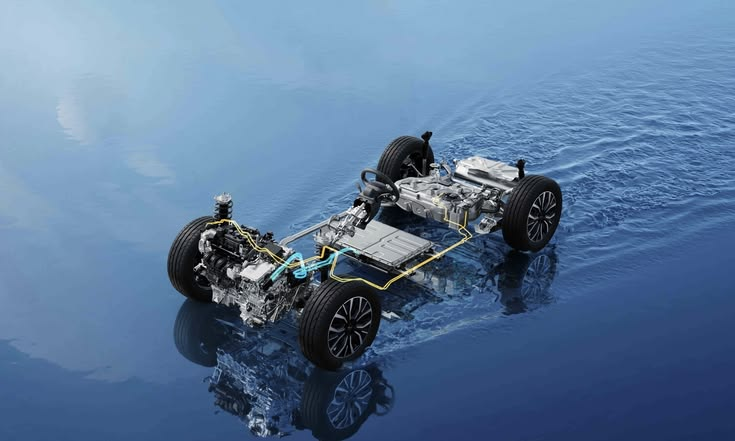
Integrated Starter Generator (ISG) systems, called Mild Hybrid (MH) technology, are now common. These systems assist the engine during acceleration by using stored electrical energy. By reducing engine load, they improve fuel economy in city traffic. This tech provides a practical bridge for drivers who want better mileage.
Cylinder Deactivation (CD) is a smart feature found in modern multi-cylinder engines. It shuts off fuel supply to specific cylinders when the vehicle is cruising. This effectively turns a powerful engine into a smaller, more efficient one. The transition is usually seamless, and drivers feel no power loss.
Engine Control Units and Transmission Tuning for Mileage The Engine Control Unit (ECU) acts as the car brain to manage fuel injection precisely. Modern cars use transmission tuning to keep the engine in its most efficient range. Dedicated Idle Stop-Start (ISS) systems cut the engine at signals to prevent wastage. These elements work together to ensure maximum output.
Choosing a car with these features ensures long-term savings for every Indian owner. While driving habits remain important, modern technology provides a safety net for efficiency. As manufacturers continue to innovate, these silent assistants will play a larger role. Investing in the right technology today leads to a greener journey tomorrow.
Shift Gears Wisely (Manual vs Automatic)
Leverage apps and dashboard tools to monitor and save fuel. There are fuel tracking apps (like Fuelio or Roadtrip) that log every fill up and calculate real mileage. Use them to spot sudden drops (which might mean an issue). Some cars display real time MPG or “eco” bars; learn to interpret them and adjust driving. Navigation apps can also suggest fuel saving routes or alert to fuel stations.
- Action steps: Download a fuel log app and note every refill; use Google Maps’ eco friendly route feature.
- Estimated benefit: Knowing your consumption motivates fuel efficient habits. Plus, technology helps implement other tips (like route planning).
- Effort/Cost: Minimal (apps are often free, though some car features may require higher trims).
Drive at the Best Speed
Driving speed is essential when it comes to ways to save fuel. Steady speed (between 50-65 km/hr) is the best speed for mileage. Rapid acceleration and hard braking decrease fuel efficiency.
- Tip: Use cruise control on highways to maintain a constant speed and increase car mileage while driving.
Use Quality Fuel & Lubricants
Using high-quality fuel boosts the car’s overall performance along with fuel efficiency. Premium fuel contains additives to clean the engine, resulting in smoother functioning and better mileage.
Choose high-performance lubricants. It reduces engine friction and contributes to significant fuel savings.
Increase Fuel Efficiency: Save Money & Reduce Carbon
Understanding why fuel efficiency is important is more than just saving money. Reducing our carbon footprint and conserving resources are also key goals. By reducing car fuel consumption, you not only benefit personally but also contribute to a healthier environment. Start today by applying these tips and watch your fuel savings grow.