

We often view our daily morning routine as a series of mindless, automated tasks. Wake up, splash water on your face, drag a toothbrush across your teeth while staring blankly into the mirror, grab coffee, and run out the door. But if you pause for a second and think about it, your mouth is essentially the primary doorway to your entire physical and emotional life.
It is how we nourish our bodies, how we express our deepest joy through laughter, and how we articulate our wildest ideas to the world. Yet, so many of us treat oral hygiene as a minor cosmetic chore—something we do just so our breath doesn’t smell like morning coffee, rather than a crucial pillar of human health.
When you neglect what’s going on inside your mouth, the consequences rarely stay confined to your teeth. A nagging toothache doesn’t just hurt; it ruins your mood, drains your patience, steals your focus at work, and turns a simple family dinner into a painful ordeal. The simple truth is that a healthy mouth isn’t a luxury or an aesthetic bonus—it is fundamentally intertwined with how we experience life, connect with nature, and nurture our body’s interconnected systems.
How Your Mouth Communicates with the Rest of Your Body
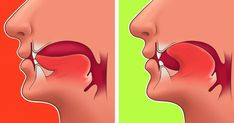
It is easy to fall into the trap of thinking our body parts exist in isolated siloes. You have your heart doing its thing, your lungs breathing in the morning air, your stomach digesting lunch, and your mouth just sitting up top, doing its own separate job. Nature, however, doesn’t work in isolation—everything in our biology is deeply connected.
       [ Oral Bacteria & Inflammation ]
                      │
     ┌────────────────┼────────────────┐
     ▼                ▼                ▼
[ Cardiovascular ] [ Blood Sugar ]  [ Respiratory ]
  Artery Health     Control & Diabetes Respiratory Tract
The Cardiovascular Connection
Think of your mouth as a rich, living ecosystem—not unlike the soil in a forest floor. It thrives when balanced, but when bad bacteria multiply and cause chronic gum inflammation (gingivitis or periodontitis), that balance shatters. Those microscopic invaders can slip directly into your bloodstream through delicate, bleeding gum tissue. Once inside, they travel throughout your circulatory system, triggering systemic inflammation that can inflame your arteries and raise the risk of cardiovascular events like heart attacks and strokes.
The Diabetes Feedback Loop
The relationship between oral health and diabetes is a surprisingly intense two-way street. Severe gum infections make it significantly harder for the body to regulate blood sugar levels, causing frustrating spikes that leave people feeling exhausted. Conversely, high blood sugar creates an ideal breeding ground for oral bacteria, making gum disease far more aggressive. It becomes a vicious cycle that requires deliberate care to break.
Respiratory Protection and Pregnancy Wellness
Every breath you take carries air past your mouth and down into your lungs. If your mouth is harboring heavy bacterial growth, those tiny organisms can be micro-aspirated into the respiratory tract, potentially causing or worsening lung infections like pneumonia, especially in older adults. Furthermore, research consistently shows a startling link between chronic gum disease in pregnant women and complications like pre-term labor and low birth weight. Taking care of your gums during pregnancy isn’t just self-care—it is a mother’s first quiet act of nurturing her child.
Nature’s Ecosystem: Understanding World Oral Health Day
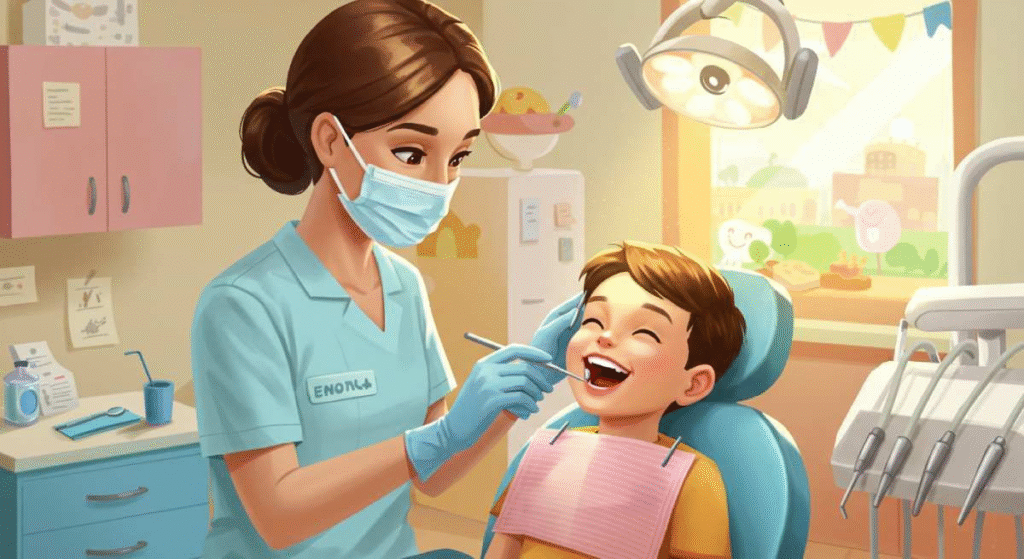
Human beings have an extraordinary gift: our capacity for collective empathy and shared purpose.
That is precisely why initiatives like , celebrated globally every carry such immense emotional and practical weight.Organized by the FDI World Dental Federation, this day is not merely another date stamped on a calendar—
it is a global pause button. It invites us to reflect on how a simple, healthy smile can elevate human life across every culture, age group, and walk of life.
Why March 20th?
The chosen date is actually a clever, nature-inspired mathematical mirror of human biology:
- Senior Goal: Healthy seniors should ideally retain 20 natural teeth at the end of their life journey to maintain proper chewing function and vitality.
- Childhood Milestone: Children naturally develop 20 primary (baby) teeth, which lay the groundwork for a lifetime of speech, nutrition, and jaw development.
- Adult Standard: Healthy adults need a full set of natural, well-maintained teeth (excluding wisdom teeth, ideally 32, or at least 20 functional teeth) to live comfortably.
20 Primary Teeth (Childhood) ──► 20+ Functional Teeth (Adulthood & Senior Years)
The 2026 Vision: “A Happy Mouth is a Happy Life”
The theme for 2026, “A Happy Mouth is a Happy Life,” cuts right to the heart of human psychology. Think about what happens when you feel self-conscious about your teeth—whether they are discolored, damaged, or missing. You start covering your mouth when you laugh. You shy away from candid family photos. You hesitate to speak up in meetings.
A “happy mouth” isn’t about achieving a hyper-fake, airbrushed Hollywood perfection; it’s about having the physical comfort and quiet confidence to eat a crisp apple, savor a home-cooked meal, talk naturally with friends, and smile openly at a stranger without a second thought.
Mindful Habits for a Lifetime of Oral Wellness
Taking care of your teeth doesn’t require complex rituals, expensive gadgetry, or hours of your day. Nature thrives on gentle consistency, and so do your teeth and gums. By grounding yourself in a few intentional daily habits, you can protect your smile for decades to come.
      [ Daily Consistency ]
     ┌───────────┼───────────┐
     ▼           ▼           ▼
[ Gentle ]   [ Floss ]   [ Hydrate ]
 Brushing     Daily       & Diet
1. Brushing with Intention (Not Aggression)
Most people brush their teeth as if they are scrubbing a dirty kitchen floor. They rush, press down far too hard, and saw back and forth. This aggressive scrubbing actually wears down your precious tooth enamel and forces your gums to recede over time.
Instead, view brushing as a gentle massager for your mouth. Angle a soft-bristled brush at 45 degrees toward your gum line and use light, small circular motions. Do this for a full two minutes twice a day with a fluoride toothpaste. Fluoride acts as nature’s armor, helping remineralize microscopic weak spots in your enamel before they turn into full-blown cavities.
2. The Unsung Magic of Flossing
If you only brush, you are essentially cleaning only about 60% of your teeth’s total surface area. Leaving the remaining 40% untouched allows trapped food particles and plaque to ferment quietly in the dark spaces between your teeth. Making flossing a non-negotiable daily ritual—preferably right before bed—slides away that hidden plaque, keeping your gums calm, pink, and firm instead of red, swollen, and prone to bleeding.
3. Cleaning Your Tongue and Freshening Breath
A surprising amount of bad breath doesn’t come from your teeth at all; it originates on the rough surface of your tongue, where dead cells and bacteria settle like fallen leaves on a garden bed. Gently scraping or brushing your tongue every morning takes just five seconds, but it significantly lightens your oral bacterial load and leaves your mouth feeling genuinely fresh.
4. Nourishing Your Enamel from the Inside Out
What you put into your body plays a massive role in how well your teeth hold up.
- Watch the Constant Sipping: Bacteria in your mouth feed on sugars and carbs, producing acids that erode enamel for about 20 minutes after every single bite or sip. Continuously sipping on sugary sodas, sweetened coffees, or acidic juices keeps your teeth bathed in an endless “acid bath.”
- Hydrate with Plain Water: Drinking plenty of fresh water throughout the day washes away loose debris and stimulates the production of natural saliva. Saliva is your mouth’s built-in defense fluid, packed with natural enzymes and minerals that buffer acids and protect enamel.
- Embrace Fresh, Whole Foods: Crunching on raw vegetables like carrots and celery naturally stimulates your gums and cleans tooth surfaces, while calcium-rich foods like leafy greens, almonds, and dairy reinforce bone structure.
Restoring Balance: Common Dental Treatments Explained
Even with the best intentions, life happens. Wear and tear, genetics, or a period of neglected care can lead to dental problems. The beauty of modern dentistry is that it focuses heavily on preserving as much of your natural, living tooth structure as possible.
| Treatment | What It Accomplishes | Why It Matters for Human Comfort |
| Dental Fillings | Removes localized tooth decay and fills the void with composite resin. | Stops cavity progression instantly, restoring structural integrity so you can chew without sensitivity. |
| Scaling & Root Planing | A deep cleaning procedure that removes hardened plaque (tartar) beneath the gum line. | Gives inflamed gums a clean slate to reattach to the tooth root, effectively halting periodontal disease. |
| Root Canal Therapy | Cleans out infected tissue deep inside the tooth’s inner pulp and seals the canal. | Eliminates agonizing tooth pain while saving your real tooth from needing an extraction. |
| Crowns & Bridges | Custom-fitted caps or appliances that protect cracked teeth or replace missing ones. | Restores natural chewing power, protects weakened teeth from shattering, and keeps surrounding teeth aligned. |
| Orthodontics | Uses subtle aligners or traditional braces to move misaligned teeth into harmony. | Straightens crowded teeth, making them far easier to clean and preventing uneven wear on your jaw joints. |
A Simple Way to Spread Awareness

Improving global oral health isn’t a task meant solely for dentists—it is a human endeavor that starts in our homes, schools, and local communities.Start at Home: Turn brushing into a fun, musical 2-minute bonding ritual for your children rather than a bedtime battle.
Support Local Initiatives: Check if local clinics or community centers are offering free screening camps on March 20th and encourage friends, aging parents, or neighbors to attend.
Share Knowledge Thoughtfully: Talk openly about dental care, demystifying fears around dental visits and encouraging loved ones to prioritize preventive care over emergency fixes.
Reclaiming Your Daily Wellness
At the end of the day, taking care of your mouth is an act of deep self-respect. It is about recognizing that your body is a delicate, unified system that deserves thoughtful, daily care.
As we look toward 2026 and beyond, let’s stop treating oral hygiene as a mindless chore. Take a few extra moments in front of the mirror tonight. Brush thoughtfully, floss gently, drink a glass of pure water, and appreciate everything your smile does for you. Because when your mouth is healthy and comfortable, living fully, laughing openly, and connecting with the world around you becomes effortless.