
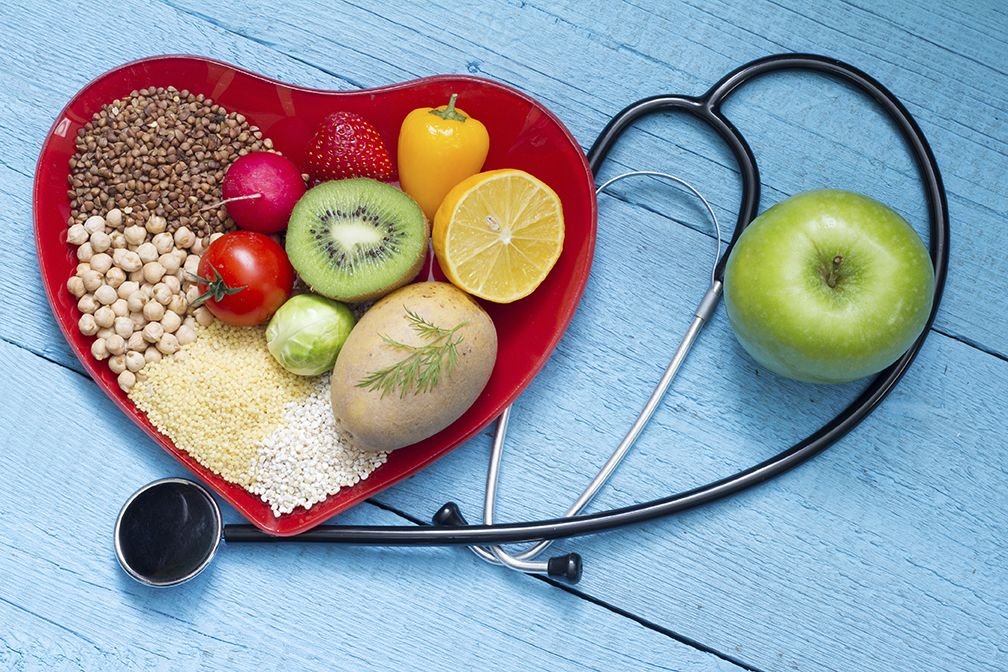
Heart-healthy eating involves choosing certain foods, such as fruits and vegetables, while limiting others, such as saturated fats and added sugars.
What is a heart-healthy diet?
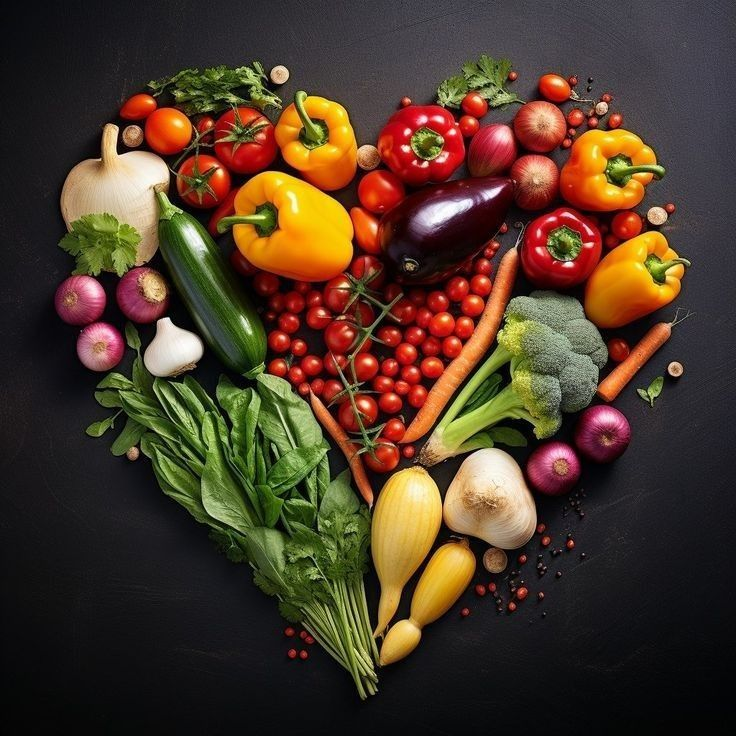
Studies have revealed two things: foods that are riskier for your heart and foods that strengthen it. Fortunately, you’re not about to get hit with a bunch of curveballs.
The best foods for heart health are ones you probably already think of as healthy. Similarly, the not-so-heart-healthy foods are probably already on your radar for not doing your body any favors.
Before we dive in here, let’s say: everything in moderation. Unless you already know you have a heart healthy issues. you don’t need to cut out any foods or make drastic changes. We’re not saying you can never have another piece of bacon or crack open another soda.
Instead, being mindful of what a heart-healthy diet looks like can help you incorporate more of those foods into your meals.
Now, let’s talk details. According to the AHA and Department of Health, a heart-healthy diet is rich in:
- Produce
- Lean proteins
- Fiber-rich complex carbs
- Healthy fats
A diet full of colorful fruits and vegetables, whole grains and and fats will give your body the, vitamins and minerals it needs to support a healthy heart.
Can what you eat really limit heart disease?
Diet certainly isn’t the only factor for heart disease risk, but what you eat is something you directly control. You hold the power. “The choices you make every time you’re in the kitchen can make a big difference for your heart,” emphasizes Zumpano.
Many of the foods mentioned are pillars of the an eating plan that focuses on plant-based foods and healthy fats. The diet is considered the gold standard when it comes to heart health.
So, with all of that said, where can you start making changes? Think small, suggests Zumpano. Try working in one or two heart-healthy items a week as you make meals. A few simple swaps ― like subbing an apple for a cookie at snack time ― can bring positive changes over time.
“We eat multiple times every day,” she notes. “That gives us a lot of opportunity to help our hearts.”
Eat a Heart-Healthy Diet
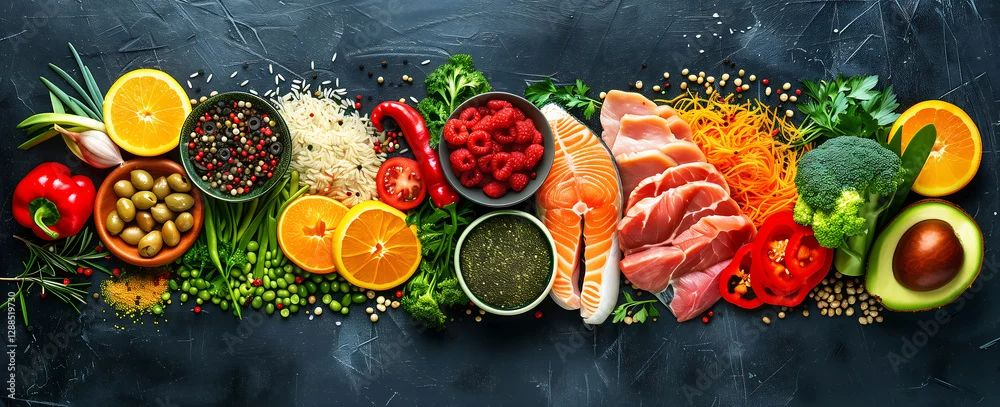
What you eat directly affects your blood pressure, inflammation, cholesterol and weight – all of which play a central role in heart health. A heart-healthy diet is more flexible than many people realize. Rather than strict rules, think about patterns that support long-term wellness.
Aim for:
- Plenty of fruits and vegetables
- High-fiber whole grains
- Lean proteins such as fish, poultry, beans and legumes
- Healthy fats from nuts, seeds, avocados and olive oil
Limit:
- Processed foods high in salt, sugar and saturated fats
- Red and processed meats
- High-sugar snacks and beverages
The Mediterranean diet remains one of the most recommended approaches for maintaining optimal cardiovascular health because it emphasizes whole foods, plant-forward meals and healthy diet.
The best foods for your heart health

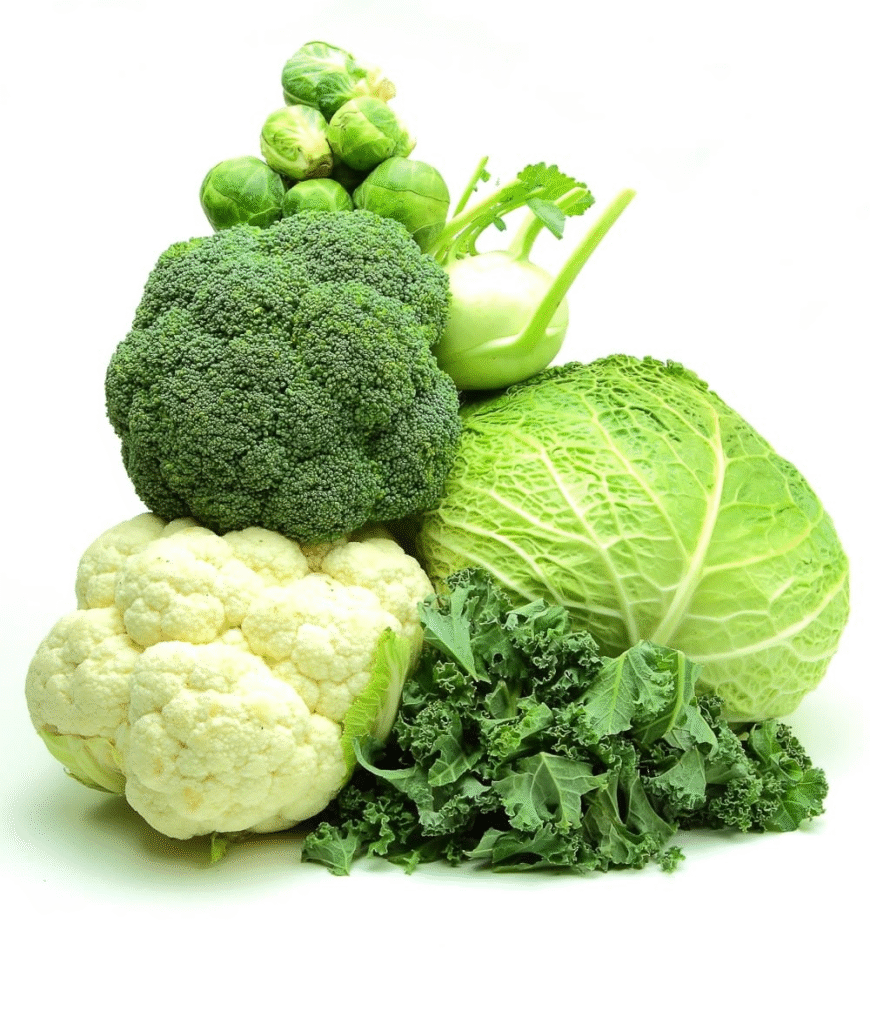
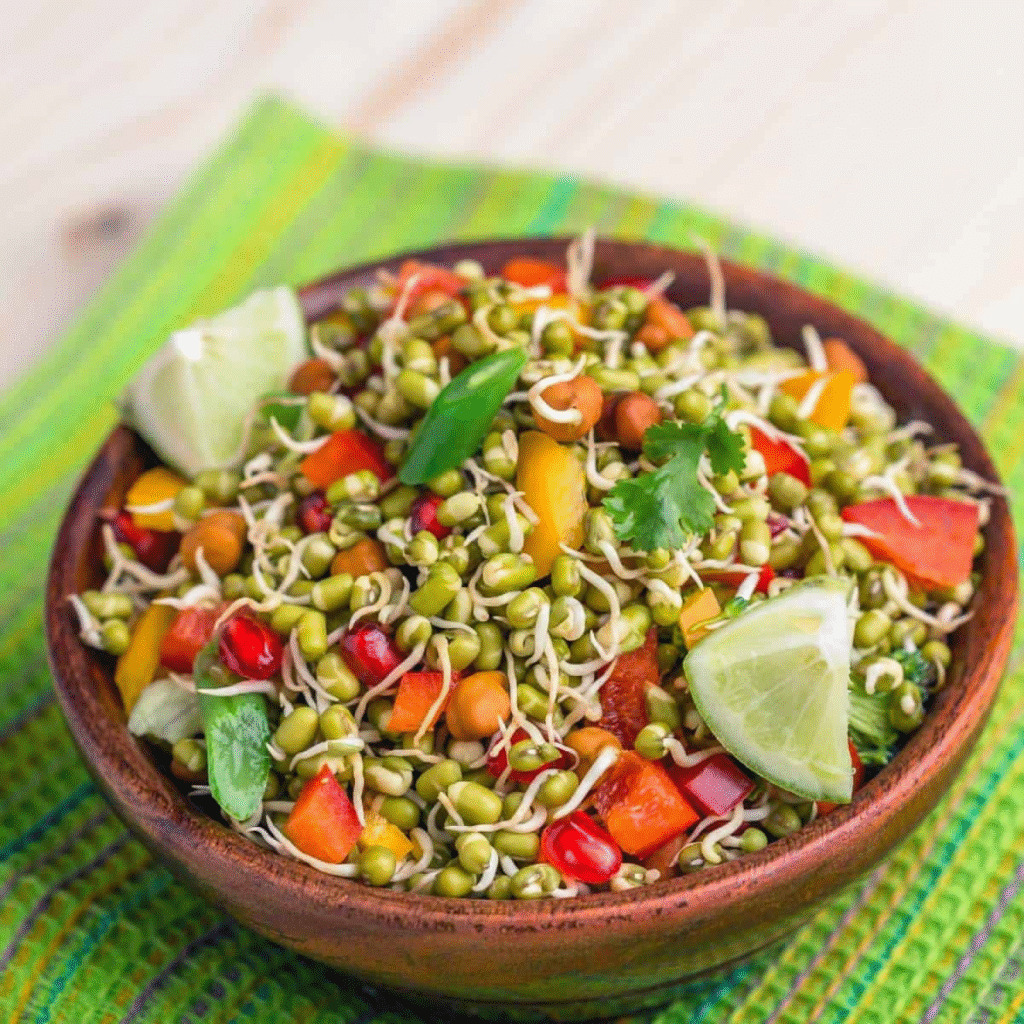
If you want to feel good about what your next grocery trip will do for your heart health, you can grab items in these specific categories.
1. Fruits and vegetables
Remember the food pyramid from back in the day? It was on to something. Your body benefits from eating quite a bit of produce.
That’s because veggies and fruit are loaded with a lot of nutritional density per bite. Bananas and sweet potatoes deliver potassium, a key mineral for heart health. Cruciferous veggies may help prevent clogged arteries. Leafy greens deliver fiber, which can help lower cholesterol and blood pressure.
Long story short, the more produce you’re packing in, the better. And if fresh produce doesn’t work for your budget or your lifestyle, don’t worry. You can get plenty of nutritional benefits from frozen, dried and canned options. Just make sure they’re marked low-sodium.
2. Whole grains
Not all carbs are bad. Refined carbs like the ones in white bread fly through your body, usually doing you more harm than good. But complex carbohydrates, like the ones you’ll find in whole grain products, deliver fiber, which we’ve already mentioned as a heart health booster.
Plus, they often come packed with vitamins and minerals like iron, selenium, thiamin (vitamin B1), riboflavin (vitamin B2), niacin (vitamin B3), folate (vitamin B9) and magnesium. If you’re looking for a heart-healthy diet, choose products that have whole grains in their ingredient list. Plus, complex carbs can also be found in beans, potatoes, peas and corn.
Heart-Check foods
The American Heart Association has certified certain foods for heart health and given them the Heart-Check seal, which you can find on some food packaging. Once you learn that seal, it can make it easier to stock your cart with foods for heart health.
For the best results, pair your heart-healthy diet with other heart health boosters like regular exercise, sleep and stress management techniques. It can also be helpful to learn your blood type and what it means for your risk of specific cardiovascular conditions.
Healthy fats
You might think that fat spells heart trouble, but it’s all about the type of fat. While trans and saturated fats have been linked to cardiovascular issues in numerous studies, your body, including your heart, needs healthy fats. You can get these from fish, nuts and seeds, along with avocados and moderate amounts of plant oils like:
Lean and plant protein
While certain proteins — like red and processed meat — can be hard on your heart, others top the list of foods for heart health. The key here is to look for plant-based protein, lean animal proteins and fish. Experts recommend mixing up your protein sources. So you have plenty of options, stock up on: